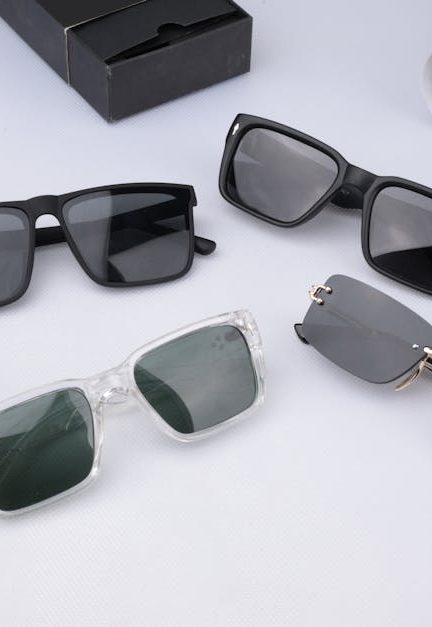
It happens every spring. The sun gets brighter, the days get longer, and suddenly, everyone remembers they need sunglasses. But if you’re anything like I used to be, you grab whatever looks decent for $20 at a gas station or a fast-fashion store. I’ve been there. I’ve cycled through countless pairs of “disposable” shades, thinking I was saving money. What I learned the hard way, through years of eye strain and broken frames, is that cheap sunglasses are a false economy. They’re bad for your eyes, bad for your wallet long-term, and honestly, they just don’t feel good to wear. I’m here to tell you what I’ve discovered after dedicating years to finding the frames that genuinely perform, look fantastic, and stand the test of time.
Don’t Buy Cheap Sunglasses, Ever. Here’s Why.
Look, I get the appeal of a $15 pair of shades. You lose them, you break them, no big deal, right? Wrong. This mindset is what landed me with headaches, constant squinting, and frames that bent out of shape after a single drop. My biggest takeaway from all my years trying out different eyewear is this: invest in your sunglasses. It’s not just about aesthetics; it’s about eye health and comfort. You wear these things right on your face, protecting one of your most vital senses. Why would you skimp?
The biggest issue with cheap sunglasses isn’t just that they break easily. It’s the “lenses.” Often, these are just tinted plastic that might block some visible light but do almost nothing for harmful UV rays. In fact, wearing dark, non-UV-protective lenses can be worse than wearing nothing at all. Your pupils dilate behind the dark tint, letting in even more unchecked UV radiation. That’s a recipe for cataracts, macular degeneration, and a whole host of other nasty eye problems down the line. I once had a pair that gave me a dull ache behind my eyes every time I wore them for more than an hour. It took me too long to realize it was the poor optical quality.
The Hidden Cost of Poor Lens Quality
Beyond the lack of UV protection, cheap lenses often have terrible optical clarity. They can distort your vision, causing eye fatigue and headaches. You might not even realize it’s happening because you’re so used to it. The world just looks a little “off.” There might be tiny imperfections in the lens material, or the tint might be uneven. These aren’t just minor annoyances; they force your eyes to work harder to compensate, leading to strain. I can tell you from experience, switching to a pair with high-quality lenses was like upgrading from a blurry old TV to a crystal-clear 4K display. The difference is immediate and profound. My eyes feel relaxed, even after hours in bright sun.
Why Flimsy Frames Are a Waste of Money
Then there are the frames themselves. Cheap sunglasses use low-grade plastic or thin, brittle metal. The hinges are usually flimsy screws that loosen quickly or cheap plastic connectors that snap. I’ve had arms break clean off, lenses pop out, and frames twist into unwearable shapes. It’s frustrating to spend $15-20 on something that lasts a month, maybe two. Over a year, you’ve spent $60-100 on multiple pairs of junk when you could have put that money towards one really good pair that lasts for years. It’s not just about looks; it’s about structural integrity. A good pair of sunglasses feels solid, sits comfortably, and can take a beating from daily life.
Face Shape First: Finding Your Perfect Frame

Before you even think about brands or lens types, you need to understand your face shape. This is a for finding sunglasses that actually flatter you instead of just sitting on your face. I spent years buying trendy frames only to realize they looked ridiculous on me. Once I started paying attention to my face shape, everything clicked. It’s not a hard science, but there are some general rules that act as excellent starting points. Grab a mirror, pull your hair back, and trace the outline of your face with lipstick or a dry-erase marker. You’ll likely fall into one of these common categories.
Round Faces: Angles and Structure Are Key
If your face is roughly equal in length and width, with soft, curved features and a rounded jawline, you have a round face. The goal here is to add definition and angles. I always recommend square or rectangular frames for round faces. Think Wayfarer styles, or slightly oversized geometric shapes. Aviators can work if they have a stronger, more angular top bar. Avoid round or overly soft frames, as they’ll just exaggerate the roundness. A pair of classic Ray-Ban Wayfarers, with their distinct angles, often look fantastic on someone with a round face.
Square Faces: Soften with Curves
A square face is characterized by a strong, angular jawline, a broad forehead, and roughly equal length and width. Here, you want to soften those sharp angles. I usually steer people towards round, oval, or cat-eye frames. Aviators with their teardrop shape are also a great choice. These softer shapes help to balance the strong lines of your jaw and forehead. Avoid anything too angular or boxy, as it will make your face appear even more square. Think classic Ray-Ban Aviators or a more modern rounded frame from a brand like Warby Parker for a softened look.
Oval Faces: Nearly Anything Goes
Consider yourself lucky if you have an oval face! This shape is longer than it is wide, with a gently curved jawline and a forehead slightly wider than the chin. It’s considered the most balanced face shape, meaning almost any frame style will look good on you. You can experiment with bold, oversized frames, sleek aviators, classic Wayfarers, or trendy round shapes. My advice is to choose frames that are as wide as the broadest part of your face to maintain that natural balance. Don’t be afraid to try something adventurous here.
The Lenses That Matter: Polarization, UV, and Brands I Trust
Once you’ve got the frame shape down, it’s time to talk lenses. This is where the real protection and visual comfort comes from. I’ve worn sunglasses for everything from driving cross-country to fishing on a bright lake, and I can tell you, not all lenses are created equal. The two big factors are UV protection and polarization. You absolutely, unequivocally need 100% UV protection – labeled as UV400 or 100% UVA/UVB protection. This isn’t optional; it’s essential for eye health. Beyond that, polarization is a choice, but it’s one I almost always make.
Polarized vs. Non-Polarized: When to Choose Which
Polarized lenses have a special filter that blocks intense reflected light, reducing glare. This is a for driving, being near water, or in snowy environments. The difference is stark: with polarized lenses, you can see clearly into water or through a car windshield without blinding reflections. Non-polarized lenses simply darken your vision. They reduce overall brightness but don’t eliminate glare. While I mostly wear polarized lenses, there are times you might want non-polarized, like if you frequently look at LCD screens (car dashboards, phone screens) which can appear distorted or blacked out with polarized lenses. However, for sheer outdoor comfort and clarity, polarized wins every time for me.
Beyond the Label: Brands Delivering Real Lens Quality
Some brands simply do lenses better. After trying countless pairs, I’ve developed clear preferences. Maui Jim is my absolute top pick for lens clarity and glare reduction, especially for bright conditions. Their patented PolarizedPlus2® technology is incredible; colors pop, and the world looks incredibly crisp. Expect to pay around $250-$350 for a pair, but they’re worth every penny for the visual experience. Oakley also produces excellent lenses, particularly their Prizm™ technology, which enhances specific colors and contrasts for different environments (like road, golf, or water). Their sport-focused lenses are phenomenal, typically ranging from $150-$250. For a classic, versatile lens, I still appreciate the G-15 lens found in many Ray-Ban models (around $150-$200), offering natural color perception and solid UV protection. Lastly, I’ve found Persol lenses to be very high quality, often featuring tempered glass for superior scratch resistance and clarity, though they come with a higher price tag of $250-$400.
| Feature | Polarized Lenses | Non-Polarized Lenses |
|---|---|---|
| Glare Reduction | Excellent (blocks horizontal glare from water, roads, snow) | Minimal (reduces overall brightness, but not glare) |
| Clarity | High, especially when eliminating glare; colors can appear more vibrant | High, natural color perception; can be better for viewing LCD screens |
| Use Cases | Driving, boating, fishing, skiing, beach activities | General wear, fashion, pilots (can interfere with cockpit displays) |
| Price | Usually higher (adds advanced filtering technology) | Usually lower (basic tinting) |
My Unbeatable Everyday Pair

If I had to pick just one pair of sunglasses to live with for the rest of my life, it would be a classic pair of Ray-Ban Wayfarers with polarized G-15 lenses. They are stylish enough for any outfit, rugged enough for daily abuse, and the lenses are consistently excellent. The timeless design means they’ll never go out of fashion, and the robust acetate frame just feels substantial and well-made.
Frame Materials: What Actually Holds Up to Life

The frame material is crucial for durability, comfort, and how long your sunglasses will truly last. I’ve seen frames snap, bend, and corrode, and it almost always comes down to the material. Cheap plastic sunglasses feel flimsy and break with minimal force. A good frame, however, feels substantial and can flex without snapping. There are a few key materials that have proven their worth to me over the years.
When I pick up a pair of sunglasses, I immediately assess the weight and flexibility of the frame. Does it feel cheap and brittle? Or does it have a satisfying heft and a slight give? This initial tactile assessment tells you a lot. A well-constructed frame, regardless of material, should feel like it was made to last, with smooth finishes and sturdy hinges. Don’t underestimate the importance of hinge quality; many otherwise decent frames fail at this critical stress point.
Acetate: The Classic, With Caveats
Acetate is a plant-based plastic often used in higher-end plastic frames. It’s not just “plastic”; it’s a much more robust and premium material. It can be layered in different colors, polished to a high sheen, and is surprisingly strong. My Ray-Ban Wayfarers and Persol frames are made of acetate, and they feel incredibly solid. Acetate frames are also hypoallergenic. The downside? They can be a bit heavier than some other materials, and if left in extreme heat (like on a car dashboard), they can warp. However, they can also be adjusted by an optician with heat for a custom fit. A good acetate frame, like those from Persol (often around $300+), feels luxurious and durable.
Metal Frames: Sleek, But Choose Wisely
Metal frames offer a sleek, often minimalist look. But not all metals are created equal. Cheap metal frames made of nickel or low-grade alloys can corrode, cause skin irritation, and bend out of shape easily. I’ve seen countless pairs where the finish peels or the temples snap off. My preference is for titanium or high-quality stainless steel. Titanium is incredibly lightweight, strong, and corrosion-resistant. Stainless steel is also durable and hypoallergenic. Look for frames with well-machined hinges and sturdy construction. Carrera offers some great metal frames in the $100-$150 range that hold up surprisingly well for the price, and of course, Ray-Ban Aviators are iconic for their metal construction (around $150-$200).
High-Performance Nylon: The Sporty Choice
For active wear, like running or cycling, high-performance nylon or similar polymer blends are excellent. These materials are incredibly lightweight, flexible, and resistant to extreme temperatures. They’re also often less prone to breaking on impact than acetate or metal. Oakley is a master of this, using materials like O Matter™ for their sport frames. They can be incredibly durable and comfortable for extended wear. If you’re looking for something that can take a beating and stay put on your face during physical activity, this is the material to go for. Expect to pay around $150-$200 for a quality pair.
The single most important takeaway? Buy quality sunglasses once, not cheap ones repeatedly.