If you are tired of your arches hitting the pavement with every stride, I have found that the Brooks Adrenaline GTS 23 is the single most reliable shoe for flat feet right now. I have spent years trying to find a pair that doesn’t leave my shins screaming after three miles, and these are the ones I keep coming back to. They don’t use those old-school, rock-hard plastic posts in the middle of the shoe. Instead, they use something called GuideRails, which feel more like bumpers on a bowling alley. They only kick in when your foot starts to roll too far inward, otherwise, they stay out of the way. It is a much more natural sensation than feeling like you have a brick glued to your arch.
Which running shoe is actually the best for flat feet?
When you have flat feet, your foot likely overpronates. That is just a fancy way of saying your ankle rolls inward because there is no arch to catch your weight. For a long time, the industry answer was to make shoes incredibly stiff. I remember buying pairs ten years ago that felt like wearing clogs. Thankfully, the tech has moved on. The Brooks Adrenaline GTS 23 (approx. $140) is currently the gold standard for a reason. It balances weight and support better than almost anything else on the market. The upper is a breathable engineered mesh that actually looks decent with a pair of joggers, which is a rare win for stability shoes.
The ASICS Gel-Kayano 30 (approx. $160) is the other heavyweight in this category. If the Brooks is the nimble daily driver, the Kayano is the luxury SUV. It has a much wider base, which provides a massive amount of inherent stability. When I first put these on, I noticed the 4D Guidance System right away. It uses a softer foam under the arch that actually snaps back into place faster than the surrounding foam. This helps your foot transition from heel to toe without that awkward ‘clunk’ that flat-footed runners usually deal with. A pro is the incredible PureGEL technology in the heel which absorbs shock like a dream. A con? They can feel a bit warm on hot summer days because the padding is so thick.
I also have to mention the New Balance Fresh Foam X 860v13 (approx. $140). This is the shoe for people who hate the feeling of ‘techy’ running shoes. It feels much more like a traditional sneaker. The medial post is there—a firmer piece of foam on the inner side—but it is blended so well into the Fresh Foam X midsole that you barely feel the transition. It is remarkably consistent. If you are shopping at retailers like JD Sports or looking for deals on ASOS, these are often the ones that come in the best colorways, making them a solid choice if you plan on wearing them for both a 5k and a coffee run.
How to tell if you need stability or motion control shoes

Before you drop $150 on a pair of sneakers, you need to know what kind of ‘flat’ you are. Not all flat feet are created equal. Some people have ‘flexible’ flat feet, where an arch appears when you lift your foot off the ground. Others have ‘rigid’ flat feet, where it stays flat no matter what. I found out the hard way that if you have rigid flat feet, a super aggressive stability shoe can actually cause more pain because it tries to force an arch where there isn’t one. You want a shoe that supports your alignment, not one that tries to perform surgery on your skeleton.
The easiest way to check is the wet footprint test. Wet your foot, step on a piece of cardboard, and look at the mark. If the print looks like a solid blob with no curve on the inside, you are a prime candidate for stability shoes. If you see a slight curve, you might just need a ‘neutral plus’ shoe—something with a wider base but less corrective hardware. Most people I talk to who complain about foot pain are actually wearing shoes that are too narrow. Flat feet tend to spread out under weight. If your shoe is too thin, your foot spills over the side of the midsole, and no amount of stability tech can fix that.
Motion control shoes are the heavy-duty version of stability shoes. These are for severe overpronators. Think of them as the corrective lenses of the footwear world. They are usually heavier, stiffer, and have a very straight shape (called a ‘last’). Unless a physical therapist has specifically told you that you need motion control, I usually suggest sticking to the stability category. Modern stability shoes like the Saucony Guide 16 offer enough support for 90% of flat-footed runners without the extra weight and stiffness of a full motion control model.
Comparing the top 5 stability shoes for fallen arches
To make this easier, I have broken down the specs for the most common shoes I have tested. When you are looking at these, pay attention to the ‘drop.’ That is the height difference between the heel and the toe. For flat feet, a higher drop (10mm-12mm) can sometimes take the pressure off your Achilles tendon, which often gets tight when your arches collapse.
| Model | Support Level | Weight (Men’s 9) | Heel Drop | Best For |
|---|---|---|---|---|
| Brooks Adrenaline GTS 23 | Moderate Stability | 10.1 oz | 12mm | Daily road miles |
| ASICS Gel-Kayano 30 | Max Stability | 10.7 oz | 10mm | Long distance/Recovery |
| New Balance 860v13 | Moderate Stability | 10.9 oz | 10mm | Durability/Style |
| Hoka Arahi 6 | Dynamic Stability | 9.3 oz | 5mm | Lightweight feel |
| Saucony Guide 16 | Light/Moderate | 9.5 oz | 8mm | Faster tempos |
The Hoka Arahi 6 (approx. $140) is the outlier here. It uses a J-Frame—a hook-shaped piece of firmer foam that wraps around the heel and the inside of the foot. It is incredibly light for a stability shoe. If you find the Brooks or ASICS too ‘clunky,’ the Hoka is a breath of fresh air. However, it has a lower 5mm drop. If you have calf issues or a history of plantar fasciitis, that lower drop might feel a bit aggressive at first. It is a pro for weight-conscious runners, but a con for those who need that extra heel lift to protect their tendons.
Why cushioning alone won’t solve your flat feet pain
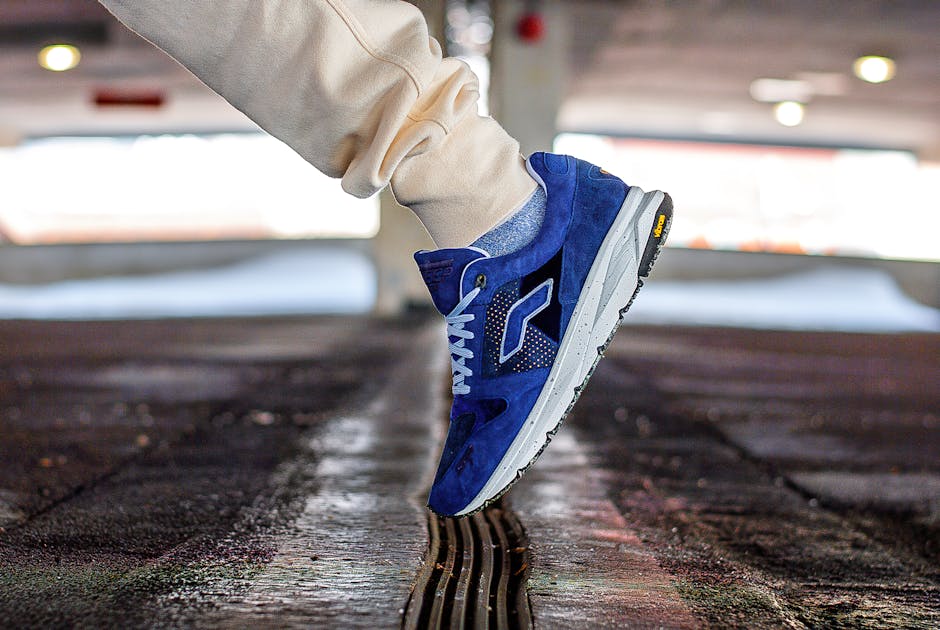
There is a common misconception that if your feet hurt, you just need ‘softer’ shoes. I used to think the same thing. I bought the squishiest, most pillow-like shoes I could find, and my feet felt worse than ever. Here is why: when you have flat feet, your joints are already moving more than they should. If you put that foot on top of a super soft, unstable marshmallow of a midsole, your foot has to work even harder to find a stable platform. It is like trying to run on a waterbed. You need structured cushioning.
The goal is to find a shoe that is firm enough to support your weight but soft enough to absorb impact. This is where the ‘medial post’ or ‘support frame’ comes in. It acts like a foundation for your foot. A shoe like the Saucony Guide 16 (approx. $140) does this well. It uses PWRRUN foam, which is noticeably firmer than the foam you will find in a neutral shoe like the Saucony Triumph. That firmness is intentional. It keeps your foot from sinking inward and prevents that ‘rolling’ motion that leads to shin splints and knee pain.
Stability isn’t about stopping your foot from moving; it’s about keeping that movement within a safe range. Don’t mistake stiffness for support, and don’t mistake softness for comfort.
If you find a shoe you love but it still feels a bit ‘off,’ don’t be afraid to swap the factory insoles. Most running shoes come with a generic piece of foam that provides zero arch support. Adding a semi-rigid orthotic can turn a decent shoe into a perfect one. I have found that even high-end brands like Nike or New Balance assume you’ll either have a ‘normal’ arch or use your own inserts. Just make sure you take the original insole out first, or you will end up with no room for your toes.
How long should your stability running shoes actually last?
This is the part that hurts your wallet, but it is non-negotiable. Stability shoes have a shelf life. The foams used to create that support—especially the firmer medial posts—break down over time. Most experts say 300 to 500 miles, but for flat-footed runners, I find the 350-mile mark is usually the limit. Because we put so much pressure on the inner side of the shoe, we compress the foam unevenly. Once that support foam is crushed, the shoe might still look brand new on the outside, but it is effectively a neutral shoe on the inside.
You can check this by putting your shoes on a flat table and looking at them from behind. If the shoes are tilting inward toward each other, the stability is gone. That is your sign to head to a retailer like JD Sports or check the latest drops on the Nike site. Another sign is ‘new’ pains. If your knees start aching on a route that usually feels fine, your shoes are likely dead. I try to rotate two pairs of shoes—usually a pair of Brooks Adrenaline for daily runs and something like the ASICS Kayano for longer efforts. This gives the foam time to decompress between runs, which can actually extend the life of the shoes by about 10-15%.
Also, stop wearing your running shoes to the gym or the grocery store if you want them to last. Every mile you walk in them is a mile taken away from their life as a supportive running tool. I know they are comfortable, and some of the newer designs from New Balance actually look great with jeans, but try to keep your ‘performance’ pair strictly for the pavement. If you love the feel, buy a second pair in a different colorway for your casual wear when the first pair goes on sale.
Where to buy specialized running shoes for the best price
Buying running shoes can feel like a massive investment, but there are ways to play the system. First, never buy the ‘new’ model the week it launches unless you absolutely have to. When the Brooks Adrenaline GTS 24 comes out, the GTS 23 (which is still an incredible shoe) will immediately drop in price at major retailers. You can often find them for under $100 if you aren’t picky about the color. JD Sports and ASOS are great for this, as they often have clearance cycles that align with the major brand releases.
If you are shopping online, pay attention to the width options. One of the biggest perks of brands like New Balance and Brooks is that they offer Wide (2E) and Extra Wide (4E) versions of their stability shoes. Flat feet are almost always wider than average because the arch collapse pushes the midfoot outward. If you buy a ‘Standard’ width shoe and it feels tight across the top of your foot, you are going to get blisters and hot spots. I always go up a half size in my running shoes compared to my dress shoes, and I almost always opt for the Wide version. It gives your toes room to splay out when you hit the ground, which is much more comfortable over long distances.
Finally, check the return policies. Places like the Nike store or specialized running retailers often have a 30-day ‘run in them’ guarantee. This is vital for flat-footed runners. You won’t know if a shoe works for your arches until you have done at least five miles in them. A shoe that feels ‘supportive’ in the store can feel like a torture device by mile four. Don’t be afraid to take advantage of those policies. Finding the right pair is a bit of a trial-and-error process, but once you find that perfect match—like I did with the Adrenaline—it changes everything about how you feel when you head out the door.