Of the forty-odd trends that defined early 2000s fashion, roughly a dozen have survived the revival without looking like a themed party. Six years into the Y2K comeback — it gained serious traction around 2026-2026 — there is enough evidence now to identify what holds up across seasons and what was always trend noise. This breakdown covers the pieces with genuine staying power, the brands worth spending money at, and the one styling error that collapses the entire aesthetic into costume territory.
The Y2K Clothes That Actually Translate to Daily Wear
The revival has split into two distinct categories: pieces that were genuinely good garments which happened to fall out of fashion, and pieces that were purely of-the-moment novelties. The first category is worth investing in. The second is not. The difference usually shows up within six months of purchase — either the piece integrates into regular rotation, or it sits unworn because the styling window is too narrow.
Low-Rise Denim: The Front Rise Numbers That Matter
Low-rise denim is the anchor piece of Y2K fashion, and the difference between a wearable pair and a costume prop comes down to one measurement: front rise. The 8-to-10-inch range is where practical low-rise lives. Below 7 inches, you are looking at garments that work in specific, narrow contexts and fail everywhere else.
The Levi’s 517 bootcut (around $70-$90) appears consistently in current Y2K styling references because the slightly flared leg balances the low waist — it does not read as purely nostalgic, just as a clean silhouette. Miss Sixty relaunched in 2026 after years of dormancy, restoring their original archive cuts at €90-€130. These are the actual 2000s silhouettes, not modern interpretations, and the difference shows in how they sit on the hip compared to a contemporary brand doing a Y2K-inspired cut.
Fabric weight matters more than most buyers realize. Thin stretch denim in a low rise sags and loses shape within a few hours. Mid-weight, semi-rigid denim holds the silhouette across a full day. If a pair stretches more than roughly 8% when you pull the waistband, the fabric is too thin for the cut to hold. That is the quick in-store test worth doing before committing to a purchase.
One proportion note that rarely gets mentioned: low-rise works best with a slightly longer torso or with cropped tops. A standard-length tee over low-rise denim usually creates a proportioning problem that styling alone does not solve.
Baby Tees and Velour: The One-Texture Rule
Baby tees are the most accessible Y2K entry point. Ribbed cotton, crop length hitting 1-2 inches above the natural waist, fitted without being compression-tight. The mistake most buyers make is going too short — the ultra-crop that exposed the full midriff in 2002 reads more costume than current in 2026. Urban Outfitters and Brandy Melville both stock the right length at $18-$35.
The Juicy Couture velour tracksuit — relaunched and currently retailing at around $90 for the hoodie and $80 for the bottoms — works better as separates than as a full matching set in most contexts. The head-to-toe velour look has a specific, narrow use case: the beach, an airport, a social setting where everyone gets the reference. For everyday wear, the velour top worn with different-textured bottoms reads far more intentional.
Rhinestones follow a hard limit: one bedazzled item per outfit, maximum. A rhinestone top worn alongside a rhinestone bag and a rhinestone belt is three items competing for the same visual register. One carries the Y2K energy cleanly. Three together read as costume regardless of how well each individual piece fits the body.
Platform Footwear: Where to Start and Where the Ceiling Is
Steve Madden’s Troopa boot (~$120) and the Klash sneaker (~$90) are the accessible entry points for Y2K footwear. Both have enough construction quality to justify the price and both work across multiple outfit types. Buffalo London platforms run $150-$220 and give the more exaggerated, archival-correct silhouette — the 4-inch platform that was genuinely common in 2000s club fashion.
The ankle stability issue rarely gets discussed in Y2K fashion content. Platforms above 2.5 inches require more active ankle engagement than standard shoes. If you have spent recent years primarily in low-profile sneakers, start with the Steve Madden range before committing to the Buffalo 4-inch silhouette. Not a permanent barrier — just a practical starting point that saves a twisted ankle on your first wear.
Y2K Fashion Brands: A Comparative Breakdown
The market for Y2K clothing in 2026 spans fast-fashion interpretations at $15 all the way to archival vintage at $300+. Quality and daily wearability vary significantly even within individual brands. This table compares the main options on what actually matters for building a wardrobe rather than a mood board:
| Brand | Price Range | Best Purchase | Daily Wearability | Verdict |
|---|---|---|---|---|
| Urban Outfitters | $40–$150 | Low-rise cargos, baby tees | 9/10 | Best everyday Y2K entry point — consistent quality |
| Levi’s (517 / 501 low-rise) | $70–$100 | Low-rise bootcut denim | 10/10 | Best single denim investment — outlasts the trend |
| Steve Madden | $60–$200 | Platform boots, chunky sandals | 9/10 | Best quality-to-price ratio in Y2K footwear |
| ASOS Y2K Edit | $20–$80 | Denim minis, tube tops | 7/10 | High volume, inconsistent quality — check individual reviews |
| Juicy Couture | $80–$220 | Velour hoodie worn separately | 6/10 | Statement piece only — not a daily wardrobe driver |
| Nasty Gal | $30–$100 | Going-out bodycon styles | 6/10 | Works for specific occasions — limited versatility |
| Depop (vintage) | $15–$250+ | Original archive pieces | 9/10 | Best investment pieces — sizing runs 1-2 sizes small vs. current |
| Miss Sixty | €90–€130 | Archive low-rise denim | 8/10 | Best for denim specifically — limited overall range |
Two clear picks from this data: Urban Outfitters for consistent quality at accessible prices with easy returns, and Depop for archival pieces worth owning beyond the trend cycle. The ASOS Y2K Edit is worth browsing, but individual product reviews matter — two items from the same collection can differ significantly in fabric weight and construction quality.
Von Dutch warrants a direct note. The trucker hat still holds up. The full branded apparel range — the logomania tees, hoodies, and branded bottoms — reads dated at this point. If you want Von Dutch in the wardrobe, the hat is the one piece still working. Everything else from the relaunch is past its effective styling window.
The Styling Mistake That Turns Y2K Fashion Into a Costume
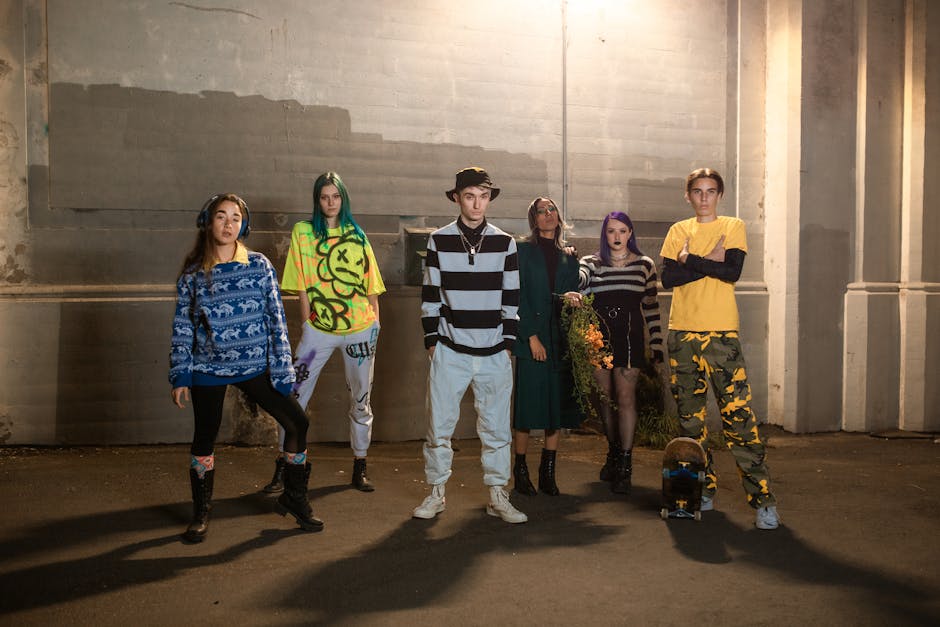
Wearing every Y2K indicator simultaneously is the one mistake that actually collapses the aesthetic. Low-rise jeans, velour crop top, trucker hat, platform boots, and a rhinestone bag worn all at once is not Y2K fashion — it is a 2003 Coachella mood board made flesh.
The rule that holds across every well-executed Y2K outfit: one era-specific anchor piece, supported by basics that could belong to any decade. Low-rise denim with a white ribbed tee and clean sneakers reads as intentional. The same denim with every 2000s signal active at once reads as themed. One strong piece. The rest: neutral. That is the entire framework.
How to Build a Y2K Wardrobe Without Starting From Zero
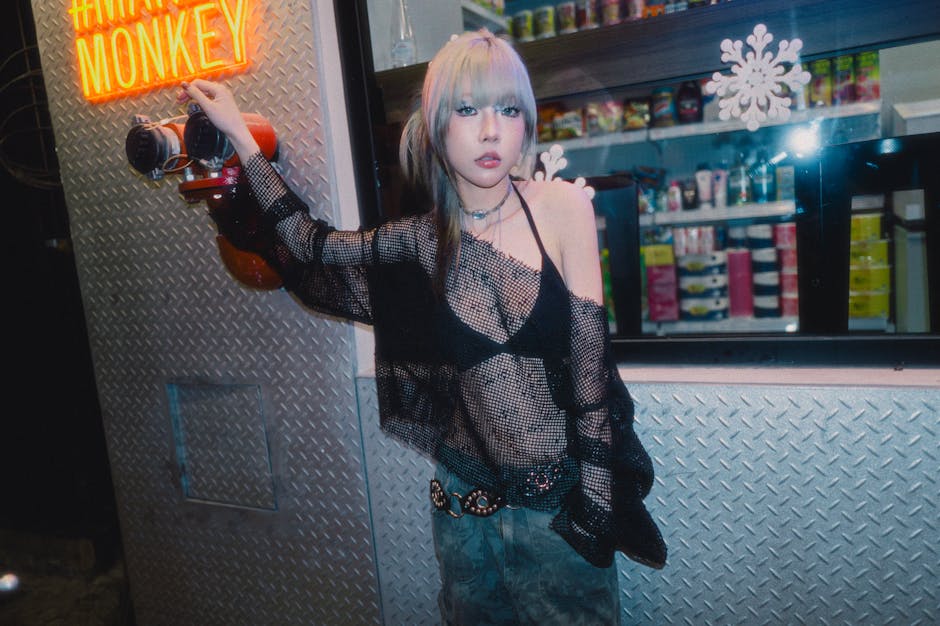
Most trend-driven wardrobe overhauls fail because they treat the trend as the starting point rather than the existing wardrobe. Y2K fashion integrates better than most revival trends because several key pieces are genuinely well-fitting basics with a specific silhouette — not novelty items that expire in a single season.
- Start with one denim piece, nothing else. A low-rise straight-leg or bootcut in dark or medium wash. This will carry 80% of the Y2K work in a wardrobe. Wear it for two weeks before buying anything else. If you reach for it regularly, proceed. If it sits unworn, the aesthetic is not actually for you — and that is a useful and cheap piece of information to have early.
- Add one texture piece you will actually wear. Not the full matching tracksuit unless you genuinely like velour. A single ribbed baby tee or a satin slip top does the same aesthetic work with far less costume risk. The test: can this piece work in three different outfit contexts? If not, skip it.
- Shoes before accessories. Platform footwear does more visual work per dollar than any Y2K accessory. One pair of chunky boots or platform sneakers anchors the aesthetic faster and more durably than butterfly clips, chain belts, and baguette bags combined.
- Buy accessories secondhand. Butterfly clips, chain belts, and small shoulder bags are where vintage and thrift markets outperform fast fashion — on quality, on not ending up with the same exact piece as everyone shopping the same collection, and on price. Depop and local thrift stores for accessories. Retail for foundational pieces.
- Avoid the capsule collection purchase. Brands release coordinated Y2K capsule collections that make it easy to buy eight matching pieces in one transaction. Do not. Each item earns its place through actual rotation, not through being part of the same editorial story. The pieces that survive are the ones you chose individually.
Vintage sizing note: original 2000s pieces on Depop and in thrift stores run 1-2 sizes smaller than contemporary sizing. A vintage label reading “Large” typically fits like a modern “Small to Medium.” Measure the garment flat — waist and hip measurements matter more than the size label.
Dickies 874 work pants ($40) worn low on the hip, or Carhartt WIP cargo trousers (~$120), give the Y2K cargo silhouette with construction quality that justifies the purchase beyond trend timing. Both have held up better than most trend analysts predicted in 2026 when the cargo revival started. These are pieces still in regular rotation three years from now regardless of where Y2K fashion goes as a trend category.
What Is Staying in Y2K Fashion and What Has Already Peaked

Six years is a long trend cycle. Long enough that sub-trends within Y2K have diverged sharply — some peaked and receded, others absorbed into mainstream wardrobes so completely they are no longer trend pieces at all. The distinction matters because buying a peaked trend in 2026 means owning a costume within twelve months.
Low-rise denim in the wearable range (8-10 inch front rise) has completed the absorption. Multiple major denim labels now carry it as a permanent silhouette option alongside mid-rise and high-rise cuts. That transition — from trend piece to standard option — is the signal that a garment has moved beyond fashion cycle risk. You can buy it now without timing concerns.
Extreme low-rise (the 6-inch front rise, the hip-bone-level waistband) is already contracting. It was always a narrow subset of the revival, and the styling constraints are severe enough that it never moved into everyday wear the way the wearable range did.
Hair accessory volume styling peaked in 2026-2026. The butterfly clip look — thirty clips worn simultaneously, the volume tutorials that dominated social media — is behind us. Single claw clips have remained because they carry actual utility completely separate from any trend identity. That is what staying power looks like.
Maximalist logomania is receding. The Y2K pieces with lasting power are defined by silhouette rather than visible branding. A well-cut low-rise trouser outlasts a heavily branded velour set in wardrobe longevity, regardless of the label on either. The aesthetic is shifting back toward shape and texture over logo saturation — which is, not coincidentally, where the most wearable part of Y2K fashion was always located.
Y2K longevity breakdown:
- High longevity — still worn in 2028: Low-rise denim (8-10 inch rise), platform boots, cargo trousers (Dickies/Carhartt WIP), ribbed baby tees, satin slip tops
- Medium longevity — window closing: Velour separates worn individually, single claw clips, Von Dutch trucker hats, baguette-style shoulder bags
- Already peaked — high costume risk: Extreme low-rise denim under 7 inch rise, butterfly clip volume styling, maximalist logomania apparel, rhinestone-everything combinations, full matching velour sets in non-specific contexts