
The most sustainable garment you will ever own is the one already hanging in your closet. If we are being honest, the fashion industry’s push toward “green” collections is often a paradox—you cannot consume your way to a healthier planet. However, when replacement is unavoidable, the most impactful choice is to invest in brands that prioritize circularity, mono-material construction, and radical supply chain transparency. After analyzing the production cycles and labor reports of dozens of retailers, it is clear that the leaders in this space are no longer just using organic cotton; they are building infrastructure for repair, resale, and garment-to-garment recycling. If you are looking for a definitive recommendation, the gold standard remains brands like Patagonia and Eileen Fisher, not because they are perfect, but because they take financial responsibility for the entire lifecycle of their products.
What defines a truly sustainable fashion brand in 2026?
Sustainability in fashion has moved far beyond the binary of “natural vs. synthetic” fibers. To accurately assess a brand’s impact, we have to look at the intersection of environmental chemistry, carbon logistics, and human rights. A brand might use 100% organic cotton, but if that cotton is processed in a facility that dumps toxic dyes into local river systems, the “organic” label is a hollow marketing tool. True sustainability requires a holistic view of the supply chain, often referred to as the Triple Bottom Line: People, Planet, and Profit. This means the brand must ensure a living wage for garment workers, minimize its ecological footprint, and maintain a business model that doesn’t rely on the constant overproduction of disposable trends.
Material innovation and the myth of recycled polyester
For years, recycled polyester (rPET) made from plastic water bottles was hailed as the savior of the industry. We now know the reality is more nuanced. While rPET reduces the demand for virgin petroleum, it often prevents those plastic bottles from being recycled back into bottles—a closed-loop system—and instead turns them into a garment that will eventually end up in a landfill. Furthermore, synthetic fabrics, recycled or not, shed microplastics during every wash cycle. Deep researchers now look for “mono-materials”—garments made from 100% of a single fiber type, such as 100% wool or 100% organic linen. These are significantly easier to recycle mechanically than poly-blends, which are nearly impossible to separate once woven together.
Supply chain transparency and labor ethics
Who made your clothes? It is a simple question with a devastatingly complex answer. Most Tier 1 brands only know their direct garment factories, but they have zero visibility into Tier 2 (fabric mills), Tier 3 (yarn spinners), or Tier 4 (raw material farms). A sustainable brand in 2026 is one that maps its entire supply chain and publishes those findings. This includes ensuring that “Fair Trade” isn’t just a badge on the website but a practiced reality where workers are paid a living wage—not just the legal minimum wage, which in many manufacturing hubs is insufficient for basic caloric and housing needs. Look for certifications like SA8000 or the Fair Labor Association (FLA) to verify these claims.
Leading ethical brands for high-quality wardrobe essentials
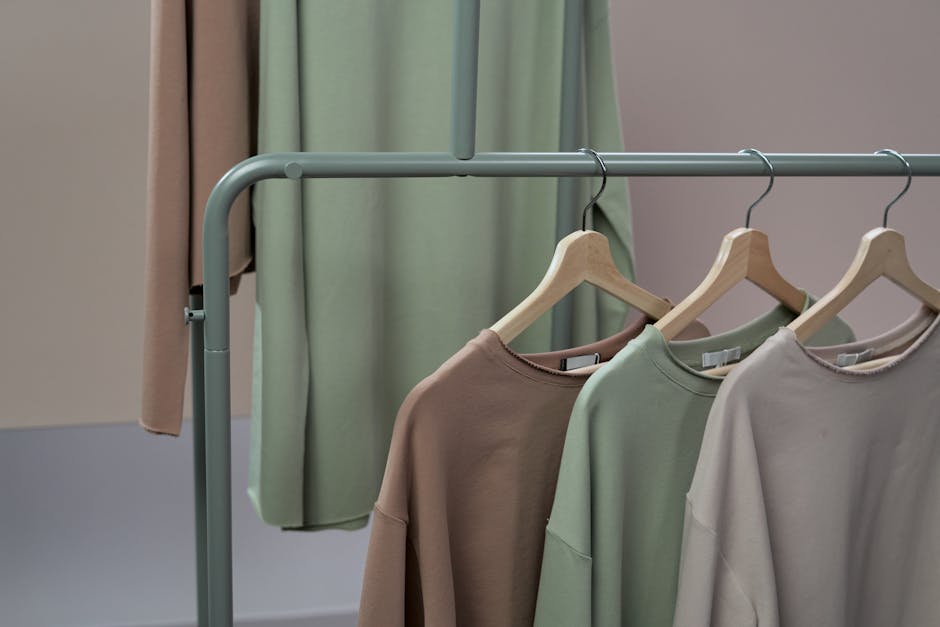
When building a sustainable wardrobe, the focus should be on longevity. The goal is to find pieces that can withstand hundreds of wash cycles without losing shape or integrity. This is where the “buy less, buy better” philosophy meets practical application. Several brands have distinguished themselves by creating high-utility basics that serve as the foundation of a capsule wardrobe. These brands often appear on major retail platforms like ASOS (within their Responsible Edit) or Farfetch, making them accessible while maintaining their ethical standards.
Patagonia: The industry benchmark
Patagonia is frequently cited in these discussions for a reason. Their commitment to the “Worn Wear” program, which encourages customers to buy used gear and offers free repairs for life, is a direct challenge to the fast-fashion model. Their Better Sweater 1/4-Zip Fleece (approx. $139) is a prime example of their approach. It is made from 100% recycled polyester dyed with a low-impact process that significantly reduces the use of dyestuffs, energy, and water compared to conventional methods.
- Pro: Exceptional durability and a robust repair-for-life policy.
- Con: As a synthetic fleece, it requires a microplastic filter bag (like a Guppyfriend) during washing to prevent fiber runoff.
Eileen Fisher: Circularity in practice
Eileen Fisher has been a B Corp since before it was trendy. Their “Renew” program is perhaps the most sophisticated take-back scheme in the industry. They take back their old garments, clean them, repair them, and resell them. For new items, their Silk Georgette Crepe Shell (approx. $198) utilizes Bluesign-certified dyes, ensuring that no harmful chemicals enter the water system during production. The silhouette is intentionally timeless, designed to be worn for decades rather than seasons.
- Pro: High-end materials and a proven commitment to circularity.
- Con: The price point is a significant barrier to entry for many consumers.
| Brand | Core Material Focus | Sustainability Highlight | Price Range |
|---|---|---|---|
| Patagonia | Recycled Synthetics / Organic Cotton | Lifetime Repair Policy | $50 – $600 |
| Eileen Fisher | Certified Silk / Organic Linen | Garment Take-back & Resale | $100 – $450 |
| Colorful Standard | Organic Cotton / Merino Wool | Zero Waste Production | $35 – $120 |
Sustainable performance gear: Outerwear and activewear
Activewear presents a unique challenge for the eco-conscious consumer. Performance fabrics almost always require synthetic fibers for stretch, moisture-wicking, and durability. You cannot easily run a marathon in a 100% hemp t-shirt without significant chafing and heavy water retention. Therefore, the search for sustainable activewear focuses on recycled content and chemical safety, specifically the elimination of PFAS (per- and polyfluoroalkyl substances), often called “forever chemicals,” which are commonly used in water-repellent coatings.
VEJA: Reimagining the sneaker supply chain
The footwear industry is notoriously dirty, involving complex glues and heavy chemical tanning. VEJA has spent nearly two decades deconstructing this process. Their V-10 Sneakers (approx. $195) use leather tanned with a reduced amount of chrome and water, or C.W.L. (a vegan alternative made from corn waste). The soles are crafted from wild rubber sourced directly from the Amazon rainforest, which provides a financial incentive for local communities to keep the trees standing rather than clearing land for cattle ranching.
- Pro: Radical transparency regarding raw material costs and labor.
Girlfriend Collective: Size-inclusive recycling
While many sustainable brands struggle with size inclusivity, Girlfriend Collective has made it a core part of their identity. Their Compressive High-Rise Legging (approx. $78) is made from 25 recycled post-consumer water bottles. They also operate a “ReGirlfriend” program where you can send back your old leggings to be upcycled into new ones, receiving a store credit in return. This creates a financial loop that encourages brand loyalty through sustainability.
- Pro: Wide size range (XXS-6XL) and high-performance compression.
- Con: The heavy compression can feel restrictive for low-impact activities like Yin yoga.
Investing in sustainable activewear requires looking at the technical specs. If a brand doesn’t explicitly state they are PFAS-free or use GRS-certified (Global Recycled Standard) materials, they likely aren’t.
Analyzing the cost-per-wear: Is ethical clothing a better financial investment?
The sticker shock of sustainable fashion is real. When you compare a $15 fast-fashion t-shirt to a $45 organic cotton version from a brand like Colorful Standard, the immediate financial impulse is to save the $30. However, a deep researcher looks at the “cost-per-wear” (CPW) metric. This is the total cost of the item divided by the number of times you actually wear it before it falls apart or is discarded. A $15 shirt that shrinks and twists after three washes has a CPW of $5. A $45 shirt that lasts for 100 wears has a CPW of $0.45. From a personal finance perspective, the cheaper item is actually the more expensive one over time.
Furthermore, the resale value of ethical brands is significantly higher. Platforms like Farfetch and various peer-to-peer marketplaces have robust sections for pre-owned Patagonia or Eileen Fisher. Because these items are built to last, they retain a percentage of their value that disposable clothing simply cannot. If you are managing your wardrobe like a portfolio, these pieces are your blue-chip stocks. They provide utility, hold value, and reduce the long-term frequency of replacement purchases. This shift in mindset—viewing clothing as a depreciating asset that requires maintenance rather than a consumable good—is the foundation of a sustainable lifestyle.
There is also the hidden cost of “externalities.” When a brand sells a shirt for $5, they aren’t actually making it for that price; they are pushing the costs onto someone else. The cost is paid by the environment through unregulated toxic runoff, or by the worker who isn’t paid enough to feed their family. When we choose to pay the “full price” for a garment, we are simply refusing to let someone else pay for our fashion choices through their health or safety. In the long run, supporting a stable, ethical supply chain is a hedge against the volatility of a global market that relies on exploitation.
Practical steps to audit your closet and identify greenwashing

Identifying a truly sustainable brand requires a healthy dose of skepticism. Greenwashing—the practice of making misleading claims about the environmental benefits of a product—is rampant. Brands often use vague terms like “natural,” “eco-friendly,” or “conscious” without providing any data to back them up. To cut through the noise, you need to look for third-party certifications. These organizations do the auditing so you don’t have to. If a brand claims to be sustainable but lacks any of these seals, they are likely just using sustainability as a marketing veneer.
Key certifications to look for
- GOTS (Global Organic Textile Standard): This is the gold standard for organic fibers. It ensures the entire supply chain, from harvesting to labeling, meets strict environmental and social criteria.
- B Corp: This certification measures a company’s entire social and environmental performance. It proves the brand is legally required to consider the impact of their decisions on workers, customers, suppliers, community, and the environment.
- OEKO-TEX Standard 100: This ensures that every component of the garment, from the thread to the buttons, has been tested for harmful substances and is safe for human health.
- Bluesign: This focuses on chemical management, ensuring that hazardous substances are eliminated from the beginning of the manufacturing process.
Beyond certifications, look for the brand’s “Impact Report.” Most legitimate sustainable brands will publish an annual document detailing their carbon emissions, water usage, and progress toward their goals. If a brand’s sustainability page is just photos of leaves and vague promises about “doing better by 2050,” it is a red flag. Real progress is measured in numbers and specific milestones. Finally, check the fabric composition. If a “sustainable” collection is still 80% virgin polyester, the brand is prioritizing profit over the planet. True change comes from a commitment to the difficult work of material science and supply chain reform, not just a change in the color of the packaging.
Ultimately, your power as a consumer lies in your ability to demand better. By choosing to support brands that are transparent about their failures and diligent in their improvements, you are voting for a future where fashion doesn’t have to come at the expense of the earth. Start small, research deeply, and remember that every garment you buy should be a piece you intend to keep for the long haul.