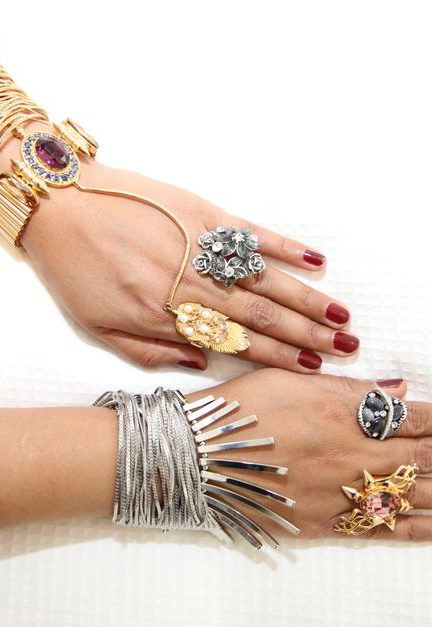
Are you standing in front of a black dress with a gold watch on one wrist and a silver ring on the other, wondering if the whole outfit looks intentional or simply unfinished? That is the real problem with mixed metals. The metals are not enemies. Random placement, mismatched scale, and competing finishes create the visual conflict.
The reliable solution is to treat accessories like a comparison analyst treats competing policies: establish the main feature, check the exclusions, and control the risk. You do not need every piece to match. You need a clear relationship between the pieces.
The safest ratio is one anchor metal and one accent
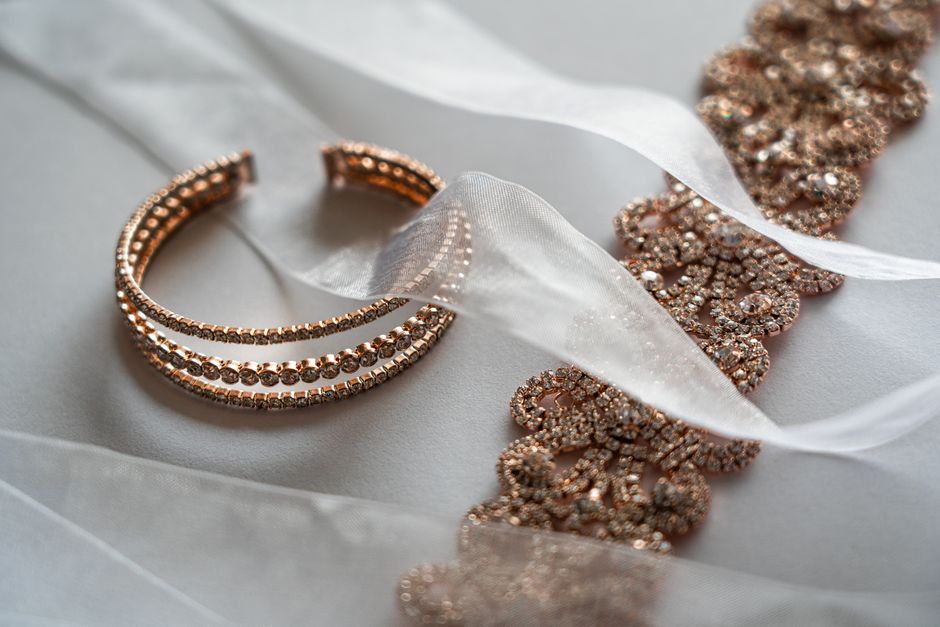
My strongest recommendation is a 70-to-30 ratio. Use one metal for about 70 percent of the visible jewelry and the other for about 30 percent. This ratio gives the outfit a lead character and a supporting detail. A 50-to-50 split can work, but it demands tighter control over finish, scale, and placement.
Metal ratios by outfit type
| Outfit situation | Anchor metal | Accent metal | Best starting ratio |
|---|---|---|---|
| Black dress or tailored suit | Silver | Gold | 70% silver, 30% gold |
| Cream knitwear or camel coat | Gold | Silver | 70% gold, 30% silver |
| Denim and white shirt | Either metal | The opposite metal | 60% to 40% |
| Patterned blouse or bold color | The quieter finish | The brighter finish | 80% to 20% |
This table is a starting point, not a law. The anchor should be the metal that already appears in the strongest accessory. If your watch has a broad silver case, let silver lead. If your belt buckle, handbag hardware, and hoop earrings are warm gold, gold should carry the outfit.
Use a bridge piece when the ratio feels forced
A bridge piece contains both metals or combines them through a repeated shape. A two-tone watch, a mixed-metal bangle, or a ring with a silver band and gold detail can prevent the outfit from looking split into two separate color groups. This is the safest purchase for someone new to mixed metals because it does the visual connecting for you.
The clear winner for a first mixed-metal experiment is a two-tone watch or slim bangle. It sits in one location, carries both colors, and gives the rest of the accessories a reference point.
Which shapes and finishes make mixed metals look intentional?
Repeat shape before you repeat color
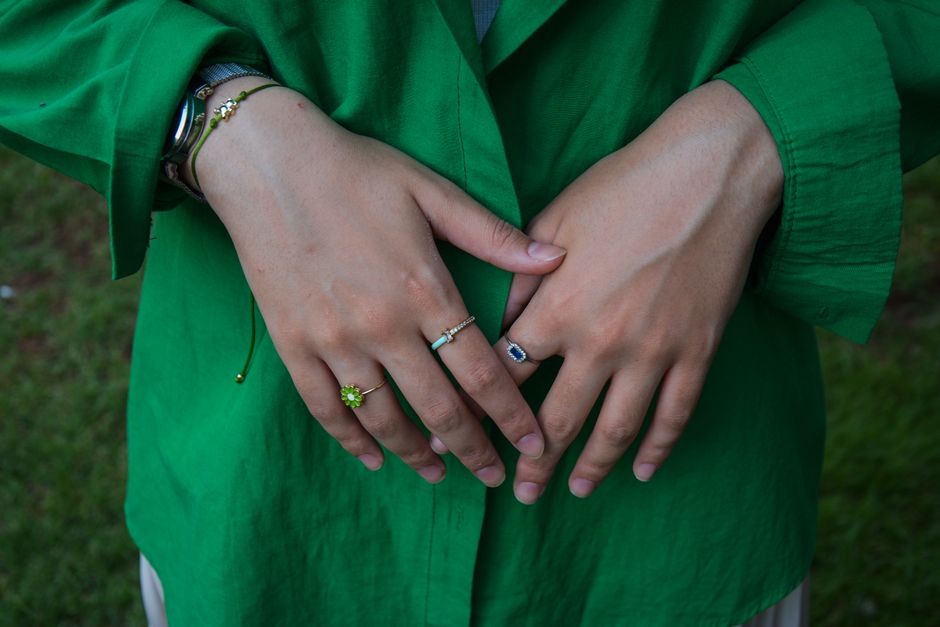
Shape gives mixed-metal styling a quiet structure. Two round forms can connect even when their metals differ: silver hoops with a gold watch face, or a gold signet ring with a silver oval pendant. Straight lines create a sharper effect. A slim silver cuff beside a rectangular gold watch looks clean with a blazer because both pieces share a tailored geometry.
Organic shapes create a softer result. A twisted gold ring, a hammered silver pendant, and a textured cuff can work with a cotton dress or relaxed denim. They do not need to be identical, but their surfaces should feel related.
Match finish when color is already doing the work
Polished gold and polished silver are the easiest pair for evening outfits because both reflect light at a similar level. Matte silver and satin gold feel more casual and work well with knitwear, denim, and leather. The risky combination is one mirror-bright piece beside a heavily oxidized piece with no shared shape or texture.
Use finish as a control point. If the colors are strongly different, keep both surfaces smooth. If the surfaces are highly textured, reduce the color contrast with muted gold, brushed silver, or a bridge piece.
Place contrast where the outfit can support it
Hands and wrists are forgiving because rings, bracelets, and watches naturally create a group. The neckline is less forgiving because mixed chains sit close to the face. Keep a necklace stack to two or three chains, and make the lengths distinct by at least 2 inches. A 16-inch silver chain and an 18-inch gold pendant will separate better than two chains that overlap at the same point.
For earrings, use one metal in both ears and bring in the second metal through a ring or necklace. Mismatching one earring in gold and one in silver can look fashion-forward, but it needs a simple outfit and a deliberate silhouette. For daily wear, the safer verdict is matching earrings with mixed-metal pieces lower on the body.
Real accessory examples worth considering first

Product examples help because metal terms can be vague. These are reference points, not endorsements or affiliate recommendations. The material, surface, and scale matter more than the logo.
Best first bridge: Cartier Trinity ring
The Cartier Trinity ring uses interlocking bands in yellow gold, white gold, and rose gold. Its defining feature is the three-metal construction, so it removes the need to invent a connection between separate pieces. It is a luxury reference rather than a low-risk starter purchase, but the design shows why repetition works: the metals share the same form and move together.
Best simple gold anchor: Mejuri Croissant Dome Hoops
The Mejuri Croissant Dome Hoops use a rounded, sculptural shape that can lead an outfit without requiring a large necklace. Choose the smaller size if you plan to add silver at the neck or wrist. Pairing a gold hoop with a slim silver chain works because the gold remains the face-level anchor while silver acts as a lower-contrast accent.
Best silver anchor: David Yurman Cable Classics
David Yurman Cable Classics are known for a twisted cable texture and sterling silver construction, with some versions adding 18-karat gold details or gemstones. The cable pattern gives the piece enough texture to hold attention. A narrow gold band can repeat the warm metal without competing with the bracelet’s main silver body.
Best everyday mixed-metal reference: Monica Vinader Riva pieces
Monica Vinader offers sterling silver and recycled-gold-vermeil pieces in streamlined shapes, including hoops, chains, and rings. The clean construction suits a 70-to-30 ratio because the pieces do not add too many competing textures. For a first purchase, choose one silver or gold vermeil item, then add the opposite metal through a small ring rather than buying a full matching set.
My buying verdict is specific: choose a two-tone or bridge piece if you want the lowest styling risk; choose one solid anchor item if you already own a collection and need more flexibility. Do not buy a large mixed-metal set just because it solves one outfit. Jewelry should work across at least three combinations before it earns a place in the budget.
When not to mix metals and how to protect valuable pieces
When a single metal is the better choice
Stay with one metal for a formal event when the dress already has strong hardware, sequins, or metallic fabric. A silver satin gown with crystal shoes may need simple silver earrings instead of a full mixed-metal stack. Use one metal for job interviews, conservative ceremonies, and outfits with several bold colors. The clear choice is restraint when the clothing already supplies the contrast.
When insurance becomes part of the decision
If a purchase is valuable, treat it as a financial decision as well as a styling decision. Review whether your renters or homeowners policy covers jewelry for theft, loss, accidental damage, and mysterious disappearance. Exclusions often matter more than the headline limit. Some policies restrict coverage for unattended items, unexplained loss, or damage from ordinary wear. State-specific coverage requirements and policy rules vary, so check the wording that applies where you live.
AM Best ratings can help you assess an insurer’s financial strength, while J.D. Power scores can provide a separate view of customer experience and claims satisfaction. Neither measure tells you whether your jewelry is fully covered. Premiums vary by state and individual factors, including the item’s value, security measures, deductible, claim history, and selected coverage. Get multiple quotes before adding a scheduled jewelry endorsement, and compare exclusions line by line.
The final decision for the black dress
Return to the opening problem: the black dress, the gold watch, and the silver ring. Keep the watch as the anchor, add one silver necklace or bracelet at a smaller scale, and repeat either the watch shape or the ring’s finish. The result no longer looks like two metals competing. It reads as one controlled accessory plan, with the gold leading and the silver providing the contrast.