
The common mistake is treating October as a cold-weather season from the moment the calendar changes. Most cool mornings do not need one heavy sweater. They need a system that can handle a 25-degree temperature swing between a chilly commute and a sunny afternoon.
The strongest capsule wardrobe layering plan uses three jobs: a breathable base, a flexible middle layer, and a shell that blocks wind or light rain. The point is not to own more clothes. It is to make a small group of pieces cover work, errands, travel, and changing weather without creating a bulky silhouette.
This guide takes a consumer-advocate view. Clothing has no AM Best rating or J.D. Power score, so claims such as premium or all-season need to be tested against fiber content, measurements, construction, and price. A useful wardrobe earns its place through repeat wear, not marketing language.
Why October layering works better than one heavy sweater
Layering exists because the body loses and gains heat faster than most wardrobes can respond. A single thick sweater traps warmth, but it gives you only two settings: warm enough or too warm. Separate layers let you adjust insulation, airflow, and weather protection during the same day.
Start with heat and moisture control
The first layer sits against your skin, so it should move moisture and avoid unnecessary bulk. Merino, cotton, silk, and technical polyester can all work, but they behave differently. Merino handles temperature shifts well and resists odor. Cotton feels comfortable in dry conditions but absorbs moisture and dries slowly. Silk is light and smooth, but it needs more care. Technical polyester dries quickly, though some people dislike its feel or odor retention.
For most October city outfits, a close-fitting shirt with a little room at the shoulder is the safest base. It should not bunch under a knit or pull across the chest. A base layer that is too tight limits movement; one that is too loose creates wrinkles that make every layer above it fit poorly.
Use the middle layer for insulation, not decoration
The middle layer traps warm air. Its thickness matters less than its relationship with the other pieces. A fine knit can sit under a jacket. A chunky cardigan needs a roomier shell. A fleece gives more warmth for its weight but looks more casual.
The best October capsule has at least one thin middle layer and one warmer option. That combination covers mild mornings, cold train platforms, and heated offices without forcing you to carry a coat all day. The underlying rule is simple: separate warmth from weather protection. A sweater can insulate, but it should not be expected to stop wind and rain.
How to build a three-layer outfit without adding bulk

Use this order every morning. The sequence is more reliable than choosing clothes by color first.
- Check the low and high temperatures. The morning low tells you how much insulation you need. The afternoon high tells you how easily the top layer must come off. Wind and rain matter as much as the temperature number.
- Choose the base by activity. For a walking commute, pick a breathable fabric and a neckline that will not show under your work top. For a short car commute, comfort and softness can matter more than fast drying.
- Add one middle layer. Select a fine sweater, cardigan, overshirt, or light fleece. Avoid pairing two thick knits unless the outer layer has enough room through the armholes and chest.
- Choose the shell last. A shell should close easily over the layers beneath it. Test the zipper while wearing the full outfit. If the fabric pulls across the back, the shell is too small, even if the shoulders look correct.
- Keep the color count narrow. Two neutrals plus one accent color create more combinations than a closet full of isolated statement pieces. Navy, charcoal, cream, olive, brown, and denim are dependable October anchors.
- Audit the exit plan. Decide where the removed layer will go. A jacket that has to be carried in one hand will get left on a chair or stuffed into a bag. Pockets, a light tote, or a packable shell are practical parts of the system.
Avoid the common bulk trap: a loose base, a thick sweater, and a fitted jacket. Each item may look fine alone, but the stack restricts the shoulders and creates folds at the waist. The better pattern is a smooth base, a moderate middle, and an outer layer with two to four inches of ease over the sweater.
Fit should also change by layer. The base can sit close. The middle layer needs movement at the elbows. The shell needs room for the middle layer without hanging so far from the body that wind enters underneath. That is the difference between three useful layers and three unrelated garments.
My firm recommendation: buy the flexible middle layer first
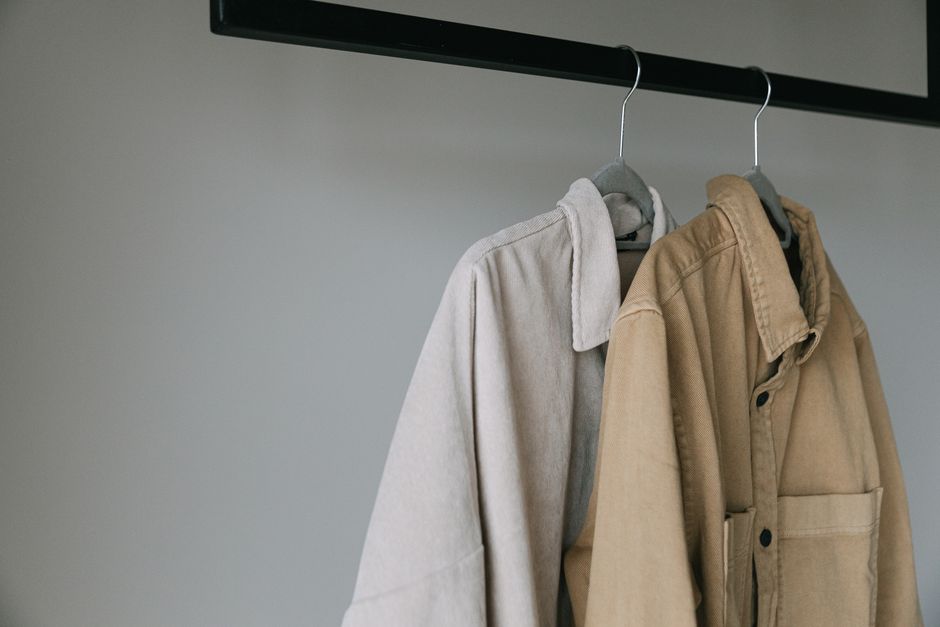
Spend the first clothing dollar on a thin merino sweater, not a dramatic coat. A versatile middle layer solves more October problems because it works indoors, under outerwear, and on its own. The expensive outer layer matters, but it cannot fix a wardrobe that has no temperature-adjustable center.
Best choice for a small work wardrobe
The Uniqlo Extra Fine Merino Crew Neck Sweater wins for a tight budget and frequent outfit changes. Buy charcoal, navy, or cream first. Those colors pair with denim, tailored trousers, skirts, and casual chinos. A second sweater should be a different texture or color, not a near-duplicate. Two thin knits usually create more useful combinations than one very thick knit and one thin knit.
If you prefer natural texture and have a larger budget, look at a fine-gauge cashmere crew from a reputable retailer, but inspect the return policy and fiber blend. A low-cost cashmere label can pill quickly and cost more per wear than durable merino. The word cashmere alone is not an AM Best-style quality rating.
When not to buy the most expensive layer
Do not buy a $398 waxed jacket if you spend most October days in heated offices, drive door to door, or live somewhere with little rain. The Barbour Beadnell is a strong shell, but it is a poor value when its weather features never get used. Choose a lighter cotton jacket or a packable synthetic layer instead.
Do not buy the Patagonia Nano Puff if your main need is a polished client-facing coat. Its insulation and packability are excellent, but the quilted technical look may not suit formal tailoring. A structured wool coat will present better, even though it weighs more and dries more slowly after rain.
Premium clothing prices vary by retailer, season, fabric blend, and individual fit. Insurance premiums vary by state and individual factors, so the same consumer habit applies across both decisions: compare multiple quotes or prices, read exclusions, and do not treat a high number as proof of better protection. In clothing, the exclusions are practical: poor fit, difficult care, weak weather resistance, and low repeat wear.
What goes wrong with October capsule wardrobes?

The most expensive mistake is not buying too little. It is buying attractive pieces that cannot work together. The following questions expose the weak points before money leaves your account.
Why do my layers feel bulky?
Usually, the base or middle layer is too loose, or the armholes of the shell are too narrow. Try the full stack in a fitting room. Raise both arms, reach forward, and zip the outer layer. If the shoulder seam strains or the hem rides up, reject the garment. Do not assume the fabric will relax enough to solve a structural fit problem.
Why am I cold even with three layers?
Check the gaps first. Wind enters through an open collar, short sleeves, exposed ankles, and a loose hem. A thin scarf, longer base layer, or weather-resistant shoe can improve comfort more than adding another sweater. The goal is not maximum fabric. It is a continuous barrier where the weather reaches the body.
Which mistakes should I avoid?
- Buying five fall colors before checking whether they match your existing trousers and shoes.
- Choosing a sweater by chest measurement alone while ignoring sleeve length and shoulder width.
- Washing merino or waxed cotton like ordinary denim. Care instructions affect useful life.
- Assuming waterproof and water-resistant mean the same thing. A waxed jacket handles light rain, but prolonged downpours require a more technical shell.
- Buying a second statement coat when the wardrobe still lacks a neutral base layer.
For footwear, the Levi’s 501 Original Jeans and Dr. Martens 1460 Smooth Leather Boots form a dependable casual base, but neither is ideal for every setting. The 501 can feel rigid before breaking in, and the Dr. Martens boots need time before they become comfortable. For long walking days, choose a lighter sneaker or a shoe with better immediate cushioning.
A successful October capsule is not frozen at ten pieces or fifteen pieces. It is a controlled set of garments with clear jobs, known limits, and enough overlap to survive changing weather. As fall clothing becomes more technical and more style-conscious, the winning wardrobe will belong to people who compare performance, fit, care, and repeat wear with the same care they give the price tag.