
Horsebit loafers have been a wardrobe staple since the 1950s. The metal bit across the vamp signals polish without trying too hard. But not all horsebit loafers are built the same. Some use thin corrected-grain leather that cracks after a season. Others use cheap hardware that tarnishes. This guide walks you through what separates a smart buy from a regret — with specific brands and price points so you can decide where your money goes.
Why the Horsebit Detail Matters More Than You Think
The horsebit is not just decoration. It defines the shoe’s silhouette and how it ages.
On well-made loafers, the bit is a solid metal piece — brass or zinc alloy with a brushed finish. It sits flush against the leather. Cheap versions use a thin stamped plate that rattles or bends. Over time, the plating wears off and reveals a dull base metal underneath.
The bit also affects fit. A rigid metal piece across the instep means the shoe has to fit your foot shape exactly. If the bit presses into the top of your foot, you will feel it after 20 minutes of walking. That pressure point is the most common reason people abandon a pair of horsebit loafers after buying them.
Look for bits that are slightly curved to match the foot’s natural arch. Gucci’s original 1953 bit is curved. Most knockoffs use a flat bar. That curve is the difference between comfortable and unwearable.
Leather Type: The Single Biggest Predictor of Longevity

Full-grain calfskin is the standard for horsebit loafers that last. It develops a patina over time. The leather molds to your foot. Scratches brush out with a little conditioner.
Corrected-grain leather — often labeled as “genuine leather” — has the top layer sanded off and a plastic coating stamped on. It looks smooth out of the box but cracks at stress points (the crease across the toe, the heel counter) within 6-12 months of regular wear. You cannot repair it. You just throw the shoes away.
Patent leather is a separate category. It works for evening or formal wear but creases badly and doesn’t breathe. Avoid it for daily use.
Suede horsebit loafers are a valid alternative if you live in a dry climate. They require a protective spray and a suede brush but look less formal. The tradeoff: suede stains from water, salt, and oil. One rainy walk can ruin them.
Three Common Horsebit Loafer Mistakes Buyers Make
Mistake 1: Buying the wrong width. Horsebit loafers run narrow in most brands. If you have wide feet, size up half a full size and use an insole to take up the extra length. A shoe stretcher can widen the vamp by about 1/8 inch — enough to relieve bit pressure, not enough to fix a full size mismatch.
Mistake 2: Ignoring the sole. Leather soles look classic but offer zero traction on wet floors. If you walk on city streets, pick a loafer with a leather sole and a rubber half-sole added by a cobbler. Or buy a model with a rubber sole from the factory. Cole Haan’s horsebit loafers use a rubber lug sole that grips well.
Mistake 3: Assuming higher price always means better quality. A $795 Gucci horsebit loafer uses full-grain calfskin and a Blake-stitched sole. A $350 Tod’s loafer also uses full-grain calfskin but with a Goodyear-welted sole that is easier to resole. The Tod’s will outlast the Gucci if you walk a lot, because you can replace the sole without rebuilding the entire shoe.
How Horsebit Loafers Fit Into Your Wardrobe
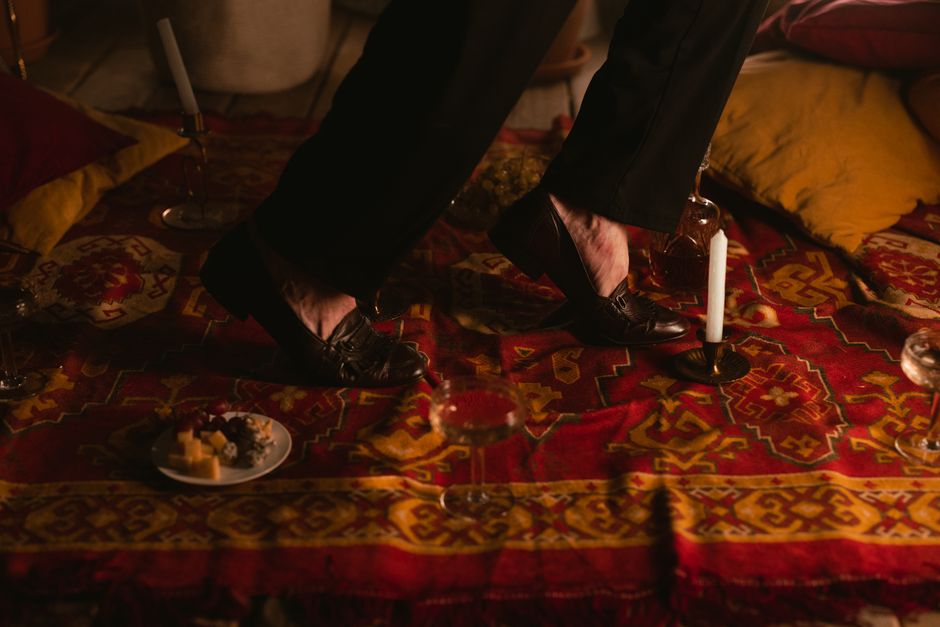
Horsebit loafers sit between a dress shoe and a sneaker. They work with:
- Cropped trousers (hemmed 1-2 inches above the ankle)
- Straight-leg jeans (dark wash, no rips)
- Chino shorts (no-show socks or barefoot)
- Midi skirts and dresses (spring through fall)
They do NOT work with wide-leg pants that cover the shoe entirely — the bit disappears and the silhouette looks blocky. They also look wrong with athletic wear or formal suits. Keep them in the smart-casual zone.
The metal bit is a detail, not a statement. If your outfit already has a belt buckle, watch face, or necklace with visible metal, match the finish. Silver-toned bits pair best with silver jewelry. Gold with gold. Brushed brass (the most common finish) sits between them and works with either.
Brand Comparison: Seven Horsebit Loafers at Every Price
| Brand & Model | Price | Leather | Sole | Best For |
|---|---|---|---|---|
| Gucci Horsebit 1953 | $795 | Full-grain calfskin | Leather | Special occasions, low-walk days |
| Tod’s Horsebit Gommino | $595 | Full-grain calfskin | Rubber pebbles | Daily wear, driving, city walking |
| Cole Haan Grant Escape | $180 | Full-grain leather | Rubber lug | Commuting, rain, all-day standing |
| Sam Edelman Bay | $130 | Corrected-grain (coated) | Rubber | Budget buy, occasional wear |
| G.H. Bass Larson | $110 | Corrected-grain (coated) | Leather | First pair, low commitment |
| Rothy’s The Loafer | $195 | Recycled plastic knit | Rubber | Machine-washable, vegan, travel |
| Clarks Brixley | $100 | Full-grain leather | Rubber | Wide feet, budget full-grain |
The Clarks Brixley is the surprise value pick. Full-grain leather at $100, with a rubber sole and a wider toe box. The horsebit is a stamped plate, not a solid metal piece, so it will not last 10 years. But for the price, it is the best entry-level option.
Rothy’s uses no leather at all. The shoe is knitted from recycled plastic bottles and the bit is molded plastic. It is lightweight, machine-washable, and comfortable for travel. The tradeoff: it looks casual and the bit will eventually peel. Not for dressy situations.
When to Skip Horsebit Loafers Altogether

Horsebit loafers are not universal. Skip them if:
- You need arch support. Most loafers have a flat footbed. If you pronate or have high arches, look at loafers from brands like Ecco or Mephisto that build in orthotic-friendly footbeds.
- You walk more than 5 miles a day. The rigid bit and thin sole will cause metatarsal pain. Pick a sneaker or a walking shoe with a rocker sole.
- Your office dress code requires closed-toe pumps or oxfords. Horsebit loafers are too casual for conservative formal workplaces.
- You live in a wet climate. Leather soles and suede do not handle rain. Rubber-soled versions (Cole Haan, Clarks) work, but the leather upper still needs waterproofing spray and regular care.
For most people, a single pair of mid-range horsebit loafers ($150-$300) covers 70% of smart-casual situations. Spend more only if you plan to wear them weekly for years. Spend less if you want the look for a season and do not care about resoling.
Quick Verdict: Which One Should You Buy?
Best overall for daily wear: Cole Haan Grant Escape ($180). Full-grain leather, rubber sole, comfortable for 8-hour days. The bit is solid and the shoe can be resoled.
Best for style-first wearers: Tod’s Horsebit Gommino ($595). The rubber pebble sole is grippy and the leather is exceptional. You pay for the brand name, but the construction justifies it.
Best budget pick: Clarks Brixley ($100). Full-grain leather at a price that beats everyone. The bit is stamped, not solid, but for occasional wear it is fine.
Best for wide feet: Clarks Brixley or Sam Edelman Bay (size up half a size). Both have roomier toe boxes than Gucci or Tod’s.