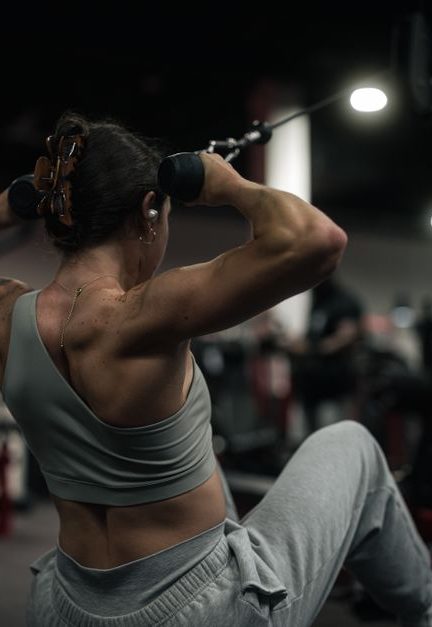
You walk into the gym. You see her — the woman in the perfectly fitted leggings, the sports bra that holds everything in place, the tank that doesn’t ride up during deadlifts. She looks like she belongs. You look down at your own outfit. The leggings are sliding down. The bra strap keeps digging in. The shirt is already damp after your warm-up.
That’s not a body problem. That’s a gear problem. And it’s fixable.
This guide covers exactly what makes a gym outfit work — fabric science, fit rules, and five complete outfits for different training styles. No fluff. No vague “choose what feels right” advice. Real specs, real brands, real prices.
Why Most Women’s Gym Clothes Fail Within 3 Months
You spent $80 on leggings. After 10 washes, the waistband rolls. The fabric pills between the thighs. The color fades to a sad gray. That’s not normal wear — that’s a manufacturing shortcut.
The problem starts with fabric blends. Cheap activewear uses polyester with less than 10% elastane. That means poor recovery. The fabric stretches out during a squat session and doesn’t snap back. Within weeks, the waistband gives up.
Another failure mode: seams. Flatlock seams cost more to produce. Brands that skip them use overlock stitching instead. Those seams rub against your skin during high-rep sets. After 45 minutes of cycling or running, you’ve got red marks that last for hours.
Then there’s the moisture issue. Cotton blends in a gym shirt trap sweat. You feel wet, heavy, and cold. The fabric holds bacteria, so after a few wears, that “clean” shirt smells musty before you even start moving.
The fix is simple but not cheap: look for fabrics with at least 12% elastane (15% is better), flatlock seams on all stress points, and moisture-wicking certification (like UPF 50+ or Oeko-Tex). Brands like Lululemon, Nike, and Girlfriend Collective meet these specs. The $20 Amazon leggings usually don’t.
Bottom line: A $70 pair of leggings that lasts 200 wears costs $0.35 per use. A $30 pair that pills after 20 wears costs $1.50 per use. The math is clear.
Fabric Science: What to Look For (and What to Avoid)
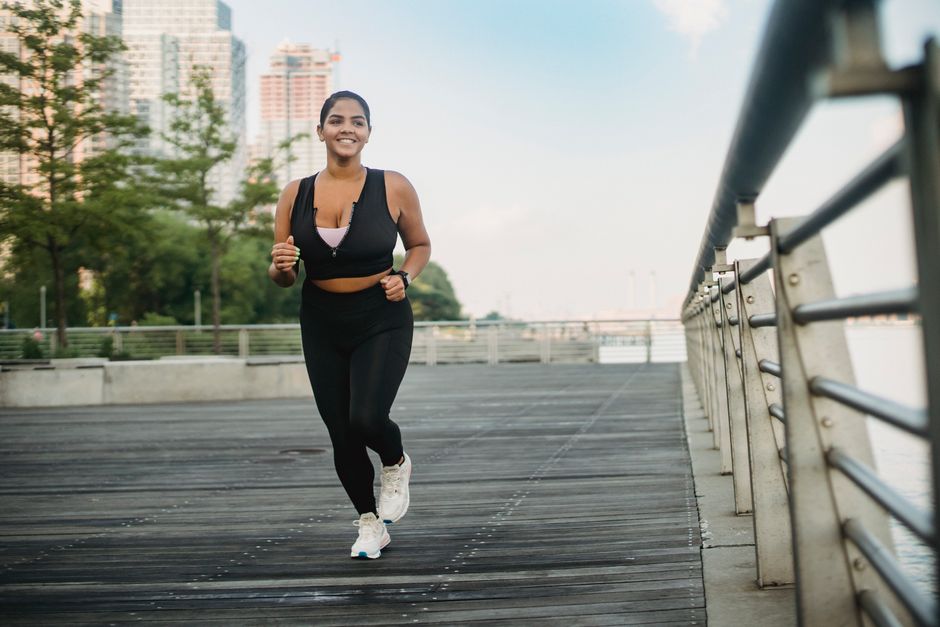
Three fabric types dominate women’s gym wear. Each serves a different purpose. Mixing them up is the most common mistake.
Nylon-Spandex Blends (Best for High-Impact Training)
Nylon is stronger than polyester. It resists abrasion better — important for HIIT classes where you’re on the floor, doing burpees, or using resistance bands. Brands like Lululemon’s Nulu fabric (nylon, lycra, and elastane) and Girlfriend Collective’s compressive fabric use this blend.
What to buy: Lululemon Wunder Train High-Rise Tight ($98, 75% nylon, 25% lycra elastane). They hold shape after 50+ washes. The waistband doesn’t roll. The fabric is buttery soft but compressive enough for heavy lifting.
Polyester-Spandex Blends (Best for Cardio and Sweat)
Polyester wicks moisture faster than nylon. It dries quickly. That makes it ideal for running, spinning, or any activity where you soak through your clothes. The trade-off: polyester doesn’t feel as soft against skin. It can get staticky in dry air.
What to buy: Nike Dri-FIT One Luxe leggings ($70, 79% polyester, 21% spandex). They dry in about 20 minutes after a wash. The waistband has a hidden drawcord — useful if your waist-to-hip ratio means standard high-waist cuts gap.
Cotton Blends (Avoid for Workouts, Fine for Errands)
Cotton absorbs sweat. It stays wet. It chafes. The only reason to wear cotton to the gym is if you’re doing light stretching or walking on a treadmill for 20 minutes. For anything more intense, skip it.
Exception: Some brands blend cotton with modal or Tencel for a soft feel. Outdoor Voices does this with their CloudKnit fabric. It’s comfortable for yoga or Pilates where you don’t sweat heavily. But for a 5K run? You’ll regret it.
| Fabric Type | Best For | Durability | Price Range | Example Product |
|---|---|---|---|---|
| Nylon-Spandex | HIIT, weightlifting, floor work | High (200+ washes) | $60–$120 | Lululemon Wunder Train |
| Polyester-Spandex | Running, cycling, high-sweat cardio | Medium (100+ washes) | $40–$80 | Nike Dri-FIT One Luxe |
| Cotton-Modal Blend | Yoga, Pilates, light stretching | Low (50+ washes) | $30–$60 | Outdoor Voices CloudKnit |
Fit Rules That Actually Matter (Not the Ones Influencers Push)
Influencers tell you to buy leggings that “suck everything in.” That’s wrong. Too-tight leggings restrict movement and create visible panty lines. They also compress your stomach during deadlifts, making it harder to brace.
Here are the three fit rules that matter:
- Waistband height: High-rise (9–11 inches) works for most women because it covers the belly button. Mid-rise (7–8 inches) is better if you have a short torso — high-rise can hit your ribcage. Low-rise is only for posing. Don’t train in it.
- Crotch gusset: A 3-inch gusset (the diamond-shaped panel in the crotch) prevents camel toe and allows full hip rotation during squats. Cheap leggings use a 1-inch gusset or none. Check the product photos before buying.
- Bra band width: For high-impact sports, the bra band should be at least 2 inches wide. Narrow bands dig into shoulders. The Under Armour High Support Crossback ($55) has a 2.5-inch band. It stays put during box jumps.
One more thing: don’t buy based on size charts alone. Brands cut differently. Lululemon runs small in the waist but generous in the hips. Nike runs straight-sized. Girlfriend Collective runs slightly large. Order two sizes and return the one that doesn’t fit.
5 Complete Gym Outfits for Different Training Styles
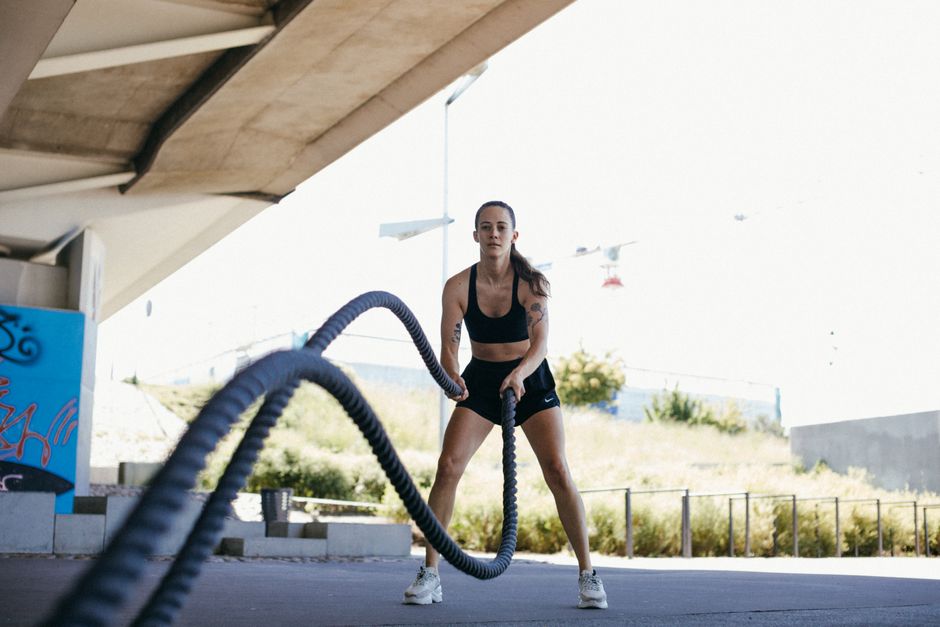
One outfit doesn’t fit all workouts. Here are five combinations, each matched to a specific training style. Prices are approximate as of early 2026.
Outfit 1: Heavy Lifting (Squats, Deadlifts, Presses)
You need compression and coverage. Leggings with a high waist (11 inches) that won’t roll. A sports bra with encapsulation cups (not compression-only). A loose tank that doesn’t restrict shoulder movement.
Picks: Lululemon Wunder Train High-Rise Tight ($98) + Lululemon Energy Bra Long Line ($52) + Nike Dri-FIT Swoosh Tank ($35). Total: $185.
Outfit 2: HIIT and CrossFit
You’ll jump, run, and hit the floor. You need shorts with a built-in liner (to prevent chafing) and a bra that handles high impact. A cropped tee or tank that stays tucked.
Picks: Nike Pro 365 Shorts ($45, with liner) + Under Armour High Support Crossback Bra ($55) + Outdoor Voices Cropped Warmup Tee ($40). Total: $140.
Outfit 3: Long-Distance Running (5K+)
Moisture management is everything. Lightweight shorts with a phone pocket. A bra with adjustable straps (you’ll want to tighten them after 30 minutes). A long-sleeve top for sun protection.
Picks: Nike Dri-FIT One Luxe Shorts ($50, with side pocket) + Brooks Drive 3 Bra ($48) + Under Armour HeatGear Armour Long Sleeve ($45). Total: $143.
Outfit 4: Yoga or Pilates
Soft fabrics that don’t dig in. A bra that allows full range of motion for shoulder stands and arm balances. Leggings with a wide waistband that stays flat during twists.
Picks: Girlfriend Collective Compressive High-Rise Legging ($68) + Girlfriend Collective Paloma Bra ($38) + Alo Yoga Airlift Tank ($48). Total: $154.
Outfit 5: Casual Gym Sessions (Light Cardio + Stretching)
This is the outfit for days when you’re not pushing max effort. Comfort over compression. A relaxed-fit tee. Joggers or loose shorts. A medium-support bra.
Picks: Nike Sportswear Club Fleece Joggers ($55) + Champion Sports Bra ($25) + Hanes Perfect-T Relaxed Tee ($15). Total: $95.
Common Mistakes That Ruin Your Gym Outfit (and How to Avoid Them)
Three mistakes keep showing up in my DMs and the fitness subreddits. Here they are, with fixes.
Mistake 1: Buying the wrong size sports bra. Most women wear a band size too large and a cup size too small. The band should be snug on the loosest hook — you should be able to slide two fingers under it, not four. The cups should encapsulate each breast separately, not flatten them. If your bra rides up during jumping jacks, the band is too big.
Mistake 2: Wearing cotton socks with synthetic leggings. Cotton socks absorb sweat from your shoes. That sweat transfers to your leggings. Within 10 minutes, you’ve got damp patches at the ankles. Use synthetic running socks (Balega or Feetures) that wick moisture away.
Mistake 3: Not washing gym clothes properly. Fabric softener coats the fibers and blocks moisture-wicking. So does dryer sheets. Wash activewear in cold water with a sport-specific detergent (like Hex Performance or Nathan Sport-Wash). Hang dry — the dryer heat breaks down elastane faster than anything else.
One more: don’t wear the same leggings two days in a row. Bacteria builds up even if you can’t smell it. That bacteria breaks down the fabric’s elasticity over time. Rotate between at least three pairs.
What to Expect from Gym Clothing in 2026 and Beyond
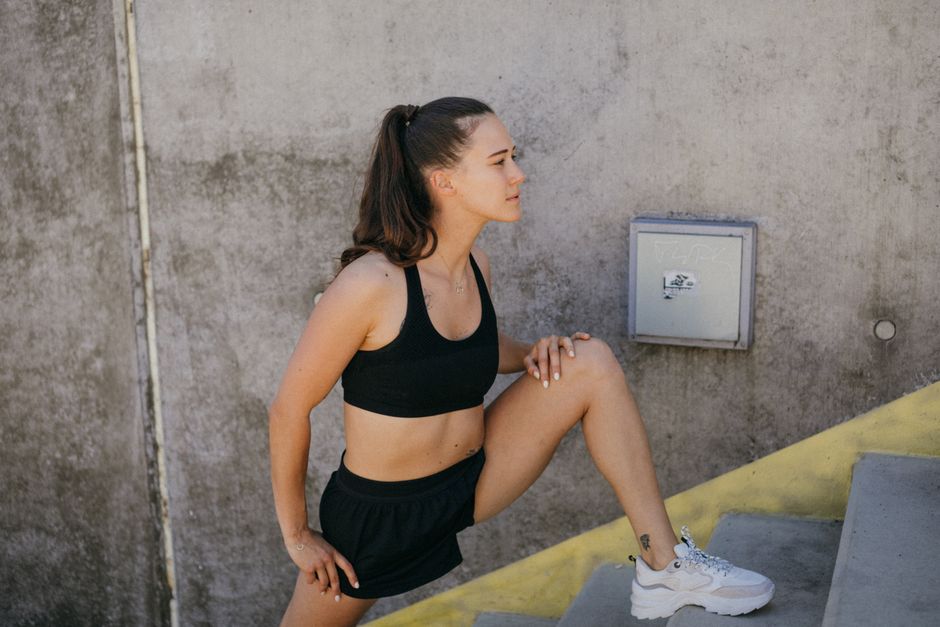
The activewear industry is shifting. Two trends are worth watching.
First, recycled materials are becoming standard, not premium. Girlfriend Collective already uses 79% recycled polyester from post-consumer bottles. Lululemon’s new “ReNew” line uses recycled nylon. The quality is comparable to virgin materials. The price is roughly the same. That means you don’t have to choose between performance and sustainability anymore.
Second, sizing is getting smarter. Brands are moving away from straight sizing (XS–XL) toward inclusive size ranges. Nike now offers extended sizes up to 3X in most leggings and bras. Lululemon’s “Like Nothing” bra comes in 30A–40G. The fit issues that plagued plus-size women for years are slowly getting addressed — but it’s not universal yet. Always check the size chart.
The bottom line: A good gym outfit costs more upfront but lasts longer. Spend on the pieces that touch your skin the most — leggings and bras. Save on tops and outer layers. And never trust a fabric that doesn’t list its exact composition on the tag.