You buy a soft pair of joggers, wear them once, and spot the problem: the waistband rolls, the knees bag out, or the cuffs sit at an awkward point above your shoes. The best joggers pants for women solve those issues through fit and fabric first, brand name second.
How should women’s joggers fit?
The best starting point is a fit that follows your body without copying the shape of leggings. Joggers need room through the seat and upper thigh, a stable waistband, and a leg that narrows gradually toward the ankle. If the fabric pulls across the hips when you sit, the size is too small. If the crotch drops several inches below your body, the rise or cut is too generous.
What should the waistband do?
A good waistband stays flat when you walk, sit, and bend. Test it in a fitting room by placing two fingers inside the front edge; you should feel gentle tension, not pressure. A drawstring helps, but it cannot rescue a waistband that is already too loose. High-rise joggers should reach your natural waist or sit slightly below it. Mid-rise pairs work better when you dislike fabric near your ribs or plan to wear cropped tops.
Where should the cuff land?
Check the ankle opening with the shoes you actually wear. A cuff that stops just above the ankle bone looks clean with trainers, while a cuff that bunches over the shoe can make the leg look shorter. For petite frames, a 25–27 inch inseam often gives a sharper line. Taller shoppers may need 28–31 inches. The cuff should touch the ankle without squeezing it, and it should not leave a deep mark after ten minutes.
Best fit verdict: choose a relaxed hip, a flat waistband, and a cuff that ends at the ankle bone. That combination works across body shapes and looks more polished than either a tight leg or a very oversized sweatpant.
Which jogger fabric is best for each season?
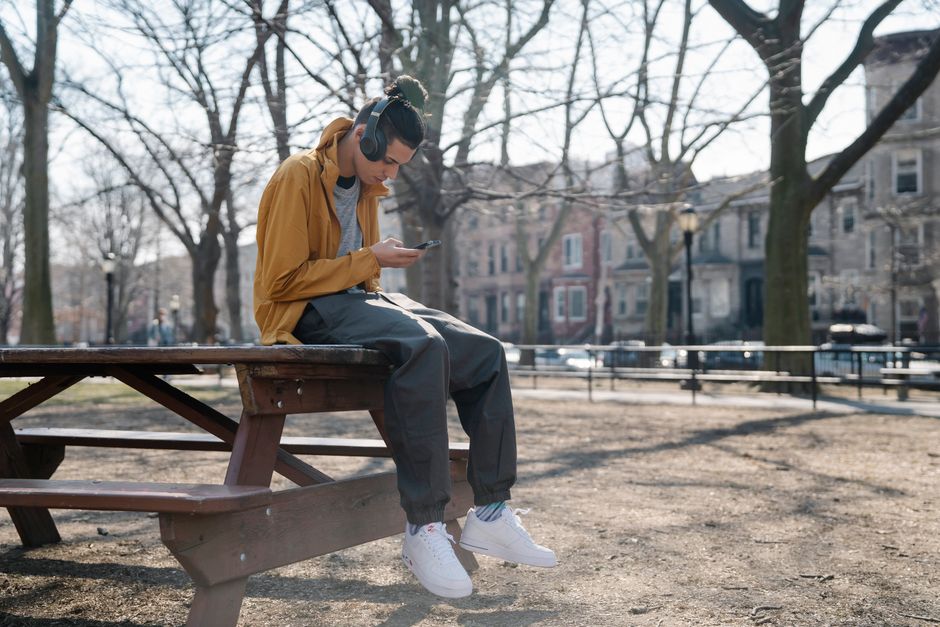
Fabric decides how often you will wear joggers. A pair can fit perfectly yet fail because it traps heat, shows every pocket outline, or loses its shape after two washes. For most wardrobes, a medium-weight cotton blend is the safest choice because it feels soft, holds a cuff, and works indoors or outside during mild weather.
| Fabric | Best use | Useful weight or blend | Main drawback |
|---|---|---|---|
| Lightweight cotton jersey | Warm weather, travel, layering | 150–220 gsm | Can cling and show pocket lines |
| French terry | Spring, fall, everyday wear | 240–320 gsm | Less warm than brushed fleece |
| Brushed fleece | Cold weather and lounging | 300–400 gsm | Too warm for active errands |
| Nylon or polyester stretch | Walking, commuting, light workouts | Four-way stretch with 5–15% elastane | Can look sporty rather than tailored |
How can you test fabric quality?
Stretch the fabric across your thigh and release it. Good knit fabric returns to shape within a few seconds and does not leave a shiny stressed patch. Hold the fabric toward a light; if you can clearly see your hand through a dark pair, expect less coverage. Rub the inside seam with your fingers, too. Rough thread or a stiff seam will become irritating during long walks.
Avoid heavy fleece for summer travel and thin jersey for long flights if you dislike wrinkles. Fabric weight should match the job, not just the temperature in the shop.
The one jogger fit rule that prevents most buying mistakes
Buy for the seat and thigh first, then adjust the waist with the drawstring. A slightly loose waistband is easy to fix, but fabric that strains across the hips will keep pulling, twisting, and wearing out no matter how attractive the color looks. This rule also stops a common mistake: sizing down because the jogger looks neater on the hanger, only to discover that the pockets gape, the front rise cuts in when you sit, and the cuff climbs several inches up the calf after a full day. Try the pair with underwear similar to what you normally wear, sit for sixty seconds, walk ten steps, and raise one knee; if the waistband shifts, the knee area feels tight, or the pocket lining pulls outward, reject that size immediately, because comfort should come from the cut and fabric rather than from wearing the garment loose enough to hide its problems, and a jogger that passes these movements will look relaxed without appearing careless.
Which women’s joggers are worth the price?
Product examples help set realistic expectations, but the most expensive pair is not automatically the best pair for your wardrobe. These three styles show the main trade-offs: soft yoga fabric, travel-friendly stretch, and warm fleece. Prices below refer to regular listed prices in US dollars; discounts and color availability can change.
| Jogger | Typical regular price | Useful specification | Best choice for |
|---|---|---|---|
| lululemon Align High-Rise Jogger | $118 | 28-inch length, soft stretch fabric, high rise | Yoga, errands, and a close streamlined fit |
| Athleta Brooklyn Heights High Rise Jogger | About $99 | Lightweight stretch woven fabric, tapered leg | Travel and polished casual outfits |
| Nike Sportswear Phoenix Fleece Women’s High-Waisted Sweatpants | $75 | Brushed fleece, high waist, relaxed oversized shape | Cold days and relaxed weekend dressing |
Which pair is the clear winner?
For the widest range of outfits, the Athleta Brooklyn Heights High Rise Jogger is the strongest choice because a lightweight woven fabric looks closer to a casual trouser than a traditional sweatpant. Choose the lululemon Align High-Rise Jogger if softness and stretch matter more than structure. Pick the Nike Sportswear Phoenix Fleece style only when warmth and a loose silhouette are the priority; its fuller shape is not the right choice for a neat office-casual look.
Do not pay $118 for a delicate soft-fabric jogger if you need one pair for gardening, frequent washing, or rough travel. In that case, a mid-priced cotton or nylon blend gives better value.
Can joggers look polished outside the house?
What tops make joggers look intentional?
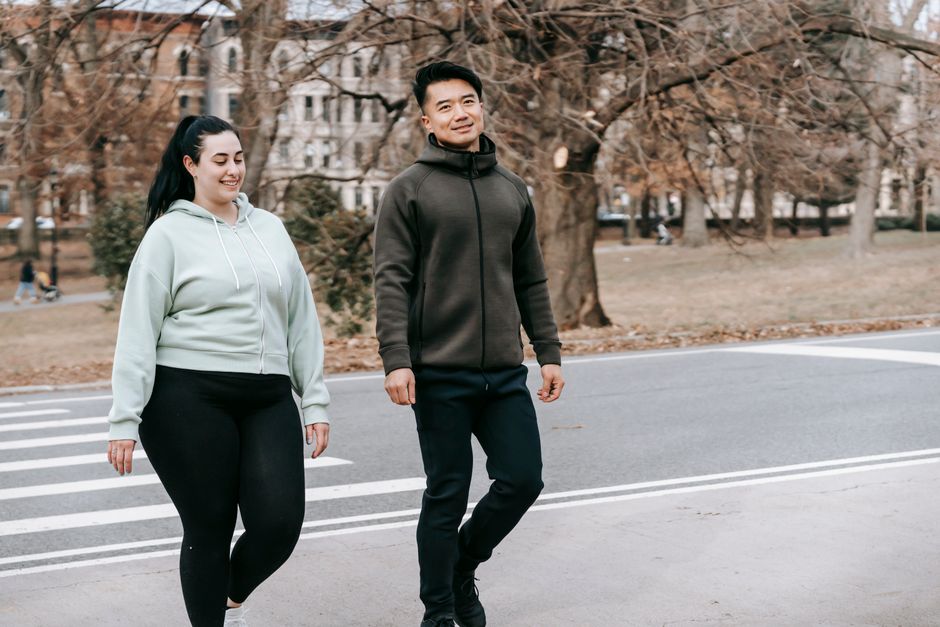
Use contrast. Pair slim joggers with a crisp button-down, a fitted knit polo, or a short structured jacket. If the jogger is oversized, choose a cleaner top that ends near the hip rather than adding another oversized layer. A monochrome outfit in black, navy, cream, or charcoal also makes casual fabric look more considered.
Which shoes work best with women’s joggers?
Low-profile trainers keep the outfit casual and prevent a bulky break at the ankle. Loafers work with a tapered woven jogger when the cuff is neat and the hem does not bunch. Avoid delicate ballet flats with thick fleece because the contrast makes the bottom half look heavy. Ankle boots can work, but the cuff should sit above the boot opening instead of folding over it.
When should you skip joggers?
Skip them for formal offices, ceremonies, or any outfit that needs a sharp pressed crease. Choose straight-leg knit trousers or relaxed chinos instead. Joggers are strongest when you want movement, softness, and a clean casual line; they lose their advantage when you force them into a dress code they were never cut to meet.
The best joggers pants for women are the ones that fit comfortably at the hips, match the fabric to the intended use, and keep their shape after real movement.