You buy a famous sneaker, wear it for one long day, and discover the heel rubs, the toe box pinches, or the sole looks wrong with every outfit. The problem is not a lack of good brands. It is choosing by reputation instead of use.
The best sneaker brand is the one that solves your actual problem: daily comfort, polished style, running support, or weather-ready traction.
Why Famous Sneaker Brands Still Fail at the Basics
A logo cannot fix the wrong job
Sneakers exist because regular shoes force one compromise too many. Dress shoes look sharp but can punish your feet. Work boots protect the foot but add weight. Running shoes absorb impact but often look too sporty for everyday clothes. A good sneaker sits between those needs. It gives the foot enough structure for movement while keeping the shape easy to wear with jeans, trousers, skirts, and casual tailoring.
That basic purpose gets lost when shoppers treat every sneaker as interchangeable. A flat gum sole is useful for a clean streetwear look, but it is not the right choice for a ten-mile walk. A soft, high-stack running shoe may feel excellent on pavement, yet look bulky under slim trousers. A leather court sneaker handles casual outfits well, but it will not replace a proper training shoe.
Comfort starts with the foot, not the hype
Fit creates most sneaker comfort. Measure both feet near the end of the day, when they are slightly larger. Leave about 10 to 15 millimeters between the longest toe and the front of the shoe. The heel should stay planted when you walk, while the widest part of your foot should sit over the shoe’s widest point.
Fit before logo is the rule that saves the most money. A famous brand with the wrong shape still gives you blisters. Check the upper, the midsole, the outsole, and the return terms before you care about a collaboration or celebrity endorsement.
How to Judge a Sneaker Brand Before You Buy
Use this five-point check
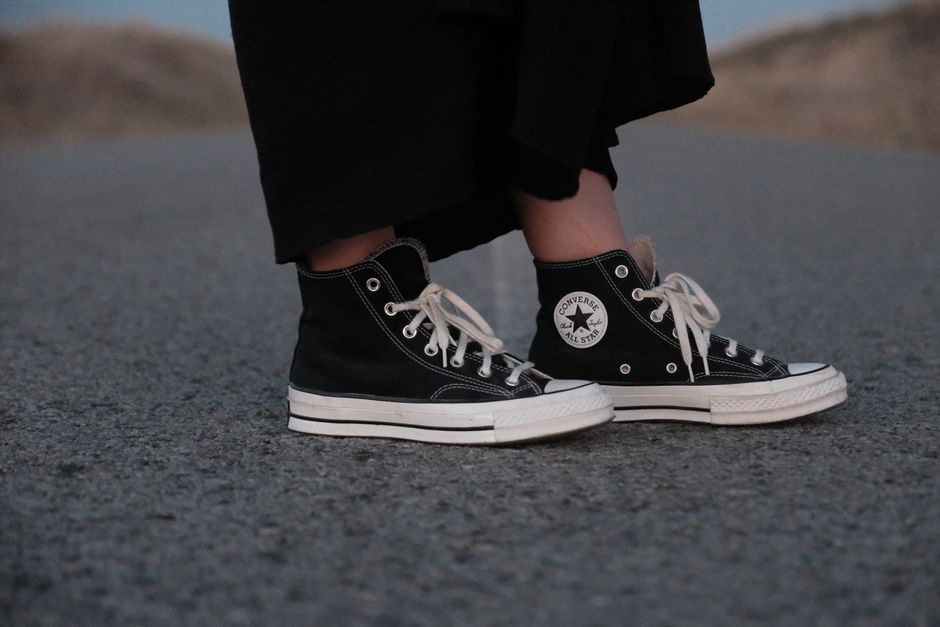
- Start with the job. Decide if the sneaker is for commuting, gym training, running, travel, or styling. Do not ask one pair to perform every role.
- Check the shape. Look for enough toe room, a secure heel, and a midfoot that does not squeeze. Width matters as much as length.
- Read the materials. Leather usually gives a smoother, more structured appearance. Mesh improves airflow. Suede looks rich but needs more care. Synthetic overlays can reduce cost and add support.
- Inspect the sole. A thick foam midsole helps with impact. A firmer rubber outsole usually lasts longer. Deep lugs help outdoors but can look clumsy in a smart casual wardrobe.
- Compare the full cost. Include cleaning products, replacement insoles, shipping, and the cost of returning a bad size. A cheap pair that hurts your feet is not cheap.
The fit test that catches bad buys
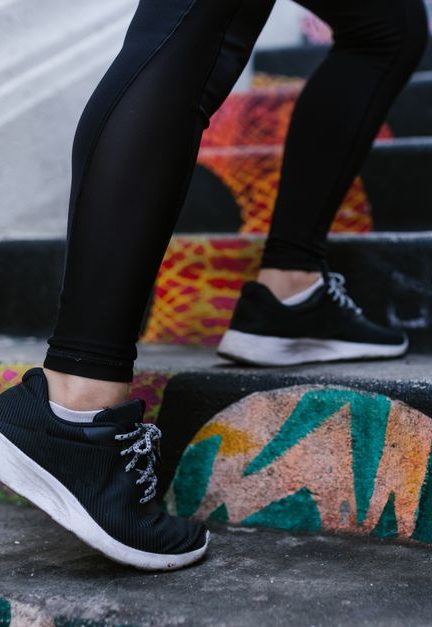
Try sneakers with the socks you normally wear. Walk up stairs, bend your toes, and stand still for two minutes. Your toes should move freely without sliding into the front. Lace the shoe firmly, then check the heel. If it lifts more than a few millimeters on every step, the shape is wrong.
Do not trust a ten-second try-on. Some shoes feel fine in a store and become painful after four hours. A brand earns its place through consistent sizing, useful width options, dependable construction, and a return policy that gives you time to find out.
The World’s Best Sneaker Brands, Compared
The short list
| Brand | Best use | Example | US list price | Main drawback |
|---|---|---|---|---|
| Nike | Iconic everyday style | Air Force 1 ’07 | $115 | Runs large; bulky for some outfits |
| adidas | Low-profile casual dressing | Samba OG | $100 | Flat sole is not ideal for long walks |
| New Balance | All-day comfort and width options | Made in USA 990v6 | $199.99 | High price and a sportier shape |
| ASICS | Running support and stability | GEL-KAYANO 32 | About $165 | Too technical for minimalist outfits |
| Salomon | Trail-inspired city wear | XT-6 | $185 | Deep outdoor styling limits versatility |
These prices are typical US list prices checked for 2026. Sales, colorways, and regional pricing can change. The table is a starting point, not a claim that one brand wins every category.
My first verdict
Nike wins for the broadest fashion appeal. adidas is the sharper choice for slim jeans, relaxed tailoring, and understated outfits. New Balance is the safest premium buy for people who spend all day standing or walking. ASICS wins when actual foot support matters more than appearance. Salomon is the best choice for technical styling and mixed city-outdoor use.
That is the useful ranking. Calling one company the world’s best without naming the job is just empty sneaker talk.
Pick the Brand That Matches Your Wardrobe
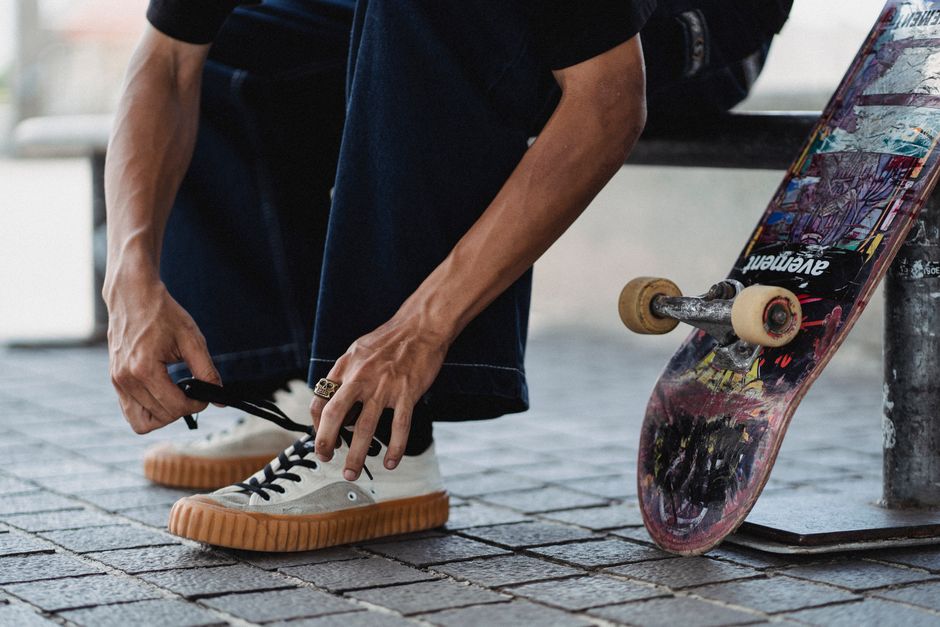
My opinion: adidas makes the best everyday fashion sneaker for most wardrobes. The Samba OG has a low profile, a simple leather upper, and a gum outsole that works with denim, wide-leg trousers, shorts, and casual dresses. It looks intentional without shouting for attention.
For a clean everyday uniform
Choose adidas for a narrow, low sneaker that keeps the outfit line neat. Pick Nike if you want more visual weight and stronger streetwear energy. The Air Force 1 ’07 is the better option with loose jeans, cargo trousers, and oversized layers. It also gives more underfoot padding than a very flat terrace-style shoe, although its bulk can overwhelm tapered pants.
For long days on your feet
Choose New Balance. The Made in USA 990v6 combines FuelCell foam with ENCAP support and comes in multiple widths. At roughly 10.5 ounces in one listed version, it is not a featherweight shoe, but it feels more stable than many fashion-first pairs. This is the clear winner for commuting, travel, and workdays that involve constant standing.
For running or technical styling
Choose ASICS for actual running support. The GEL-KAYANO 32 is built around stability and cushioning, not a thin fashion sole. Choose Salomon XT-6 if your priority is a technical look with outdoor hardware. Its 10-millimeter drop, lugged outsole, and trail-derived build make it more capable on uneven ground than a flat casual sneaker, but less natural with formal clothing.
Sneaker Brand Questions That Prevent a Bad Purchase
Should I buy the most expensive sneaker?
No. Spend more only when the shoe gives you something useful: better width options, stronger materials, more durable cushioning, or a construction that suits your feet. A $200 sneaker with a poor fit is a worse purchase than a $100 sneaker you wear three times a week for years.
Are famous fashion sneakers good for walking?
Some are, but do not confuse popularity with walking support. Check the heel-to-toe shape, the firmness of the midsole, and the flexibility of the forefoot. If you plan to walk for hours, choose a shoe designed around cushioning and stability. A flat lifestyle sneaker may look better and still leave your feet tired.
When should I skip a famous sneaker brand?
Skip it when the toe box pinches, the heel slips, the shoe has no useful width option, or the sole does not match your routine. Skip it when you only want the logo. Also skip any pair with a return process that makes sizing a gamble. The right sneaker should make dressing easier and moving more comfortable. If it fails either test, it is not the right buy.