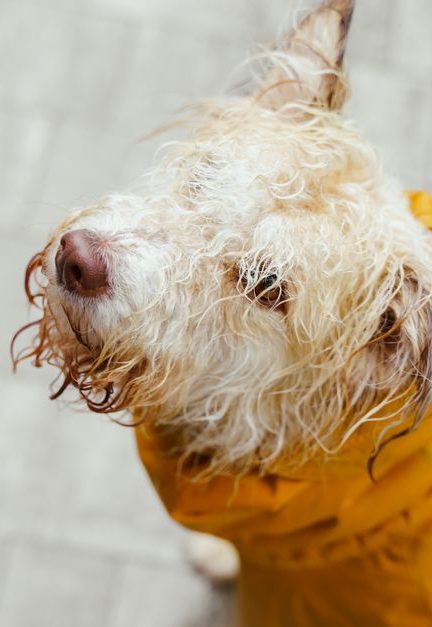
The best raincoat for a 1-year-old is the Reima Moomin Vesi for wet, active days. It comes in a 12-18M size, uses a flexible PVC-free material, and has welded seams with a water column over 10,000 mm. The Jan & Jul Puddle-Dry Shell Jacket is the better choice for mild weather and layering, while the Reima Rapakko makes more sense for cold rain and slush.
A one-year-old needs more than a cute hood. The jacket must keep water out at the seams, let the child crawl and walk freely, and stay out of the eyes while the child moves. Prices below are listed prices checked in November 2026 and may change. No state law is discussed here. This is not legal advice — consult a licensed attorney.
What a one-year-old raincoat must actually do
A toddler raincoat exists to solve a simple problem: keep a small child dry without making movement, visibility, or supervision harder. At this age, children sit on wet ground, lean against damp playground equipment, crawl through grass, and pull at zippers. A jacket that only sheds a light drizzle can fail within minutes when the child kneels in a puddle.
Waterproof fabric is only half the job
Look for a waterproof rating of at least 5,000 mm when the jacket will face regular rain. A rating over 10,000 mm gives more protection for puddle play and longer outdoor sessions. The seams matter just as much. Taped or welded seams stop water from entering through the needle holes where panels meet. A shiny surface alone does not prove that a garment is waterproof.
The hood and cuffs need to stay controlled
The hood should sit close enough to turn with the child’s head while leaving the face clear. Avoid loose cords near the neck. Elastic cuffs or adjustable tabs stop water from running into sleeves, but they should not leave deep marks on the wrist. Bright panels or reflective details help adults spot a small child in gray weather, especially near driveways and parking areas.
Warmth should come from layers, not from buying the largest padded coat available. A thin base layer and fleece can handle changing temperatures better than one bulky jacket. The strongest choice for most wet days is a flexible shell with secure cuffs, a clear hood, and seams that are actually sealed.
How to choose the right size without guessing
Age labels are rough estimates. A 12-month-old may wear 9-12M, 12-18M, or 18-24M depending on height, body shape, and the brand’s cut. The safest buying method starts with the child’s height and chest measurement, then checks the manufacturer’s chart. Use the child’s actual measurements, not a promise that a jacket will last for three years.
- Measure height from the floor to the top of the head while the child stands naturally. If the child is not walking yet, measure lying flat and keep the tape straight.
- Measure the chest around the fullest part, keeping the tape level under the arms. Do not pull the tape tight.
- Put the child in the layer they will wear under the coat. A rain shell needs room for a shirt or light sweater, but the sleeves should not cover the fingers.
- Check the shoulder seam. It may sit slightly beyond the shoulder for layering, but it should not fall halfway down the upper arm.
- Test the hood while the child turns left and right. If the hood follows the head and the face stays visible, the fit is workable.
Room to grow has a firm limit
One extra size can be useful when the sleeves have elastic cuffs and the body remains close to the child. Two extra sizes usually create a safety and comfort problem. Excess fabric can drag on the ground, cover the hands, and make climbing or early walking less stable. A raincoat that looks roomy in a product photo may feel far larger on a short toddler.
Check fit while sitting, not only standing
Have the child sit on the floor, bend at the waist, and lift both arms. The back hem should cover the lower back without bunching under the chin. The zipper should close without pulling across the chest. This short check catches the most common mistake: buying a coat that looks generous but restricts movement or leaves the lower back exposed.
Four raincoats with a real job to do
The table separates true waterproof shells from lighter rain layers and insulated options. The prices are not directly comparable because the brands use different currencies and seasonal discounts, but the specifications show why each coat earns a place on the list.
| Raincoat | Listed price | Smallest useful size | Weather details | Best use |
|---|---|---|---|---|
| Reima Moomin Vesi | $69.95 | 12-18M | Over 10,000 mm; welded seams; PVC-free flexible material | Heavy rain and puddle play |
| Jan & Jul Bunny Blooms Puddle-Dry Shell | CAD$67.99 | 1T, for ages 1-2 | 10,000 mm; fully taped seams; 5,000 g/m²/24h breathability; 5°C rating | Mild rain and layering |
| Reima Rapakko Rain Suit | $99.95 | 9-12M | Over 10,000 mm; welded seams; light insulation; about 5 to -10°C | Cold rain, sleet, and slush |
| Hatley Button-Up Rain Jacket | $69 list price | 12-18M range available | Waterproof fabric; PVC-free; full lining; snap closure and pockets | Casual outings and light rain |
The strongest overall pick
Choose the Reima Moomin Vesi for a one-year-old who spends real time outdoors. Its 12-18M starting size fits the search age better than many toddler jackets, and its over-10,000 mm water column with welded seams gives it a clear edge in steady rain. The tradeoff is simple: it is a rain shell, not a warm winter coat, so add fleece underneath when the temperature drops.
The best shell for active layering
The Jan & Jul Bunny Blooms Puddle-Dry Shell is the better pick for families who want one light jacket for spring, fall, and travel. Its 1T size, fully taped seams, windproof fabric, and 5,000 g/m²/24h breathability give it a useful balance. The CAD$67.99 price is reasonable for the specification, but its 5°C rating means it needs a warm layer in colder weather.
Why my cold-weather pick is different

For cold rain, the Reima Rapakko is the clear choice because it adds light insulation without requiring a separate jacket and rain-pants system. It starts at 9-12M, has a water column over 10,000 mm, welded seams, and a stated temperature range of about 5 to -10°C. That makes it the most practical option for wet winter walks, slush, and chilly outdoor play.
Insulation helps when the rain is cold
A thin waterproof shell can keep rain out while still leaving a child cold. One-year-olds lose heat quickly when they sit still in a stroller or play on wet ground. The Rapakko addresses that problem with light insulation, but it should not replace sensible layering. A base layer, the insulated suit, socks, and waterproof footwear still need to match the conditions.
When not to buy the insulated suit
Do not choose the Rapakko for a warm, humid climate or a child who overheats easily. Insulation adds comfort in cold weather but reduces flexibility across seasons. For mild rain around 10°C or warmer, the Jan & Jul shell is a better value because the parent can adjust warmth underneath. For occasional showers during errands, the Hatley Button-Up Rain Jacket costs less and offers a fully lined, easy-to-dress option, although it is not the strongest choice for long puddle sessions.
There is also a car-seat issue that deserves care. Bulky outerwear can create extra space between a child and the harness straps. Follow the car-seat manufacturer’s instructions and remove thick coats before buckling the child if the manual requires it. A thin shell or blanket over properly tightened straps is often the safer setup, but the seat manual controls.
Questions parents ask before buying a toddler raincoat
Is a water-resistant jacket enough for a one-year-old?
It is enough for a short walk from a house to a car, but not for crawling, sitting in wet grass, or repeated puddle play. Water-resistant fabric may shed light drops while the seams still allow water through. For outdoor play, choose a waterproof shell with taped or welded seams. The Reima Moomin Vesi and Jan & Jul Bunny Blooms both provide stronger evidence of full rain protection than a basic nylon windbreaker.
Should a one-year-old wear rain pants too?
Yes, if the child will sit or crawl outdoors. A raincoat protects the torso, but water can run down the back and soak trousers within minutes. A full rain suit, such as the Reima Rapakko, gives better coverage for cold wet ground. For mild weather, a shell jacket with separate waterproof pants is easier to adjust as the temperature changes.
Is Reima Lampi suitable for a 1-year-old?
Not usually at exactly 12 months because the smallest listed size is 18-24M. It is a strong waterproof jacket at $49.95, with a water column over 10,000 mm and welded seams, but the size gap matters more than the lower price. If the child already measures into 18-24M, Lampi is a sensible budget choice. If not, buy a correctly fitting 12-18M jacket instead of relying on rolled sleeves and a loose hood.
The final recommendation for a first raincoat
A first raincoat should protect against the weather that the child will actually meet, fit over one light layer, and keep the face, hands, and feet free for movement. For most one-year-olds in wet spring or fall weather, the Reima Moomin Vesi is the best purchase because it offers a 12-18M size, welded seams, a water column over 10,000 mm, and a flexible shell that works through active puddle play. Choose the Jan & Jul Bunny Blooms instead when breathability and layering matter more than insulation, and choose the Reima Rapakko when cold rain or slush is the main problem. Avoid sizing two years ahead, treating water resistance as waterproofing, or using a bulky coat under a car-seat harness without checking the seat instructions.