You open Pinterest, search “graduation outfit,” and 47 boards later you have saved 12 dresses, 8 jumpsuits, 3 suit options, and zero clarity. The problem isn’t a lack of ideas. It’s that most Pinterest pins show looks designed for a studio shoot, not for sitting on a folding chair in 80°F heat for two hours, then walking across a stage under harsh lights, then standing in direct sun for family photos.
A graduation outfit needs to do three things at once: look intentional in photos, survive the weather, and let you move comfortably. Here is the framework to stop scrolling and start building.
Why Most Pinterest Graduation Outfits Fail in Real Life
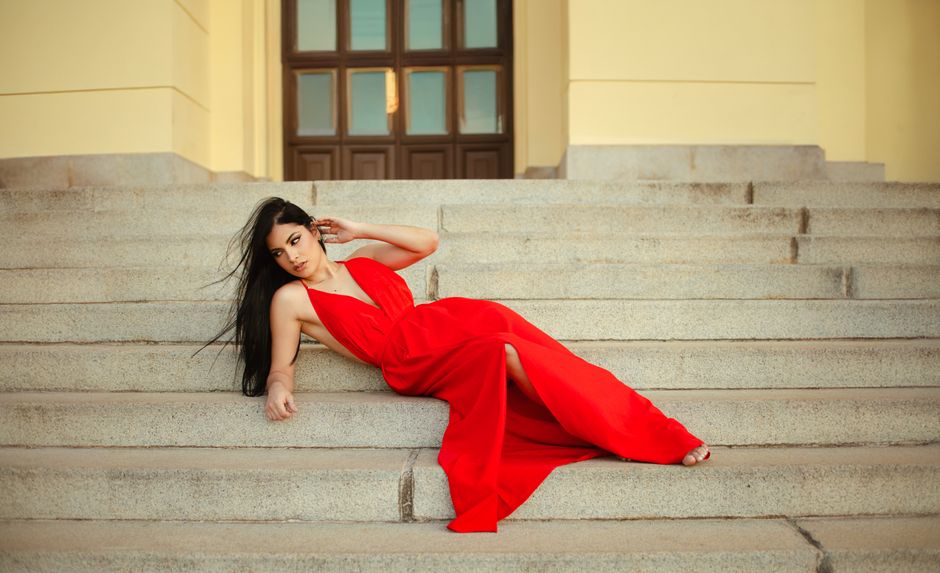
The average Pinterest graduation pin shows a model in a silk slip dress with strappy heels, standing on a marble staircase with perfect lighting. That outfit works for a 2-minute photo shoot. It fails for a 4-hour ceremony.
Three failure modes happen over and over:
- Fabric shows sweat. Silk, satin, and cheap polyester cling to damp skin. Under stage lights, you look shiny within 15 minutes.
- Shoes hurt by hour two. Heels over 3 inches cause visible discomfort. You stand differently, walk differently, and it shows in every photo.
- The gown hides the outfit. Most graduation gowns are shapeless polyester. If your outfit relies on a waistline or neckline detail, the gown covers it completely.
The fix: design the outfit for the moments between photos, not just the photos themselves.
The 3-Second Rule: What the Camera Actually Sees

Professional photographers have a rule: if a detail isn’t visible from 10 feet away, it doesn’t exist in a group photo. Graduation photos are taken from a distance — you on stage, you in a group of 20 family members, you holding a diploma at arm’s length.
What reads well on camera:
- Solid, saturated colors. Navy, emerald, burgundy, and blush photograph better than pastels or white, which wash out under bright sun.
- One statement piece. A structured blazer, a bold earring, a ribbon belt — pick one, not three.
- Clean lines. A crisp collar, a defined shoulder, a hem that hits at a flattering point on your leg.
What disappears on camera:
- Small prints. Polka dots, florals, and thin stripes turn into visual noise in a wide shot.
- Delicate jewelry. That thin chain necklace is invisible in every photo except your selfie.
- Textured fabrics like heavy lace or ruffles. They add bulk without adding shape.
The verdict: choose one saturated color for your main piece, add one medium-sized accessory, and keep everything else simple.
How to Dress Under a Graduation Gown (Without Looking Bulky)
This section gets ignored on Pinterest because most pins show the outfit without the gown. But you will wear the gown for at least 90 minutes. The outfit underneath needs to work with the gown, not against it.
The gown problem: Most gowns are wide, shapeless, and hit mid-calf. If you wear a full-length dress underneath, the hem bunches. If you wear a high-neck top, the gown collar fights it.
Three rules that work:
- Hem length: Your dress or skirt hem should hit 2-3 inches above the gown hem. This creates a visible layer without bunching. A-line or fit-and-flare shapes work best — pencil skirts add bulk at the hips under the gown.
- Neckline: The gown collar is a V or a scoop. Wear a top or dress with a similar neckline so the layers don’t clash. A crew neck under a deep V-gown looks accidental.
- Sleeves: Cap sleeves or sleeveless are best. Long sleeves under gown sleeves create fabric bulk at the elbow, which shows when you walk across stage.
For graduates who want to remove the gown immediately after the ceremony: wear the outfit you actually want to be photographed in, and treat the gown as a temporary cover-up. Just make sure the outfit underneath is comfortable enough to wear for the whole event.
Footwear That Works for Walking, Standing, and Photos
This is the most common regret in post-graduation surveys. Graduates pick shoes for the photo, not for the day. Here is a comparison of what actually works.
| Shoe Type | Photo Impact | Comfort (4+ hours) | Best For |
|---|---|---|---|
| Block heel (2-3 inches) | Good — visible, elongates leg | High — stable surface, less calf strain | Outdoor ceremonies, grass, cobblestone |
| Pointed flat (leather or suede) | Good — clean line, looks intentional | Medium — requires breaking in | Indoor ceremonies, carpeted stages |
| Stiletto heel (4+ inches) | High — dramatic leg line | Low — pain by hour one, risk of sinking in grass | Short indoor ceremony, immediate shoe change |
| White sneaker (leather, clean) | Medium — casual vibe, works with certain dresses | High — most comfortable option | Outdoor ceremonies, graduates who plan to walk or stand for long periods |
Verdict: A 2.5-inch block heel in a neutral color (nude, black, or metallic) is the most versatile choice. It photographs well, works on grass and concrete, and you can stand in them for 4 hours without pain. If you want to wear sneakers, choose all-white leather and keep them spotless.
The Accessory That Makes the Outfit Look Intentional
Most graduates over-accessorize. They wear a necklace, earrings, a bracelet, a watch, and a hairpiece. The result looks busy in photos and clinks audibly during the ceremony.
Pick one focal accessory. That’s it. One piece that draws the eye and makes the outfit look finished.
Options that work well for graduation:
- Earrings: A medium-sized hoop or a geometric drop. Not tiny studs (invisible) and not chandelier (too heavy for photos).
- A belt: If your dress or jumpsuit has a defined waist, a 1-inch leather belt in a contrasting color adds structure. This works especially well under a gown because the belt creates a waistline that the gown can’t hide.
- A hair accessory: A velvet ribbon, a structured headband, or a single barrette. Avoid anything that requires constant adjustment — you won’t fix it during the ceremony.
What to skip: Statement necklaces (they sit inside the gown collar and look awkward), multiple bracelets (they clank against the podium), and anything with a chain that catches on the gown zipper.
Color Strategy: What Works for Your Skin Tone and the Stage Lighting
Stage lighting is usually warm (yellow-toned) or cool (blue-toned). Most graduation venues use warm lighting, which means cool colors like pale blue and lavender look washed out. Warm colors like coral, terracotta, and gold look vibrant.
Quick color guide:
- Fair skin with pink undertones: jewel tones — emerald, royal blue, deep burgundy. Avoid pale pink and white.
- Fair skin with yellow undertones: warm neutrals — camel, olive, rust. Avoid bright red (it overpowers).
- Medium skin with warm undertones: rich earth tones — burnt orange, mustard, chocolate brown. Avoid pastels.
- Deep skin with cool undertones: bright saturated colors — fuchsia, cobalt, electric yellow. Avoid muddy browns and gray.
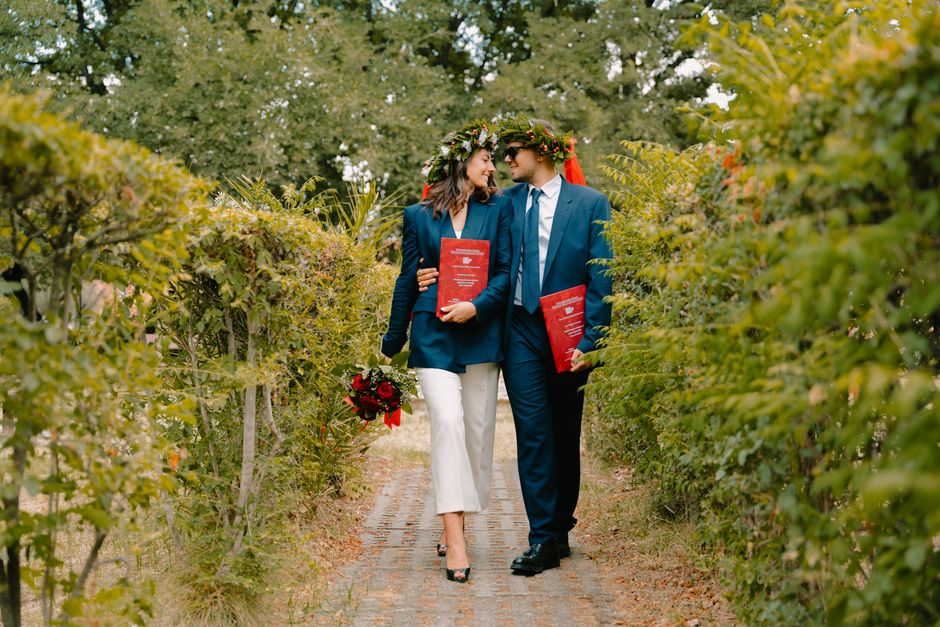
The one color that works for everyone: Navy. It photographs as a deep, rich blue under any lighting. It doesn’t show sweat. It looks formal without being black. And it pairs with any accessory color — gold, silver, rose gold, or pearl.
When to Ignore Pinterest Altogether
Pinterest is a mood board tool, not a shopping guide. Most pins link to fast-fashion sites selling $25 dresses that look good in a flat lay and fall apart after one wear. If you have a graduation outfit budget of $100 or less, you are better off renting a quality piece or shopping secondhand than buying something new that won’t survive a second event.
Three situations where Pinterest advice backfires:
- Outdoor ceremonies in hot weather. Pinterest loves velvet blazers and long-sleeve jumpsuits. In 85°F direct sun, you will regret both. Choose breathable fabrics: cotton poplin, linen, or a lightweight crepe.
- Very formal university ceremonies. Some schools require specific dress codes under the gown — no bare shoulders, no shorts, no open-toe shoes. Check your school’s policy before buying anything.
- Group photos with family. If your family tends to coordinate colors, ask what they are wearing. Showing up in white when everyone else wears black creates a visual disconnect that no filter can fix.
The best graduation outfit is the one you don’t think about during the ceremony. You walk across the stage, shake a hand, smile for the camera, and move on. The outfit should support that moment, not compete with it.