So, you’re looking at gold for an engagement ring. Good. It’s a classic for a reason. But don’t just pick “gold” and call it a day. You need to understand what you’re getting into. There are distinctions, real differences that impact everything from durability to color to maintenance. Don’t waste time on vague advice. Let’s talk specifics. This isn’t just about aesthetics; it’s about making a smart, lasting choice for something you’ll wear every single day. Pay attention.
Choosing Your Gold Type: Yellow, White, or Rose?
Forget endless scrolling. When it comes to gold, you’ve got three main players: yellow, white, and rose. Each has its own vibe and practical considerations. Don’t assume one is universally “better.” It’s about preference and lifestyle. Yellow is traditional, white is modern, rose is trendy. But there’s more to it than that.
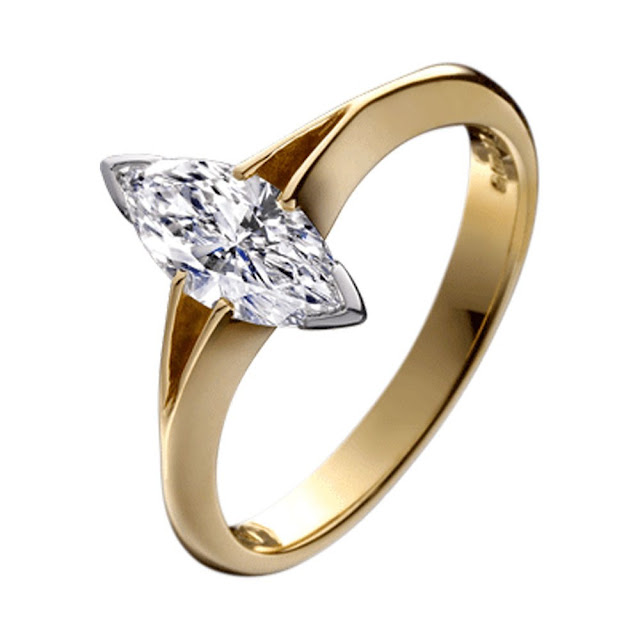
Yellow gold, the original, gets its hue from silver and copper alloys. It’s warm, classic, and pairs well with diamonds that have a slight yellow tint, making them appear whiter. White gold is yellow gold mixed with white metals like palladium or nickel, then plated with rhodium. This plating gives it that bright, silvery-white finish. Rose gold is an alloy of pure gold and copper, with varying amounts of copper dictating the intensity of the pinkish hue. More copper means a deeper red.
Here’s a quick breakdown. Don’t overthink it, just pick based on what resonates and what you’re willing to maintain.
| Gold Type | Key Characteristics | Maintenance Notes |
|---|---|---|
| Yellow Gold | Warm, traditional, timeless. Hypoallergenic for most. | Low maintenance. Resists tarnish. Easy to polish. |
| White Gold | Modern, sleek, platinum-like appearance. Enhances diamond brilliance. | Requires re-rhodium plating every 1-3 years to maintain color. |
| Rose Gold | Romantic, unique, vintage feel. Very durable due to copper content. | Low maintenance. Color doesn’t fade. Can be prone to minor tarnish over long periods. |
Matching Gold Tone to Skin Tone
This is a real factor, don’t ignore it. Yellow gold often looks stunning on warmer skin tones. White gold complements cooler skin tones incredibly well. Rose gold, with its versatile pinkish hue, tends to flatter almost any skin tone, especially those with neutral undertones. It’s not a hard rule, but it helps guide your decision. Try them on, see what feels right. That’s the only real test.
Considering Future Jewelry
Think about what other jewelry your partner wears. If they primarily wear silver or platinum, white gold will blend seamlessly. If it’s mostly yellow gold, then yellow gold is the obvious choice. Rose gold can mix well with either, offering a unique contrast. You want cohesion, not a chaotic stack of metals.
Karat Clarity: What’s the Real Deal with 10K, 14K, and 18K?
This isn’t complicated, but people screw it up all the time. Karat isn’t about size; it’s about purity. And purity directly affects durability, color intensity, and price. Higher karat means more pure gold, but it also means less strength. Don’t chase the highest number blindly. It’s often the wrong move for an engagement ring.
Pure gold is 24 karats. It’s beautiful, but it’s also incredibly soft. Too soft for a ring you’ll wear every day, for decades. That’s why gold is alloyed with other metals like copper, silver, nickel, or palladium. These metals add strength and influence the color.
18K gold is 75% pure gold (18 parts gold, 6 parts alloy). It’s rich in color, looks luxurious, and is relatively resistant to tarnish. However, its higher gold content means it’s softer than 14K gold. It’s more prone to scratching and bending under significant pressure. If you’re going for a very intricate design or a setting with delicate prongs, 18K might not be the most practical choice for long-term wear without extra care. It’s a premium option, no doubt, but consider the trade-off. It’s great for statement pieces or rings that won’t see heavy daily wear, but an engagement ring needs to be tough.
The 14K Gold Sweet Spot
This is where most people should land. 14K gold is 58.3% pure gold (14 parts gold, 10 parts alloy). It’s significantly harder and more durable than 18K gold, making it ideal for daily wear. It resists scratches and dents much better. The color is still excellent, though perhaps a touch less vibrant than 18K in yellow gold, and it’s less expensive. For an engagement ring, durability matters more than an imperceptible difference in color richness. This is your workhorse gold, the smart choice for longevity.
Understanding 10K Gold
10K gold is 41.7% pure gold (10 parts gold, 14 parts alloy). It’s the hardest and most durable of the common karat weights. It’s also the most affordable. The downside? Its color is less intense than 14K or 18K, especially in yellow gold, where it can look paler. Also, with a higher alloy content, there’s a slightly increased chance of skin reactions for those sensitive to common alloy metals like nickel, if nickel is present. For an engagement ring, 10K is often considered less traditional for its lower gold content and color. It’s extremely durable, but aesthetically, many prefer the richer look of 14K or 18K.
Setting the Standard: The Non-Negotiable Engagement Ring Settings
The setting is just as critical as the metal. It holds the stone, protects it, and defines the ring’s character. Don’t skimp here. These are the settings that prove themselves over time. You need something secure and aesthetically pleasing.
-
Solitaire Setting: This is the classic, the undisputed champion of elegance. A single diamond, held by prongs, usually four or six. It puts all the focus on the stone, allowing maximum light entry for brilliance. Simple, timeless, always a winner. It’s robust enough for daily wear, provided the prongs are inspected annually.
-
Halo Setting: A central diamond encircled by smaller pavé-set diamonds. This design makes the center stone appear larger and adds incredible sparkle. It also offers a layer of protection to the main diamond. It’s a bold look, very popular for those who want extra bling. Just know that tiny stones mean more potential for snagging or losing a small diamond if not well-maintained.
-
Pavé Setting: “Pavé” means “paved” in French, and that’s what it looks like—the band is paved with small diamonds, held by tiny beads of metal. It adds continuous sparkle to the band itself. Often used in combination with solitaire or halo settings. Visually stunning, but the tiny metal beads can wear down over time, requiring re-tipping or re-beading.
-
Bezel Setting: This is the most protective setting, bar none. The diamond is completely encircled by a thin metal rim, holding it securely. It’s incredibly durable, prevents snagging, and is ideal for active lifestyles. The downside? It can make the diamond appear slightly smaller and might reduce light entry from the sides compared to a prong setting.
-
Tension Setting: A modern, minimalist look where the diamond appears to float, held in place by the tension of the metal band. No prongs, no bezel. Visually striking, but it requires a very strong, precise setting and careful handling. Not for everyone, and repairs can be complex if the diamond shifts.
Prong Count and Durability
Four prongs offer a more open view of the diamond, potentially allowing more light in. Six prongs provide greater security, reducing the risk of the diamond falling out if one prong is damaged. For larger diamonds, six prongs are generally advisable. For active individuals, a bezel or six-prong setting is typically the safer bet.
The Bold Truth About Gold Tone Maintenance
Here’s the deal: if you pick white gold, you’re signing up for maintenance. Period. There’s no escaping it. White gold is yellow gold that’s been mixed with other white alloys and then plated with rhodium to give it that bright, platinum-like finish. That rhodium plating isn’t forever. It wears off. You’ll see the yellowish tint of the underlying gold start to show through eventually. It’s just how it works.
You’ll need to get your white gold ring re-rhodium plated every one to three years, depending on wear and tear. It costs money. It means leaving your ring at the jeweler. Don’t complain about it later if you weren’t prepared. This isn’t a flaw; it’s a characteristic of the metal. If you want a truly low-maintenance white metal, you need to look at platinum or palladium. Those metals are naturally white, so their color won’t fade.
Yellow gold and rose gold, however, maintain their color naturally. They don’t need re-plating. They might need occasional polishing to restore shine, but their fundamental color won’t change. If “set it and forget it” is your mantra, stick with yellow or rose gold. Expect to budget for white gold maintenance, or don’t choose it.
Why 24K Gold Isn’t Your Engagement Ring Solution
Let’s clear this up quickly: you don’t want a 24K gold engagement ring. It’s pure gold, yes, but it’s far too soft for daily wear. It will scratch, dent, and deform with astonishing ease. An engagement ring is meant to be worn for life, not kept in a velvet box. Don’t even consider it for something that will face the rigors of everyday life. It’s beautiful, but utterly impractical for this purpose. Get something durable.
Understanding Finishes: Polished, Brushed, or Matte?
The finish of the gold band can dramatically alter the ring’s overall look. It’s a detail often overlooked but makes a significant difference. Don’t just assume a polished finish; there are other options that might suit your style better. These aren’t just aesthetic choices; they have practical implications for how the ring wears and looks over time.
What is a Polished Finish?
A polished finish is the classic, high-shine look. It reflects light beautifully, giving the gold a brilliant, mirror-like appearance. It’s sleek, elegant, and shows off the metal’s natural luster. However, polished finishes also show scratches more readily than other finishes. Those tiny hairline scratches, known as “patina,” will accumulate over time. While they can be polished out, they are part of a regularly worn ring’s life.
How Does a Brushed Finish Differ?
A brushed (or satin) finish has a subtle, non-reflective texture. It’s created by using a wire brush to create tiny, parallel lines on the metal surface. This finish gives the gold a softer, more muted appearance. It’s popular for its modern, understated elegance and tends to hide minor scratches better than a polished finish. The downside is that a brushed finish can become smoother over time with wear, gradually taking on a more polished look in high-contact areas, requiring re-brushing to restore its original texture.
What About a Matte Finish?
A matte finish is similar to a brushed finish but even more subdued. It has a dull, non-reflective appearance, offering the lowest luster of the three. This finish is achieved through sandblasting or chemical treatments. It’s a very contemporary choice, providing a distinctive, raw look. Like the brushed finish, it effectively conceals scratches. However, it can also smooth out over time with daily wear, especially on the underside of the band. Restoring a matte finish often requires specialized tools and expertise to maintain its even, non-glossy surface.
Common Gold Ring Misconceptions, Debunked.
Enough with the myths. You need facts when you’re buying something this important. Don’t let old wives’ tales or bad advice steer you wrong. Get the actual information, then make your decision.
“Higher Karat Gold is Always Better.”
Wrong. As discussed, 24K gold is too soft. 18K is beautiful but less durable than 14K. For an engagement ring meant for daily wear, 14K gold is typically the optimal balance of purity, color, and strength. Don’t just chase the highest number. You’re buying a ring, not a bullion bar. Durability and longevity are here.
“White Gold is Hypoallergenic.”
Not necessarily. White gold is often alloyed with nickel, which is a common allergen. If you have sensitive skin or a known nickel allergy, you absolutely must verify the alloys used in the white gold. Palladium white gold is usually a safe bet, as palladium is hypoallergenic. Always ask. Don’t assume. An allergic reaction on your finger isn’t a good look.
“Rose Gold is a Trend That Will Fade.”
People have been wearing rose-colored gold for centuries. It’s not some fleeting trend that just appeared. Its popularity ebbs and flows, sure, but it’s a legitimate metal choice with a distinct aesthetic. It’s durable, unique, and often quite flattering. If you like it, get it. Don’t let anyone tell you it’s not a timeless choice. Classic styles cycle; they don’t vanish.
“You Can’t Mix Gold Colors.”
This is outdated. Mixing metals is a popular and stylish choice. A yellow gold engagement ring with a white gold wedding band, or a rose gold ring paired with either, can create a dynamic, personalized look. There are no hard and fast rules about matching every piece of jewelry. Your engagement ring should stand on its own, but it doesn’t need to perfectly match everything else you own. Embrace contrast if it feels right.
Look, choosing a gold engagement ring involves more than just picking a color. It’s about understanding the practicalities of karat, the security of the setting, and the realities of maintenance. Don’t rush it. Make an informed choice, and you’ll end up with a ring that lasts as long as your commitment. Gold has endured for millennia as a symbol; make sure your choice endures with it.