Your moisturizer isn’t working. You’ve tried three different ones this year, spent $80 on a barrier repair serum, and your skin still feels tight by noon. The problem usually isn’t the product you’re missing — it’s understanding what your skin actually needs.
Honey has been used medicinally for over 8,000 years. That’s not nostalgia. It’s a track record. Clinical research has confirmed what ancient healers knew: honey does specific, measurable things to skin, hair, and the body that most modern products don’t replicate efficiently or cheaply.
Here’s what the evidence shows — and where the hype ends.
Why Dry, Reactive Skin Stays That Way
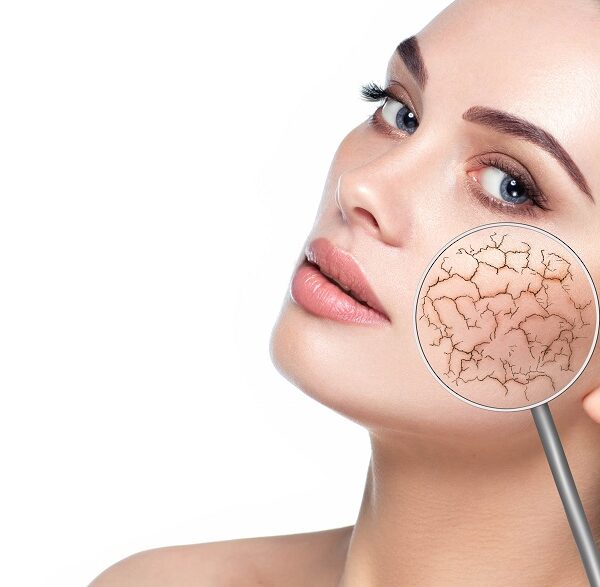
Most skin problems aren’t caused by lacking a moisturizer. They’re caused by the skin barrier failing to hold moisture in.
Your skin barrier — the stratum corneum — works like a brick wall. Dead skin cells are the bricks; lipids (ceramides, cholesterol, fatty acids) are the mortar. When that mortar breaks down, water escapes and irritants get in. You get tightness, redness, and sensitivity that no amount of product layering fixes.
This moisture escape has a name: transepidermal water loss (TEWL). High TEWL drives eczema flares, chronically dry skin, and skin that overreacts to everything. The standard fix is occlusives — petrolatum, dimethicone — that sit on top and block evaporation. That helps, but it doesn’t fix the underlying problem.
The Two Things Skin Needs to Actually Heal
Effective barrier repair needs two things working together: a humectant to attract and bind moisture, and an anti-inflammatory to calm the irritation that keeps the barrier broken. Most skincare products do one or the other.
Honey does both. Its sugar molecules — glucose, fructose, and longer-chain oligosaccharides — act as humectants, pulling water from the environment and binding it to skin. Its hydrogen peroxide content (produced enzymatically by glucose oxidase) and phenolic compounds reduce the inflammation that blocks healing.
Why Chronically Inflamed Skin Can’t Fix Itself
Inflammation breaks down barrier lipids faster than they can be replaced. In chronically inflamed skin — whether from acne, eczema, or environmental stress — this becomes a loop. Broken barrier allows more irritants in, which triggers more inflammation, which degrades more lipids.
Studies on Manuka honey show measurable reduction in Staphylococcus aureus colonization — a major driver of eczema flares and inflammatory acne. The antibacterial action interrupts the inflammation cycle at the source. That’s different from just calming inflammation temporarily with a soothing ingredient.
Honey’s Proven Skin Benefits — What Research Actually Shows
The clinical evidence here is stronger than most people expect. Honey isn’t in the vague might-help category for all of these effects.
Wound Healing and Acne Recovery
Multiple randomized controlled trials confirm honey accelerates healing of burns and chronic wounds. Medihoney — a medical-grade Manuka honey wound dressing — is FDA-cleared for clinical wound care. This is not folk medicine territory.
For acne, the mechanism is identical: honey’s low pH (3.5–4.5) creates an environment where most bacteria can’t survive, while hydrogen peroxide provides slow-release antimicrobial activity without damaging healthy tissue. Comvita UMF 15+ Manuka Honey (~$45 for 250g) is the standard product referenced in dermatology research. Used as an overnight spot treatment, it reduces pimple size and redness faster than untreated controls in clinical comparisons.
It works on inflammatory acne — the red, swollen, bacterial kind. For comedonal acne (blackheads, clogged pores without active inflammation), honey does very little. That’s a clog problem, not a bacteria problem.
Brightening and Hyperpigmentation
Honey inhibits tyrosinase — the enzyme that triggers melanin production. Regular use fades post-acne marks and evens skin tone. The effect is slower than kojic acid or arbutin but gentler, with no risk of rebound pigmentation and no photosensitivity.
A 2018 study showed measurable reduction in skin redness and improved luminosity after two weeks of daily honey masks. The Farmacy Honey Halo Ceramide Moisturizer ($42) is the best ready-made option that delivers this effect — it combines honey with ceramides and produces consistent brightening results without the mess of DIY application.
Anti-Aging: The Realistic Expectation
Honey won’t replace retinol. It won’t stimulate new collagen the way vitamin C or a dermaroller does. What it does: protect existing collagen through antioxidant phenolic compounds, reduce oxidative stress on skin cells, and slow glycation-related stiffening of the skin matrix.
Use honey as a supporting player alongside a real anti-aging routine. The COSRX Full Fit Propolis Light Ampoule ($27) uses bee-derived propolis — a related compound with even higher antioxidant activity — in a lightweight formula that layers well under vitamin C and SPF.
Hair: The Honest Short Version
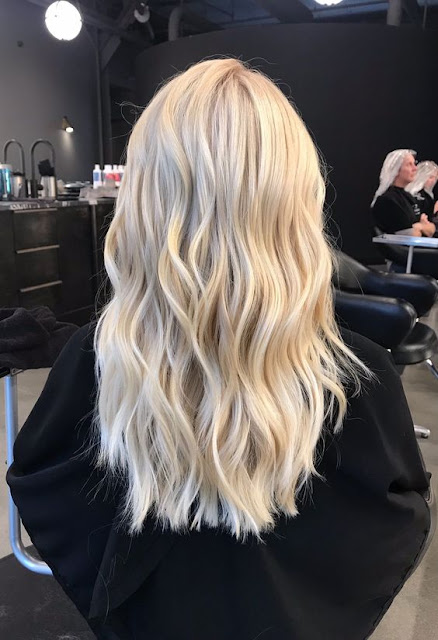
Honey makes dry, brittle hair softer and more manageable. It coats the hair shaft and reduces moisture loss the same way it works on skin. Mix two tablespoons of raw honey with two tablespoons of olive oil, apply mid-shaft to ends, cover with a shower cap for 30 minutes, then shampoo twice.
It will not repair split ends. Nothing does — that’s permanent structural damage. But as a weekly pre-wash treatment, the reduction in frizz and added slip are genuinely noticeable after the first use.
Honey vs. Other Natural Skin Treatments
People treat all natural skincare like it belongs in one category. It doesn’t. Here’s how honey compares to the alternatives people usually reach for first.
| Ingredient | Best For | Proven Effect | Main Limitation | Verdict |
|---|---|---|---|---|
| Raw Honey | Dry skin, inflammatory acne, barrier repair | Antibacterial, humectant, wound healing | Slow results, messy, useless for blackheads | Best for sensitive, inflamed skin |
| Aloe Vera | Sunburns, redness, oily skin | Cooling, anti-inflammatory, light hydration | Poor long-term moisture retention | Best for acute redness or sunburn relief |
| Tea Tree Oil | Isolated pimples, fungal issues | Strong antimicrobial at 1–2% concentration | Drying and irritating if used undiluted | Best single-spot pimple treatment |
| Rosehip Oil | Hyperpigmentation, fine lines | Vitamin A and C activity, proven brightening | Oxidizes quickly; no antibacterial activity | Best for pigmentation and fine lines |
| Turmeric | Inflammation reduction | Curcumin reduces inflammation markers | Stains skin and fabric yellow | Better in formulated products than DIY |
For dry, sensitive, inflamed skin: honey wins. For oily or congested skin with persistent blackheads: salicylic acid (Paula’s Choice BHA 2%, $34) or niacinamide (The Ordinary Niacinamide 10% + Zinc 1%, $6) will outperform honey for your specific concern.
Internal Health Benefits That Are Actually Backed
Honey’s internal benefits range from well-documented to wildly overstated. This is the filtered list — only what has credible research behind it.
- Cough suppression: A 2026 systematic review in BMJ Evidence-Based Medicine found honey outperformed usual care (antihistamines, expectorants) for acute cough. One to two teaspoons before bed is the clinically studied dose.
- Wound and burn care: Medihoney dressings are FDA-cleared for clinical wound care. The antibacterial and osmotic healing effects are among the most documented in natural medicine.
- Prebiotic support: Raw honey contains oligosaccharides that feed beneficial gut bacteria. The effect is modest but consistent with repeated use. Heat destroys these compounds — skip the hot liquid if gut health is your goal.
- Antioxidant intake: Darker honeys have significantly higher phenolic content. Y.S. Eco Bee Farms Raw Buckwheat Honey ($15 for 13.5oz) has among the highest antioxidant scores of any commercially available honey — higher than most Manuka varieties at standard serving sizes.
- Oral bacteria reduction: Manuka honey applied to the gums or chewed in raw honeycomb form reduces bacteria associated with plaque and gingivitis. Clinical studies confirm this at UMF 10+ concentration.
- Sleep support: A small insulin response from honey allows tryptophan to cross the blood-brain barrier more readily. A teaspoon in warm chamomile before bed has a real physiological mechanism behind it.
- Blood sugar comparison: Honey raises blood glucose more slowly than refined sugar (glycemic index ~58 vs. ~65). Not a diabetic-friendly food, but marginally better than white sugar at scale.
What honey won’t do: cure bacterial infections that require antibiotics, meaningfully boost immunity in any clinical sense, or replace actual medical care. The overclaiming in this space is embarrassing. Stick to what’s documented.
Which Honey to Buy — The Only Breakdown You Need
The processing difference between honey types is enormous. Most people buy the wrong kind and then conclude honey doesn’t work.
Manuka Honey: When the Premium Makes Sense
Manuka honey from New Zealand contains methylglyoxal (MGO) — an antibacterial compound unique to Leptospermum scoparium flowers that survives processing and digestion in concentrations far beyond regular honey. The UMF (Unique Manuka Factor) rating measures this potency through independent third-party verification.
For topical skincare: UMF 10+ is sufficient. Comvita UMF 10+ runs about $30 for 250g. For active wound care or meaningful internal antibacterial use: go to UMF 15+ or MGO 400+. Mānuka Health MGO 400+ (~$55 for 250g) has reliable independent certification. Wedderspoon KFactor 16 (~$25 for 300g) is the best value option with credible verification.
Don’t buy unlabeled Manuka honey from supermarkets. Mislabeling in this category is well-documented — far more Manuka honey is sold globally each year than New Zealand actually produces. If there’s no UMF number or MGO rating on the label, it’s probably not real Manuka.
Raw Honey: The Everyday Choice
Raw honey retains pollen, enzymes, propolis, and trace compounds that heating and filtering destroy. For daily skincare and internal benefits, raw honey is the right call for most people — at a fraction of Manuka’s price.
Really Raw Honey ($18 for 22oz) and Nature Nate’s 100% Pure Raw and Unfiltered Honey ($14 for 16oz) are both genuinely unprocessed and widely available. The grocery store bear bottle — pasteurized, filtered, often adulterated — has almost none of these beneficial properties. Don’t use it for skin applications. It’s essentially sugar syrup.
Buckwheat Honey for Maximum Antioxidants
For internal antioxidant intake specifically, buckwheat honey outperforms Manuka on a cost-per-phenolic-compound basis. Darker, stronger-tasting, and significantly cheaper. Y.S. Eco Bee Farms Raw Buckwheat Honey ($15 for 13.5oz) is the benchmark product in nutritional research on honey antioxidants.
When Honey Makes Things Worse
Honey is not universally good for skin. For specific skin types and conditions, it actively works against you.
Oily or Congested Skin
Honey is a humectant. On skin that already over-produces sebum, attracting more moisture without proper barrier support can worsen congestion and encourage clogged pores. If your primary concerns are blackheads, large pores, or persistent oiliness — honey is the wrong tool. The Ordinary Niacinamide 10% + Zinc 1% ($6) does more for oil control and pore appearance in one week than months of honey masks will.
Bee or Pollen Allergies
Raw honey contains pollen. Contact dermatitis from topical honey application is documented in people with bee product or seasonal pollen allergies. Patch test on your inner arm for 48 hours before applying to your face. Every time, with every new jar.
Applying It Wrong Cancels the Benefits
Honey on dry skin in a low-humidity room pulls moisture from the skin rather than the air — the exact opposite of the intended effect. Apply only to damp skin. Rinse fully before moisturizing; leaving honey under an occlusive traps bacteria against the skin. And never mix raw honey with high-pH ingredients like baking soda — honey’s effectiveness depends on its low pH (3.5–4.5), and alkalizing it destroys the hydrogen peroxide activity entirely.
- Dry, sensitive, inflamed skin: Raw honey mask 3x weekly — Comvita UMF 10+ Manuka for spot treatment
- Oily or congested skin: Skip honey. Use The Ordinary Niacinamide 10% or Paula’s Choice BHA 2% instead
- Post-acne marks: Raw honey mask weekly, mixed with a few drops of rosehip oil
- Dry or color-treated hair: Raw honey + olive oil pre-wash treatment, weekly
- Cough or gut support: 1–2 tsp raw or buckwheat honey daily, not dissolved in hot liquid
- Maximum antibacterial effect: Mānuka Health MGO 400+ topically, Wedderspoon KFactor 16 internally