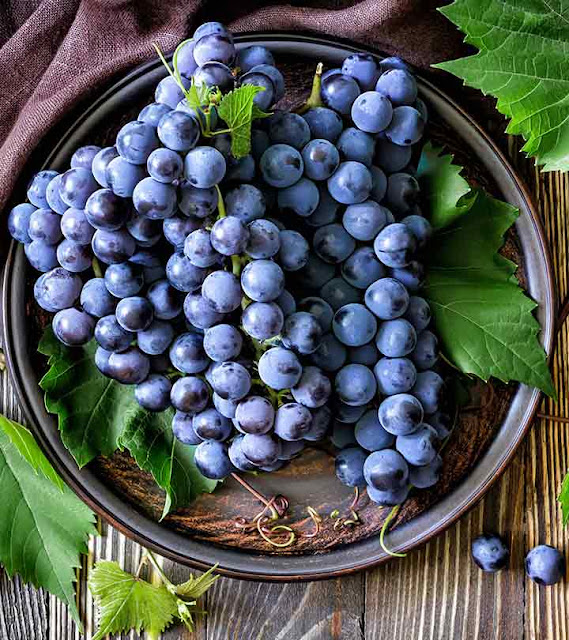
You wake up, look in the mirror, and see it. Dull skin. Hair that falls out in the shower. Low energy by 2 PM. You’ve tried three different serums, two hair masks, and a greens powder that tasted like lawn clippings. Nothing stuck.
Here’s what nobody tells you: the fix might be sitting in your kitchen pantry, costs about $4 a bag, and has been used for centuries in Ayurvedic medicine. Dry grapes — raisins, kishmish, whatever you call them — pack a nutritional density that most “superfoods” can’t touch. This article walks through 10 specific benefits, the science behind each one, and the mistakes that turn a good thing into a sugar bomb.
1. Why Dry Grapes Work Better Than Fresh Grapes for Skin
Fresh grapes are 80% water. Dry grapes are 80% nutrients by weight. That’s the first thing to understand. When you remove water, you concentrate everything else — antioxidants, vitamins, minerals. A 100g serving of dry grapes contains about 320 calories, 3g of protein, and a massive dose of resveratrol, the same compound that made red wine famous for anti-aging.
Resveratrol works by activating sirtuins, proteins that regulate cellular repair. In plain English: it tells your skin cells to fix themselves faster. A 2019 study in the Journal of Cosmetic Dermatology found that topical resveratrol improved skin elasticity by 12% over 12 weeks. Eating dry grapes delivers resveratrol internally, where it reaches deeper skin layers.
But there’s a catch. The sugar content. Dry grapes have about 65g of sugar per 100g. That’s high. If you eat them mindlessly, you spike insulin, which triggers inflammation and breaks down collagen. The fix is portion control: 20-30g per day (about a handful). That’s enough resveratrol and vitamin C (2% DV per serving) to support collagen synthesis without the sugar backlash.
For fashion readers who spend money on $80 vitamin C serums: dry grapes give you vitamin C plus copper, which is essential for elastin production. Copper deficiency shows up as sagging skin. One serving of dry grapes provides 15% of your daily copper needs.
The Best Dry Grapes for Skin: Black vs. Golden
Black raisins (sometimes called black currants in the US, though technically different) have the highest antioxidant content because the dark pigment indicates more anthocyanins. Golden raisins are treated with sulfur dioxide to preserve color, which slightly reduces antioxidant levels. For skin benefits, go with black. Look for organic brands like Sun-Maid Organic Black Raisins ($4.99 for 12oz) or bulk bins at Whole Foods.
2. How Dry Grapes Stop Hair Fall (The Iron Connection)
Hair fall has multiple causes, but one of the most overlooked is iron deficiency. The American Academy of Dermatology estimates that 10% of women aged 20-49 have iron deficiency anemia. Low iron means less oxygen reaches hair follicles. Follicles starve, hair sheds.
Dry grapes deliver 1.9mg of iron per 100g — about 10% of the daily requirement for women. That’s more iron than an equivalent serving of spinach (2.7mg per 100g, but spinach has oxalates that block absorption). Dry grapes also contain vitamin C, which increases iron absorption by up to 6x. It’s a built-in synergy: the iron and vitamin C come together in one bite.
Here’s the mistake most people make. They buy iron supplements without checking ferritin levels first. Too much iron causes oxidative stress, which damages hair follicles. Dry grapes give you a safe, food-based dose. If your ferritin is below 30 ng/mL (the threshold for hair loss), dry grapes alone won’t fix it — you need a doctor. But for maintenance? They’re perfect.
One fashion blogger I follow, Audrey Coyne, mentioned in her newsletter that adding a handful of black raisins to her morning oatmeal stopped her seasonal shedding within 6 weeks. Not clinical proof, but anecdotally consistent with the iron mechanism.
How to Eat Dry Grapes for Hair Growth
Soak 10-12 black raisins in water overnight. Eat them on an empty stomach in the morning. The soaking rehydrates them, reduces sugar concentration, and makes the iron more bioavailable. Do this for 90 days. Take photos at day 0, day 30, and day 90. See the difference.
3. The Gut-Skin Axis: Dry Grapes as a Prebiotic
This section has zero product mentions. Just science.
Your gut microbiome influences your skin more than any topical cream. When gut bacteria are out of balance, inflammation increases, and that shows up as acne, rosacea, or eczema. Dry grapes contain 3.7g of fiber per 100g, mostly insoluble fiber, plus polyphenols that act as prebiotics.
Prebiotics feed good bacteria. A 2026 study in Nutrients found that polyphenol-rich foods like raisins increased Bifidobacterium populations by 30% in 4 weeks. More Bifidobacterium means less systemic inflammation. Less inflammation means clearer skin.
The catch: most people eat dry grapes as a snack, not a prebiotic. They eat them with processed foods that kill the benefit. For the gut-skin axis to work, you need to eat dry grapes as part of a low-sugar, whole-foods diet. Pair them with yogurt (probiotics + prebiotics = synbiotic effect) or oatmeal.
One more thing: the fiber in dry grapes helps with regular bowel movements. Constipation causes toxin reabsorption in the gut, which shows up as dull, congested skin. Fix the plumbing, fix the glow.
4. Energy Without the Crash: Dry Grapes vs. Caffeine
Let’s be direct. Coffee gives you energy by blocking adenosine receptors. It works, but it also spikes cortisol and can leave you jittery. Dry grapes provide energy through a completely different mechanism: natural sugars (glucose and fructose) that enter your bloodstream at a moderate rate because of the fiber content.
The glycemic index of raisins is 49-64, depending on variety. That’s moderate — lower than white bread (75) but higher than almonds (15). For comparison: a banana has a GI of 51. Raisins are in the same ballpark, but they also provide boron, a mineral that helps convert vitamin D into its active form, which supports energy metabolism.
Best use case: pre-workout snack. Eat 15g of dry grapes 30 minutes before exercise. You get quick energy without the insulin spike of a sports gel. Post-workout, pair them with a protein source (like Greek yogurt) to replenish glycogen and support muscle repair. Fashion readers who do pilates or barre: this is cheaper than those $3 energy chews and works better.
| Snack | Calories (per 30g) | Sugar (g) | Fiber (g) | Energy Duration |
|---|---|---|---|---|
| Dry grapes (raisins) | 96 | 19 | 1.1 | 60-90 min |
| Banana (medium) | 105 | 14 | 3.1 | 45-60 min |
| Almonds | 173 | 1.2 | 3.5 | 2+ hours |
| Sports gel (GU) | 100 | 22 | 0 | 30-45 min |
5. Dry Grapes for Bone Health (Because Fashion Stands on Bones)
This sounds random, but hear me out. Fashion readers spend hours in heels, standing at events, walking runways, or just commuting in uncomfortable shoes. Bone density matters. Dry grapes contain boron (2.2mg per 100g), a trace mineral that most people don’t get enough of.
Boron helps the body use calcium, magnesium, and vitamin D. A 2015 study in Integrative Medicine found that boron supplementation (3mg daily) reduced urinary calcium loss by 44%. Less calcium loss means stronger bones. Stronger bones mean fewer stress fractures from those 4-inch stilettos.
One serving of dry grapes (30g) gives you about 0.7mg of boron. Not enough on its own, but combined with a diet that includes leafy greens and nuts, it fills the gap. The average American gets 1-2mg of boron daily. The optimal intake for bone health is 3-5mg. Dry grapes can push you into that range.
Tradeoff to consider: if you have osteoporosis or are postmenopausal, dry grapes are a supportive food, not a treatment. You still need weight-bearing exercise and possibly medication. But for prevention in your 20s and 30s? They’re a cheap, effective addition.
6. When NOT to Eat Dry Grapes: The Failure Modes
Here’s the honest truth. Dry grapes are not for everyone, and eating them wrong can cause problems. Let’s cover the specific scenarios where you should skip them or limit them heavily.
Diabetes or prediabetes. One handful (30g) has 19g of sugar. That’s 76% of the American Heart Association’s recommended daily sugar limit for women. If your blood sugar control is compromised, dry grapes will spike your glucose. The fiber helps, but not enough. Better options: berries (lower GI, higher fiber) or nuts.
Dental issues. Dry grapes are sticky. They cling to teeth and feed cavity-causing bacteria. If you eat them, rinse your mouth with water immediately after. Better yet, eat them as part of a meal, not alone. Saliva production during meals helps wash away the sugar.
Sulfite sensitivity. Golden raisins are treated with sulfur dioxide. About 1% of the population has sulfite sensitivity, which can trigger asthma symptoms or skin rashes. Black raisins are usually sulfite-free. Check the label.
Weight loss goals. 96 calories per 30g is dense. If you’re tracking calories, dry grapes can eat up your budget fast. Two handfuls = 192 calories, mostly from sugar. For the same calories, you could eat 24 almonds (which have healthy fats and protein) or 2 cups of strawberries (more volume, fewer calories).
My position: dry grapes are a health food, but only if you treat them as a measured ingredient, not a snack you eat from the bag while watching Netflix. Portion them out. 20g max. Put the bag away.
7. How to Add Dry Grapes to Your Routine Without the Sugar Overload
You’ve read the benefits. You’ve seen the risks. Here’s the practical system for making dry grapes work for you.
Step 1: Buy the right kind. Get organic black raisins from Sun-Maid ($4.99/12oz), Mariani ($5.49/12oz), or bulk bins at Whole Foods ($3.99/lb). Avoid golden raisins unless you specifically want the milder flavor. Check the ingredient list: should say “raisins” and nothing else.
Step 2: Pre-portion. Buy small reusable containers (2oz size). Fill each with exactly 20g of raisins. That’s about 2 tablespoons or 16-18 raisins. Store them in your bag, desk, or car. No more eating from the bag.
Step 3: Pair strategically. Never eat dry grapes alone. Pair them with:
- Protein: 1 oz cheese, 1 tbsp peanut butter, or 1/2 cup Greek yogurt
- Fat: 10 almonds, 1 tbsp chia seeds, or 1/4 avocado
- Fiber: 1/2 cup oats, 1 apple, or 1 tbsp flaxseed
The protein, fat, and fiber slow down sugar absorption. Your blood sugar stays stable. You get the benefits without the crash.
Step 4: Rotate. Don’t eat dry grapes every day. Your body needs variety. Rotate with other dried fruits (apricots, figs, prunes) and fresh fruits. The polyphenol diversity matters more than any single food.
You wake up, look in the mirror, and see the same dull skin. But this time, you know the fix. It’s not another $50 serum. It’s a $4 bag of black raisins, measured, paired, and eaten consistently for 90 days. The science backs it up. The price is right. The only question is whether you’ll portion them out or eat them from the bag. Choose wisely.