Are the best heels sandals for women the prettiest pair on the shelf, or the pair you can still wear after three hours? The answer comes down to balance, pressure, and the setting where you plan to wear them. A thin stiletto can look elegant in photos but punish your forefoot on hard floors. A low block heel may look less dramatic yet carry you through a wedding, dinner, or work event with far fewer problems.
What makes a heeled sandal worth buying?
A heeled sandal solves a simple style problem: it adds height and polish while leaving more of the foot open than a pump or boot. That open design also creates risk. Straps can rub, the heel can slide, and the forefoot can push forward until your toes hang over the edge. The right shoe manages those forces instead of relying on appearance alone.
Heel shape matters more than height
A block heel between 2 and 3.5 inches gives a wider landing area than a narrow stiletto. That extra surface helps reduce side-to-side wobble on pavement and polished floors. A wedge spreads weight across more of the sole, making it the strongest choice for outdoor events. Kitten heels work well when you want a dressy line without the steep angle created by a four-inch heel.
Coverage creates control
Look for an adjustable ankle strap, a secure toe band, and a footbed that does not let your foot slide. Minimal straps look refined, but one very thin strap has to carry more pressure than two or three wider straps. For most women, the best everyday option is a medium heel with a padded footbed, firm ankle adjustment, and enough toe coverage to stop forward movement.
How should women check the fit before wearing heels?
Fit should be checked while standing, not while sitting. Your foot spreads under body weight, and the extra length can change the way a sandal feels. Try shoes late in the day when feet are slightly larger. Wear the hosiery or foot liners you expect to use. Walk on a hard surface for at least five minutes, then check for pressure points.
Use the three-point fit test
- Check the toes. They should stay inside the front edge without curling or spilling over the sides.
- Check the arch. The highest point of the shoe should sit under your arch, not behind it.
- Check the heel. Your heel should remain centered without lifting more than a few millimeters as you walk.
Do not size around a bad strap
A strap that cuts into the skin is not a problem you should solve by buying a larger size. A larger sandal may reduce pressure in one spot while making the foot slide forward. Instead, choose a wider strap, softer leather, or a style with an adjustable buckle. If one foot is larger, fit the larger foot first and add a thin cushion to the smaller side only after the shoe passes the walking test.
The clear verdict: a sandal that feels secure after ten minutes is a safer purchase than a beautiful sandal that already causes numbness.
Which heel sandal style fits each occasion?
The right heel depends on the surface, walking distance, and dress code. A shoe that works at a seated dinner may fail at an outdoor ceremony. Use this comparison before choosing a silhouette.
| Style | Useful heel range | Best setting | Main risk | Verdict |
|---|---|---|---|---|
| Kitten heel | 1.5–2 inches | Office, daytime events | Less dramatic height | Best for long wear with a polished look |
| Block heel | 2–3.5 inches | Work, weddings, dinners | Can look heavy with thin straps | Best all-round choice |
| Platform sandal | 3.5–5 inches overall | Parties and evening outfits | Weight and ankle roll | Best when height matters more than walking |
| Wedge | 2.5–4 inches | Grass, travel, summer events | Harder to style with formal clothes | Best for outdoor stability |
| Stiletto sandal | 3.5–5 inches | Short events and formal photos | Forefoot pressure | Best for impact, not distance |
For one pair that earns frequent wear, choose the block heel. It gives enough lift to sharpen trousers, midi dresses, and skirts without demanding the balance of a stiletto. Choose a wedge only when the event involves grass, gravel, or long outdoor walks.
Which specific sandals give the strongest value?
My clear value winner is the Naturalizer Bristol Dress Sandal. Its block heel, adjustable buckle, wide toe strap, and cushioned insole make it the most practical choice for women who want a dress shoe they can keep on for several hours. Listed prices have appeared around $87.99, though color and sale pricing can change.
Best for repeated wear: Naturalizer Bristol
The Bristol works because it treats comfort as part of the structure rather than an added detail. The wider toe strap helps hold the foot in place, while the block heel gives more stability than a narrow heel. Pick this style for a wedding guest outfit, desk-to-dinner dressing, or a summer event where standing is likely. It is not the most delicate sandal, but that is exactly why it is the strongest practical recommendation.
Best for a lower, refined heel: Schutz Carolyn
The Schutz Carolyn Kitten Heel Sandal is a better choice when you want a slimmer look without committing to a high heel. Nordstrom listings have shown it at about $138. Its lower profile suits tailored trousers, satin skirts, and daytime dresses. The tradeoff is clear: it offers less visual height and may feel less supportive than a broad block heel. For elegant comfort at a seated event, Carolyn is the better pick.
Best budget statement heel: Steve Madden Carrson
The Steve Madden Carrson uses a four-inch block heel, an adjustable ankle buckle, and a single upper strap. Its original listed price has been $99.95, with sale prices sometimes near $59.99. Choose it for parties and short evening events. Do not choose it for a full day of walking. The height is attractive, but the single toe strap gives the forefoot less support than the Bristol.
Three buying tips separate these options. Check the return window before ordering. Compare the heel measurement rather than trusting words such as comfortable or walkable. Finally, wear the sandal indoors on a clean floor before removing the tags.
What causes heel sandals to fail after one event?
Most sandal failures are predictable. The buyer chooses a size based on a favorite sneaker, ignores the slope from toe to heel, or assumes a soft upper will fix a poor shape. Comfort materials cannot correct a footbed that is too short or a heel that sits outside your natural center.
Common mistakes to avoid
- Buying a high heel for an event held on grass, cobblestones, or uneven pavement.
- Choosing a completely open toe when your foot slides forward in every sandal.
- Ignoring strap placement because the shoe looks good from the front.
- Wearing a new pair for the first time at a wedding or important dinner.
- Using thick gel pads to force a poor fit instead of exchanging the shoe.
When not to buy a high heel
Skip a four-inch heel if you expect to walk more than a mile, stand for several hours, or move across uneven ground. Choose a lower block heel or wedge instead. Also skip a barely-there style if you have a narrow heel and regularly experience slipping. More straps and an adjustable buckle will give you better control. The strongest consumer choice is the shoe that matches the event rather than the shoe with the most dramatic product photo.
Do comfortable heeled sandals have to look practical?
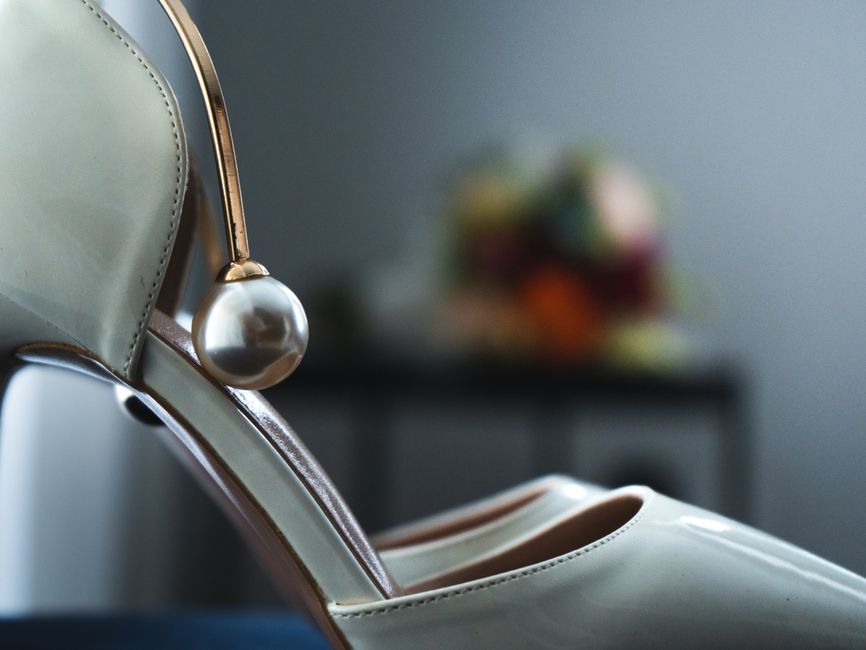
Not at all. Comfort changes the design details you prioritize, not the overall style direction. A metallic block heel can look just as formal as a stiletto. A nude kitten heel can lengthen the leg without adding height. A square toe can create a modern shape while giving the toes more room than a sharply pointed front.
Can a block heel look formal?
Yes. Choose a narrow block heel, slim ankle strap, satin finish, or polished leather. The Naturalizer Bristol reads as practical in a simple color, but a metallic version can work with a cocktail dress. The key is proportion: a heavy platform with a delicate dress may look disconnected, while a refined two-inch block heel usually blends well.
Are expensive sandals automatically better?
No. Price can reflect leather, construction, or brand positioning, but it does not guarantee a good match for your foot. The Schutz Carolyn at about $138 may be a better buy than a more expensive stiletto if you need a wearable daytime heel. Pay for the feature that solves your problem: cushioning, adjustable straps, a stable heel, or a wider toe shape.
The practical verdict is simple: style and comfort meet when the heel shape suits the event and the straps hold the foot without pressure.
Which pair should you choose?
For most women, the Naturalizer Bristol Dress Sandal is the strongest overall choice because its block heel, adjustable fit, and cushioned footbed cover more real-life situations than a high stiletto. Choose the Schutz Carolyn when you want a lower, elegant sandal for office outfits or seated events. Choose the Steve Madden Carrson when you want a higher statement heel for a short party or evening look.
Do not buy based on heel height alone. Compare the surface under the heel, the space across the toes, the number of adjustable straps, and the amount of walking your event requires. Prices vary by color, size, retailer, and sale period, so treat the figures below as useful reference points rather than permanent promises.
| Best for | Recommended sandal | Heel profile | Reference price |
|---|---|---|---|
| Longer wear | Naturalizer Bristol Dress Sandal | Stable block heel | About $87.99 |
| Polished low heel | Schutz Carolyn Kitten Heel Sandal | Kitten heel | About $138 |
| Evening height | Steve Madden Carrson | 4-inch block heel | $99.95 original listing |