You leave your hotel in Tokyo at 8 a.m. wearing a light sweater, then spend the afternoon walking through Asakusa in bright sun. By evening, the temperature drops, a shower starts, and your shoes feel too stiff for another 12,000 steps. That is the real clothing problem behind Japan spring travel: one outfit must handle changing temperatures, crowded trains, uneven pavement, and a lot of walking.
The strongest approach is a light base, a flexible middle layer, a packable outer layer, and shoes you have already broken in. Spring weather changes by region, but the basic outfit system works from Tokyo and Kyoto to Osaka and Hiroshima. The goal is not to copy a costume version of Japanese style. It is to look polished while staying comfortable from the first train to the last restaurant.
What should you wear in Japan during spring?
Choose layers instead of one heavy statement piece. March can feel cold in the morning, while late April often feels mild during the day. Cherry blossom viewing also means standing outside for long periods, so an outfit that works only while walking will fail at a park or riverside picnic.
Build around a breathable base
Start with a cotton T-shirt, a fine merino top, or a long-sleeve AIRism Cotton T-Shirt from Uniqlo. A neutral base in white, navy, charcoal, or cream works with every second layer and looks clean in photos. Avoid thick thermal underwear once daytime temperatures rise; it traps heat on packed trains and becomes difficult to remove discreetly.
Add one useful middle layer
A cardigan, lightweight crewneck, overshirt, or MUJI washed cotton shirt gives you temperature control. The MUJI shirt works especially well because it can be worn open over a tee, buttoned under a jacket, or tied around the waist. Pick a relaxed but tidy cut. Oversized clothing is useful, but sleeves that drag through ramen broth or crowded train doors are a bad trade.
Finish with a light shell
A compact rain jacket or short trench handles wind and showers better than a heavy wool coat. The Uniqlo Ultra Light Down jacket is a strong option for colder March evenings because it packs into a small pouch. For warmer April trips, use a water-resistant shell instead. The clear verdict: pack one insulating layer and one rain-resistant layer, not three bulky sweaters.
How do Japan spring temperatures change by city?
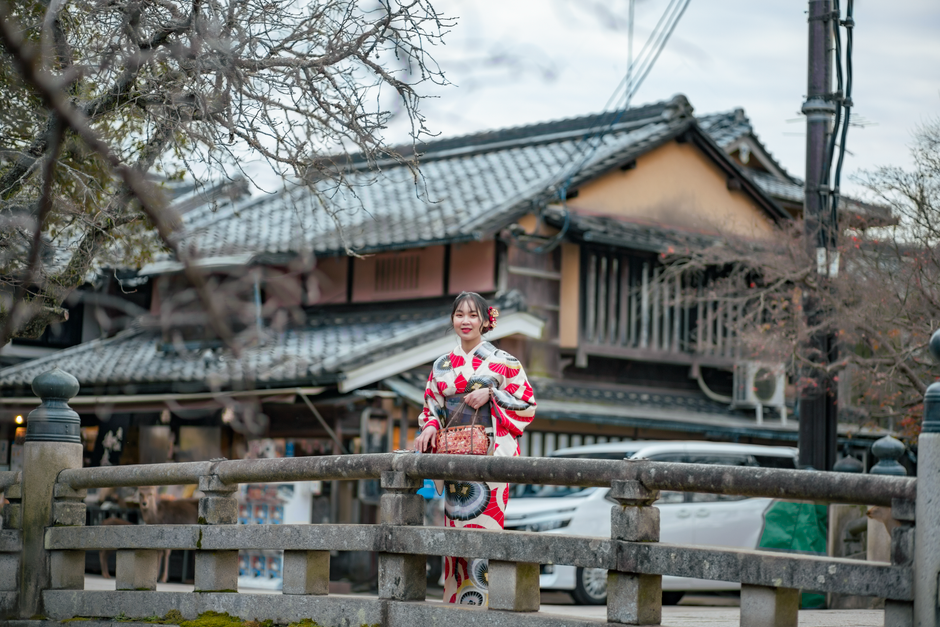
Weather is a packing risk, not a reason to abandon style. The same outfit formula can work across Japan if you adjust the weight of the outer layer and keep one dry backup in your day bag. Use the table as a planning guide rather than a promise; daily forecasts still matter before departure.
| Destination | Typical spring pattern | Best clothing adjustment | Shoe priority |
|---|---|---|---|
| Tokyo | Cool mornings, mild afternoons, occasional rain | Light jacket over a tee and cardigan | Cushioned sneaker with water resistance |
| Kyoto | Cooler evenings and long outdoor walking days | Add a thin scarf or packable down layer | Supportive sneaker or low-profile walking shoe |
| Osaka | Mild daytime weather with windy or wet spells | Use a shell that folds into a tote | Flexible sole for city pavement |
| Hokkaido | Colder early spring conditions | Use a warm mid-layer and closed coat | Weatherproof shoe with grip |
| Okinawa | Warmer, humid, and more casual | Choose linen, cotton, and short sleeves | Breathable sneaker or clean sandal |
The winner for a multi-city trip is a midweight capsule: two breathable tops, one overshirt, one cardigan or fleece, and one shell. That combination handles more situations than a single thick coat and leaves space for souvenirs.
Which shoes work for walking-heavy Japan trips?
Walking shoes decide whether an otherwise good outfit survives the day. Japan rewards neat, versatile footwear, but appearance should not hide a poor sole. You may walk between stations, stand in museum queues, climb temple steps, and remove your shoes several times.
Best polished sneaker option
The Onitsuka Tiger Mexico 66 suits slim trousers, denim, midi skirts, and wide-leg pants. Its low profile looks sharper than a bulky running shoe, which makes it a good choice for travelers who want a more styled outfit. The tradeoff is limited cushioning compared with a modern trainer. Wear it on shorter days first and add a thin comfort insole only if the fit leaves enough room.
Best comfort-first option
The New Balance 574 gives you more cushioning and a broader base for long city days. It works with relaxed jeans, cargo trousers, and casual skirts. Choose gray, cream, navy, or black so it does not dominate every outfit. It is the better pick for Kyoto walking routes, station transfers, and travelers who already know they need more support.
When not to choose fashion sneakers
Do not bring brand-new shoes, slippery leather soles, tall heels, or shoes that need special socks. A clean pair of Adidas Stan Smiths can work for light walking, but they are not my first choice for a full sightseeing day because the flat sole offers less support. The clear recommendation is simple: take one broken-in sneaker with cushioning and one lighter backup, then leave dress shoes at home unless your itinerary includes a formal event.
How can you make spring outfits look Japanese without overdoing it?
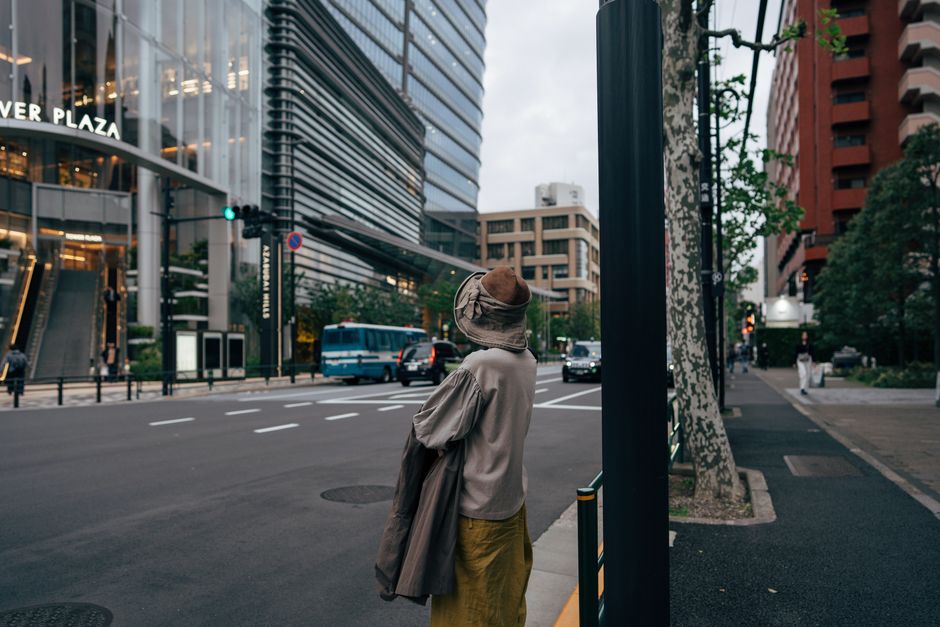
Start with proportion, not novelty. The most useful Japanese-inspired outfit ideas use simple colors, relaxed shapes, and one deliberate contrast. You do not need a full head-to-toe streetwear look.
- Pair a fitted base with one relaxed layer, such as a ribbed tee under a boxy overshirt.
- Use a quiet color palette: black, cream, stone, navy, olive, or faded denim.
- Balance wide-leg trousers with a shorter jacket or a tucked top.
- Keep one accessory visible, such as a small crossbody bag, baseball cap, silk scarf, or silver ring.
- Choose fabrics that survive folding. Cotton twill, denim, nylon, and lightweight knitwear recover better than delicate linen after a long train ride.
Three outfit formulas that photograph well
For Tokyo, try straight-leg dark denim, a white tee, a cropped utility jacket, and Onitsuka Tiger Mexico 66 sneakers. For Kyoto, wear a midi skirt with a fine knit, a short trench, ankle socks, and New Balance 574s. For Osaka, use wide-leg black trousers, a striped MUJI shirt, a small shoulder bag, and a packable rain shell.
Avoid wearing every trend at once. Harajuku, Shimokitazawa, and Shibuya have expressive style, but visitors usually look more comfortable when they choose one strong shape or accessory instead of copying an entire subculture.
What mistakes ruin a Japan spring travel wardrobe?
The most common packing errors come from treating spring as one fixed season. The second mistake is planning outfits by appearance alone, without testing how they feel after a full day outside.
Failure mode: packing only warm-weather clothes
Late March mornings can feel cold, especially beside rivers or open temple grounds. A cardigan and compact shell solve this problem without forcing you to carry a winter coat. If you are traveling north, replace the cardigan with a warmer insulated layer.
Failure mode: choosing delicate or high-maintenance fabrics
Silk, thin white trousers, and fabrics that wrinkle after one fold may look elegant at breakfast but create stress by dinner. Bring pieces that tolerate hand washing, light rain, and repeated wear. A dark overshirt hides travel marks better than a pale jacket.
Failure mode: ignoring dress codes and shoe removal
Some restaurants, temples, ryokan, and private homes require shoes to come off. Wear socks without holes and avoid complicated laces. A long dress can be awkward when sitting on a floor, while extremely short skirts may feel uncomfortable on crowded trains or temple visits. The best outfit is one that respects the setting and still feels like your own.
What is the best Japan spring outfit capsule?
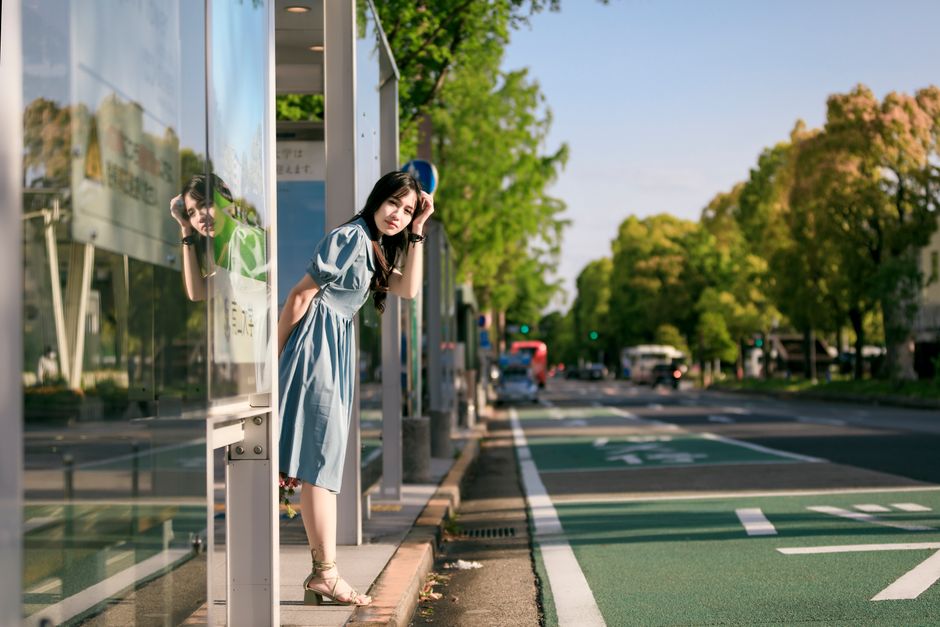
For most travelers, the winning capsule is five tops, three bottoms, two layers, one shell, and two pairs of shoes. That gives you enough combinations for a week without filling a suitcase.
Pack this core set
Bring two T-shirts, one long-sleeve top, one fine knit, one overshirt, straight-leg jeans, wide-leg trousers, a midi skirt or second casual trouser, a cardigan, a compact rain shell, and comfortable sneakers. Add a small crossbody bag with a secure zipper. A foldable tote helps with purchases without turning your main bag into a heavy shoulder load.
Use a simple daily rotation
Wear the jeans with the tee and shell on the travel day. Rotate the wide-leg trousers with the overshirt for city sightseeing. Use the midi skirt with the knit and cardigan for a softer Kyoto look. On a rainy day, switch to darker bottoms and the water-resistant shell. These combinations look different without requiring a new outfit for every photograph.
For outfit ideas Japan spring travelers can trust, choose comfort-first layers, one polished sneaker, and fabrics that recover from packing. The specific winner is a breathable base with a MUJI overshirt, a light Uniqlo insulating layer, and broken-in New Balance 574 sneakers for long walking days. That setup handles the widest range of weather and keeps your wardrobe practical from Tokyo streets to Kyoto temple paths.