Why an Outfit Planning Notes App Beats Closet Guessing
The real problem is decision fatigue
Use a notes app as a visual outfit library, not a list of clothes. That distinction matters. A list tells you that you own black trousers, a white shirt, and ankle boots. It does not tell you if those pieces create one sharp outfit or three awkward combinations. Outfit planning works when you save complete looks that already make sense.
The basic problem is memory. You remember the item you like, but forget the outfit that made it useful. You buy another jacket because you cannot recall whether your current one works with your work trousers. Then your closet grows while your actual choices stay narrow. A notes app gives those choices a permanent home. One photo, a short label, and a few useful details can save five minutes every morning.
What a useful outfit note contains
Every saved look needs four pieces of information: the occasion, the weather, the clothing combination, and the reason the outfit works. Write “office, 12°C, black trousers, pale blue shirt, loafers, wool coat” instead of “nice work outfit.” Add a mirror photo if you can. The photo catches proportion problems that words miss, such as a shirt hem showing too much under a cropped jacket.
The winning approach is simple: save outfits you have actually worn, then repeat them with small changes. Your notes app becomes a record of proven combinations instead of a mood board full of clothes you do not own.
How to Build Your First Outfit Planning Note
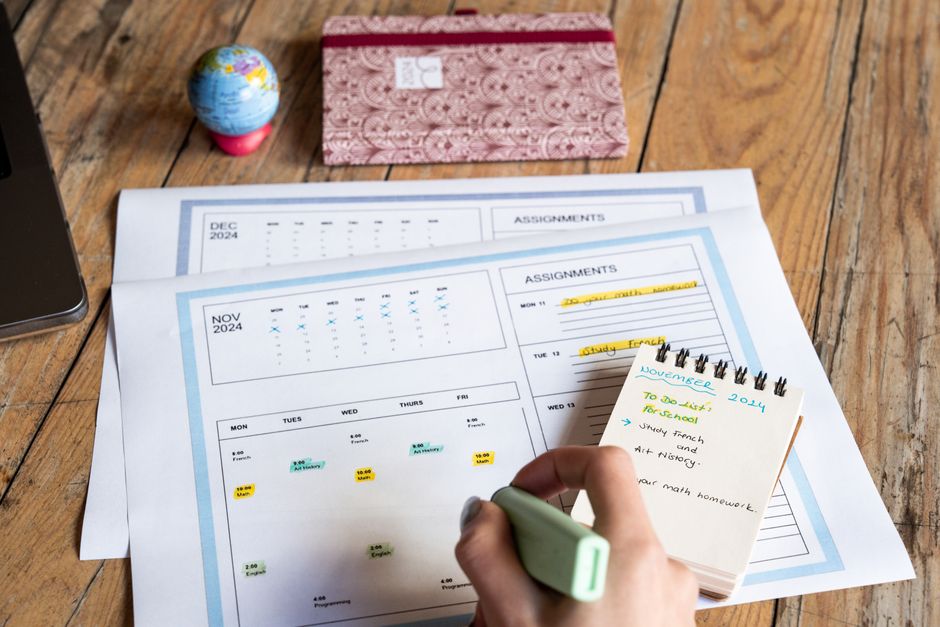
Start with five outfit folders
- Create five folders or labels: work, casual, dinner, travel, and bad-weather outfits.
- Add three complete looks to each folder. Start with clothes you already wear often.
- Give every look a practical title, such as “rainy commute” or “warm dinner with sneakers.”
- Write the temperature range beside the title. Use simple bands: below 5°C, 5–15°C, 16–24°C, and above 25°C.
- Add one sentence explaining the outfit’s strongest feature: clean proportions, easy movement, warm layers, or comfortable shoes.
Use a repeatable note template
Keep the format identical so you can scan it quickly. Use this structure: occasion; temperature; base layer; main piece; outer layer; shoes; bag or accessories; laundry status; fit warning. The final field matters. “Trousers crease after two hours” or “boots hurt without thick socks” is more useful than another style adjective.
Take the photo in natural light and show the full silhouette. A close-up of a collar is not enough. If you do not want photographs in your notes, write the outfit as a short checklist and mark the combinations you have worn at least twice.
Build around outfit formulas
Do not begin by cataloguing your entire wardrobe. Choose three formulas first: fitted top plus wide trousers, shirt plus straight jeans, and knitwear plus skirt. Then place your existing clothes into those structures. This reveals which items earn their space and which pieces only look good in isolation.
What Should You Record About Each Outfit?
Which clothing details matter most?
Record fit, fabric weight, color, and practical limits. “Slim black trousers” is weak. “High-rise black trousers, straight leg, lightweight fabric, works with tucked shirts” is useful. The same applies to named pieces. The Uniqlo AIRism Cotton T-Shirt works as a smooth base layer because its crew neckline and light cotton jersey sit neatly under overshirts. The Levi’s 501 Original works best when the outfit needs a straight, structured denim shape rather than a close fit.
Also record what the item cannot do. A cropped cardigan may work with high-rise jeans but fight with low-rise trousers. A satin skirt may look polished at dinner but need a casual knit and flat shoes for daytime. Those limits stop you from forcing one garment into every situation.
How do you know if a look deserves saving?
Save an outfit only after it passes three tests: you can move comfortably, the proportions look intentional, and you know where you would wear it. Save the date you wore it and give it a simple score from one to five. A five means you would wear it again tomorrow. A two means the outfit looked fine but had a problem worth fixing.
Adidas Samba OG sneakers, for example, can sharpen wide-leg trousers, but they may look too low and narrow with a long, heavy coat. Record that tradeoff. Dr. Martens 1460 Smooth Leather Boots add weight and height, so they are better with thick denim, longer skirts, or a cropped jacket than with delicate summer separates.
What should you track after wearing the outfit?
Add three quick notes: what felt wrong, what received compliments, and what you reached for instead. This turns outfit planning into feedback. After a month, patterns appear. You may find that you avoid stiff fabrics, dislike low necklines, or need more shoes that work in wet weather. That is a shopping signal. It is not a reason to buy another random item.
Common Outfit Planning Mistakes That Waste Time

Mistake one: saving inspiration instead of real outfits
Pinterest images can help with color ideas, but they are not a wardrobe plan. The model may be wearing altered clothing, professional styling, studio lighting, and pieces you do not own. If your notes app contains only saved images, it is acting as a scrapbook. Add a separate folder called “ideas” and keep it away from your tested outfits.
Your main outfit folders should contain combinations you can recreate today. If an idea needs three purchases, mark the missing pieces clearly. Do not call it a ready outfit. That small label prevents wishful planning.
Mistake two: ignoring the boring logistics
People often record color and silhouette while ignoring laundry, weather, walking distance, and dress codes. Those details decide what you actually wear. A cream sweater may look perfect with tailored trousers, but it is a poor choice for a long commute if the forecast calls for rain. A sharp outfit with uncomfortable shoes will lose to a plain outfit with reliable footwear.
Add a logistics line to every note: walking time, outerwear needed, bag size, and whether the outfit works after sitting for several hours. Include laundry status too. A saved look is useless if every piece is in the hamper.
Mistake three: treating the app as a shopping list
The fastest way to make your closet worse is to label every gap as a purchase. First, test substitutions. Try a different belt, tuck, sleeve roll, or shoe. Change one variable at a time and update the note. You may discover that the missing “black jacket” is really a missing adjustment to the fit of your existing jacket.
Do not buy an item until it completes at least three saved outfits across two categories. If a new skirt works only with one special top, it is an expensive costume. If it works with workwear, casual layers, and dinner shoes, it earns consideration. For most wardrobes, this three-outfit rule is more useful than chasing a specific trend.
Which Notes App Setup Fits Your Wardrobe?
Choose the simplest system you will update
Apple Notes is the best choice for iPhone users who want fast photo capture, folders, checklists, and almost no setup. Google Keep wins for Android users who prefer labels, colors, and quick outfit reminders. Notion is stronger for a detailed wardrobe database, but it takes longer to build and maintain. Stylebook is the most fashion-specific option because it combines clothing photos, outfit assembly, and calendar planning, but a dedicated closet catalog is unnecessary if you only need ten reliable looks.
| Setup | Best use | Record this | Verdict |
|---|---|---|---|
| Apple Notes | Fast outfit capture on iPhone | Photo, occasion, temperature, checklist | Best for quick daily planning |
| Google Keep | Simple labels and reminders | Color label, outfit title, packing list | Best for low-maintenance planning |
| Notion | Detailed wardrobe tracking | Item, color, fabric, outfit links, wear count | Best for organized fashion hobbyists |
| Stylebook | Closet catalog and outfit calendar | Garment photos, combinations, planned dates | Best when you want a visual closet |
The clear winner for most readers is Apple Notes or Google Keep. You need a system you can update in under one minute after wearing an outfit. Choose Notion only if you enjoy maintaining databases. Choose Stylebook only if seeing your entire closet as images helps you make decisions faster.
The app matters less than the habit. Save complete looks, write down the failure points, and review the notes before shopping. A small library of ten outfits you trust will beat a giant catalog of clothes you never combine.