Most heel guides skip the two things that actually matter for plus size women: structural stability and width that fits. This one doesn’t.
You’ve probably bought a heel that looked right in the store, wore it once, and never reached for it again. That’s not a you problem — it’s a fit and structure problem. Here’s how to stop repeating it.
Why Heel Shape Determines Everything Before Style Does
A 3-inch stiletto and a 3-inch block heel are not interchangeable. They distribute weight across your foot in completely different ways, and that difference compounds with every step on a larger frame.
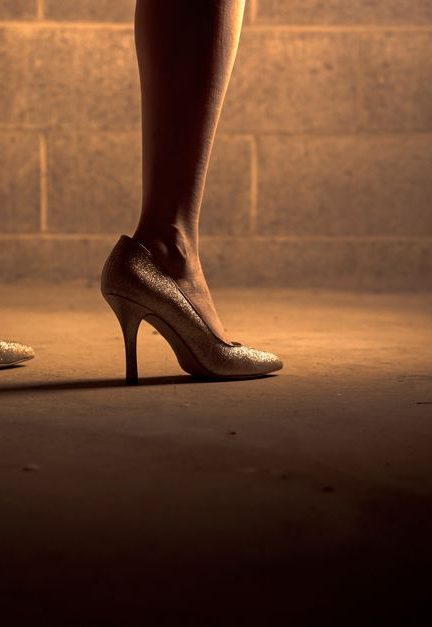
Stilettos push all your body weight onto a single narrow contact point. At a standard weight that’s uncomfortable. At higher body weight, the ankle strain and forefoot pressure make long wear close to impossible without pain. This isn’t about tolerance — it’s physics applied to a 5mm heel base.
Block heels and wedges carry weight across a wider base
Block heels spread load across a surface that’s sometimes 10–15 times wider than a stiletto’s contact point. The Sam Edelman Hazel block heel ($100–$130, available in wide widths) is a clear example: 2.5 inches of height on a base wide enough that your ankle isn’t constantly correcting to stay upright. It also works well with both pants and skirts, which means you actually get repeated use out of it.
Wedges go further by connecting heel to toe. Weight never pitches fully forward, which cuts forefoot pressure on longer wear. If you have flat arches or plantar fasciitis, start with wedges before any other heel type. The arch support built into most wedge designs is a structural advantage, not just a style difference.
Platform soles lower the effective angle on your foot
A 4-inch heel with a 1.5-inch platform is functionally a 2.5-inch heel. Torrid’s platform pumps — a brand designed specifically for plus size women — use this logic consistently. Their 3.5-inch heel on a 1-inch platform looks tall in photos while feeling close to a 2.5-inch heel on your joints. On a pointed-toe silhouette, the platform is often invisible from the front. You get the height without the punishment.
Kitten heels are a strategy, not a concession
A 1.5–2 inch heel is not giving up. It’s choosing correctly for the occasion. If you’re standing for four or more hours, or walking on anything that isn’t level polished floor, a kitten heel outperforms everything else on this list. The Naturalizer Vera pump — available in both wide (W) and extra-wide (WW), around $89–$110 — lasts a full workday without the foot fatigue a 3-inch heel creates by early afternoon. That’s not a consolation prize. That’s the right tool.
Heel Styles Compared: Stability, Width Access, and Best Use
| Heel Type | Stability | Wide Width Available? | Best Occasion | Avg. Price |
|---|---|---|---|---|
| Block heel | High | Yes (most brands) | Work, daytime events | $60–$150 |
| Wedge | Very high | Yes | All-day wear, outdoor events | $50–$120 |
| Platform pump | Medium-high | Limited | Evenings out, formal | $70–$200 |
| Kitten heel | Very high | Yes | Professional, long events | $55–$130 |
| Stiletto | Low | Rarely | Short events (2 hrs max) | $80–$300+ |
| Cone/spool heel | Medium | Sometimes | Cocktail, date night | $70–$180 |
Two things this table makes clear: stilettos have the worst stability and the least wide-width availability of any option here. For plus size women, that makes them the worst starting point regardless of how they look on the shelf. Begin with block heels or wedges, then add other styles once you’ve built a baseline of what works.
Note the gap in platform pump wide-width availability. This is a real market problem. Torrid is the primary brand filling it, which is a significant reason they show up in any serious conversation about plus size heels — not just because they market to this demographic, but because they’ve actually solved the sizing.
The Wide-Width Problem Is Not Minor
Standard heels run in B width. Most plus size women need D or EE. Buying a B-width shoe when you need D doesn’t just cause blisters — it changes how the shoe looks on your foot, creates visible overflow at the sides, and shifts your weight onto the outer edge of the heel. If a heel doesn’t come in your width, it is not your shoe. Naturalizer, Clarks, and Lane Bryant carry genuine wide-width options as their default, not a specialty add-on. That’s where to start, not after you’ve already tried everything else.
5 Brands Worth Buying From
- Naturalizer — Runs wide by default. The Vera pump and Taimi block heel both come in W and WW with cushioned footbeds and professional silhouettes. Prices run $80–$120. Best for: office wear and daytime events where you need four-plus hours of reliable use.
- Torrid — Designed specifically for plus size women’s proportions, including heel construction. Their faux-suede platform heels run $65–$90 and go up to size 15 wide. Best for: evenings out and formal occasions where height matters.
- Lane Bryant — Wide widths as the baseline, not an upsell. Block-heeled mules and slingbacks run $50–$80. Best for: building your heel wardrobe without committing serious money to an untested style.
Tip: A metatarsal pad placed just behind the ball of your foot reduces forefoot pressure and meaningfully extends comfortable wear time. Superfeet and Sof Sole both make thin versions that fit inside most pumps without crowding the toe box. At $15–$20, they’re the cheapest upgrade you can make to any heel you already own.
- Vionic — Every shoe includes a built-in orthotic footbed. The Carmel kitten heel ($130) and the Zara low block heel (~$120) deliver arch support that makes a real difference over five or six hours. Best for: women with plantar fasciitis or flat arches who want a heel that doesn’t cause foot pain by the third hour.
- Sam Edelman — Not a plus-size specific brand, but the Hazel block heel ($100–$130) consistently comes in wide widths and hits the balance between current-looking and structurally sound. Best for: a versatile heel that works across occasions without looking like it’s trying to be everything.
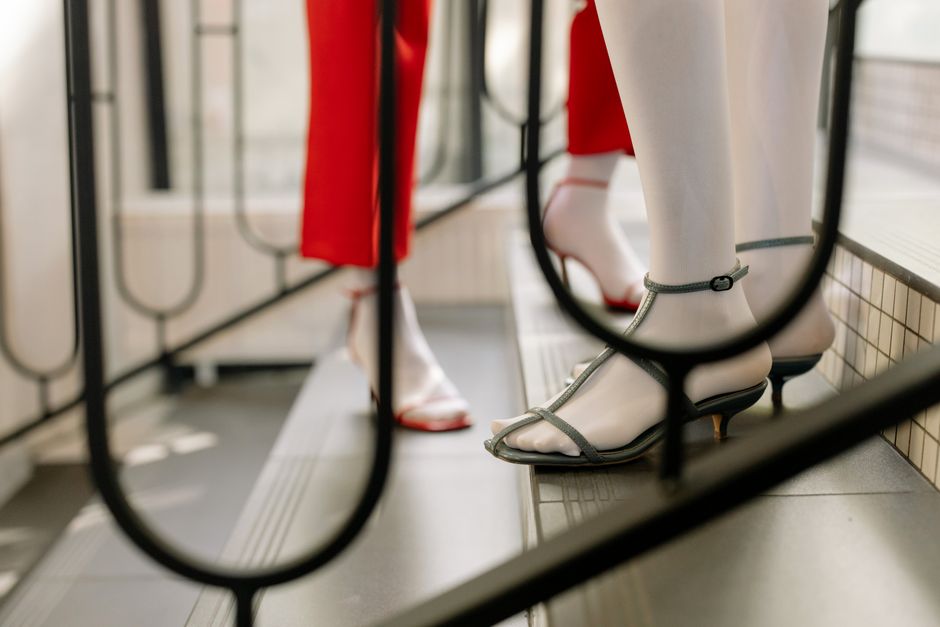
Tip on ankle straps: A strap keeps the shoe seated on your foot and reduces how hard your calf and ankle work to hold it in place. For any event that runs over two hours, a strapped heel outlasts a slip-on pump — every time.
Fit Mistakes That Guarantee Pain
Sizing by length while ignoring width
This is the most common error and the one with the clearest fix. A shoe that fits in length but runs narrow will gap at the side seam, compress the toe box, and push the foot upward — which creates blisters at the heel counter within the first hour. Check both length and width every time you buy. If you’ve been buying the same number across every brand without ever questioning the width, you’ve likely been wearing structurally wrong shoes for years and attributing the discomfort to heels in general.
Buying heel boots without checking shaft circumference
Standard ankle boot shaft openings run 12–13 inches in circumference. Plus size calves regularly need 14–16 inches. A boot that compresses the calf restricts circulation during extended wear and leaves visible indentation marks on the skin. Torrid and Lane Bryant both carry wide-calf boot options as standard sizing — not a specialty order, not an upcharge. This is one area where buying from brands that design specifically for plus size frames eliminates the guesswork entirely.
Trying heels on in the morning
Feet swell throughout the day. A heel that fits perfectly at 10 a.m. can be genuinely painful by 4 p.m. Try heels on in the afternoon when your feet are near their daily maximum size. For anything over 3 inches, consider going up a half size if you’ll be wearing them to evening events — that’s when swelling peaks for most people and when tight shoes become a problem that can’t be fixed by adjusting your stride.
When a Heel Is Not the Right Answer
Three situations where a different choice is smarter than pushing through:
- Cobblestones, grass, or uneven terrain. No heel — block, wedge, or otherwise — handles this reliably. A Steve Madden Feather loafer (~$90) with a slight lift gives visual elevation without the ankle instability any heel creates on irregular surfaces.
- Events over five continuous hours of standing. Past the three-hour mark, even a well-fitted heel compresses the metatarsals enough to produce real soreness by the end. A Birkenstock Gizeh sandal ($130) with a cork footbed reads as intentional and polished paired with the right outfit — it’s not giving up on style, it’s choosing it differently.
- Any situation where foot comfort directly affects your performance. A job interview, a presentation, a wedding where you’re in the party. If you haven’t broken the shoes in before the day, don’t debut them there. Wear something proven. Save the new heels for a lower-stakes test run where soreness isn’t a consequence.
The Clear Pick for Each Situation
Work: the Naturalizer Vera in your correct width. Under $110, handles eight-hour days, comes in enough colorways to build a real rotation.
Night out: Torrid’s pointed-toe platform heel. Built for plus size proportions, goes up to size 15W, and the platform makes a tall heel feel manageable from the first hour through the last.
Wedding as a guest: Vionic Carmel wedge. Three to five hours of standing is a realistic minimum at most weddings. The orthotic footbed is what makes the difference between dancing at the reception and sitting out by 7 p.m.
Everyday elevated: Sam Edelman Hazel block heel in wide. Works with jeans, a midi skirt, or wide-leg trousers without looking occasion-specific or overthought.
If you came here looking for one pair to start with: get the Naturalizer in your actual width. Wear it until you know exactly what more or less you want from a heel. Every purchase after that becomes far easier to get right.