Six months into wearing conventional running shoes every day, your calves are tight, your lower back complains after long walks, and everything below your knee feels like it belongs to someone slightly older. That’s not imagined. The heel elevation in most mainstream footwear changes how your entire body aligns — and zero drop shoes fix it. But only if you pick the right pair and approach the switch correctly.
Here’s the actual guide.
What Zero Drop Actually Means (And What It Doesn’t)
The “drop” in shoe specs refers to the height difference between the heel and the forefoot. A traditional running shoe has 8–12mm of drop — the heel sits noticeably higher than the toes. Zero drop means both points sit at the same height. Your foot is on a flat platform, heel and forefoot level.
Simple concept. But here’s where most shoppers go wrong: zero drop is not the same as minimalist or barefoot. These terms get used interchangeably online and they absolutely should not. A zero drop shoe can have 25–30mm of cushioning under your entire foot. The Altra Escalante 3 has 24mm of stack height — genuinely plush — but zero heel elevation. Compare that to the Vivobarefoot Primus Lite III, which has a 5mm stack. Both are zero drop. They feel like completely different categories of footwear.
The reason drop matters comes down to alignment. When your heel sits elevated, your pelvis tilts forward slightly, your lumbar spine compensates, and over time your Achilles tendon and calf muscles shorten to match that new baseline. This happens gradually, over months and years. Most people don’t notice until they spend a day barefoot and realize how limited their ankle mobility has become.
Zero drop encourages a different foot strike. Instead of landing on the heel and relying on cushioning to absorb that impact spike, you naturally shift toward a midfoot or forefoot landing. This distributes force differently — not eliminated, just spread more evenly across the foot and ankle rather than spiking through the knee.
The human foot has 26 bones, 33 joints, and over a hundred muscles, tendons, and ligaments. It is built for ground contact. Modern elevated-heel shoes put much of that system into a passive role. Zero drop footwear lets more of those structures activate again.
One critical caveat: zero drop is not a fix for everything. If you have active plantar fasciitis, a history of Achilles tendon rupture, or significant structural issues, the transition can worsen existing damage if rushed. It works with healthy biomechanics. It stresses compromised ones. Worth knowing before you buy anything.
Six Zero Drop Shoes, Compared Side by Side
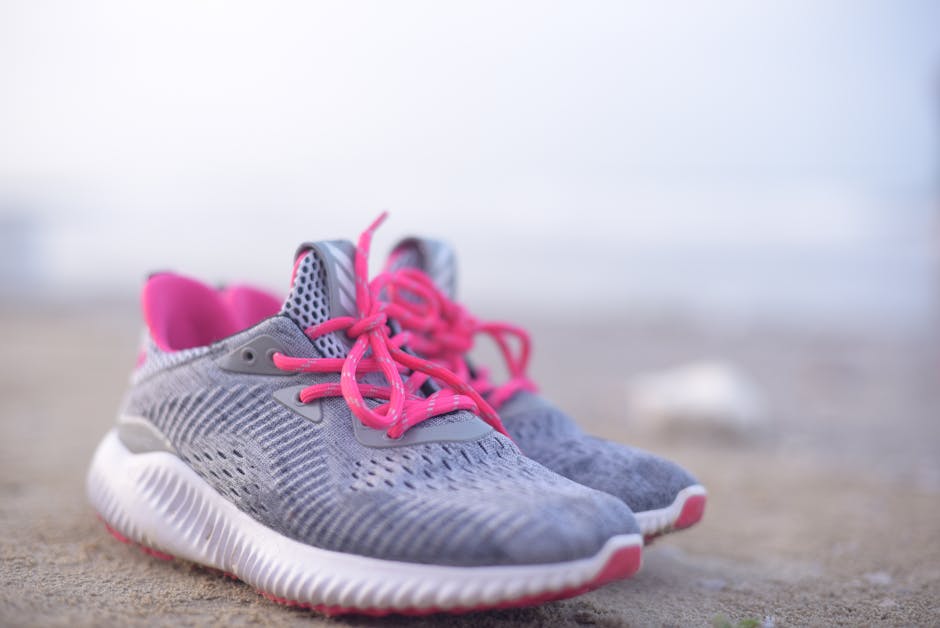
Different use cases need different specs. Here’s a clear breakdown across the best zero drop options available right now — covering road running, trail, casual daily wear, and minimalist training.
| Shoe | Drop | Stack Height | Best For | Price (approx.) |
|---|---|---|---|---|
| Altra Escalante 3 | 0mm | 24mm | Road running, beginners to zero drop | ~$140 |
| Vivobarefoot Primus Lite III | 0mm | 5mm | Minimalist training, gym | ~$150 |
| Xero Shoes HFS II | 0mm | 5.5mm | Road running, budget pick | ~$100 |
| Merrell Vapor Glove 6 | 0mm | 6mm | Trail running, grip-focused | ~$100 |
| Lems Primal 2 | 0mm | 8mm | Casual daily wear, wide feet | ~$120 |
| New Balance Minimus 10v1 Trail | 0mm | 10mm | Trail running, moderate cushion | ~$100 |
For most first-time zero drop buyers, the Altra Escalante 3 is the right entry point. It removes heel elevation without removing cushioning — your foot adapts to the flat platform without also coping with ground feel. The Vivobarefoot Primus Lite III is for people who have already been wearing zero drop for months and want to go further. It is not a beginner shoe, regardless of how accessible the brand markets it.
The Xero Shoes HFS II is the smart budget choice for runners who want to transition without spending $140+. Xero builds with deliberate simplicity — the HFS II weighs under 200g with a 5.5mm forefoot stack and a wide toe box. At $100, it punches well above its price point for those already adapted to minimal footwear.
The Transition Mistake That Sends People Straight to the Physio
The single most common zero drop failure is wearing the shoes all day on day one. This is not a small error. This is the specific mistake that causes Achilles tendinopathy and plantar fasciitis flare-ups that take months to fully resolve.
Your calf muscles and Achilles tendon have adapted to an elevated heel — possibly for years or decades. That tissue has literally shortened to match the position your current shoes hold it in. When you remove the heel elevation, you are placing immediate elongation stress on tissue that has zero capacity for it. The pain that follows is not weakness. It is a structural mismatch between what the tissue can handle and what you’re suddenly demanding of it.
Here’s the protocol that actually works:
- Week 1–2: 20–30 minutes of wear per day. Walking only. Switch back to your regular shoes after each session.
- Week 3–4: Extend to 45–60 minutes. Light activity is fine. Still no running.
- Week 5–8: If no soreness has appeared, introduce short runs of 10–15 minutes in the zero drop shoes.
- Week 9–12: Gradually replace regular shoe mileage with zero drop mileage, week by week.
Eight to twelve weeks for a full transition. Not one week. Not two. Most physios treating zero drop injuries see patients who gave themselves two weeks. That’s not enough time for the structural adaptation to happen safely.
One more thing: don’t stretch aggressively in the early weeks. Light calf stretching after activity is fine. But forcing range of motion before tissue has adapted can cause micro-tears in the very structures you’re trying to strengthen. Let adaptation happen through gradual loading.
Running vs. Casual Wear vs. Lifting — Different Rules Apply to Each
For Runners
Running generates 3–5 times your body weight in force per foot strike. The stakes for getting this transition wrong are significantly higher than with walking. If you currently run 20 or more miles per week, do not increase your total mileage during the zero drop transition — hold your volume constant and shift miles gradually from old shoes to new ones. Both the Altra Escalante 3 and the New Balance Minimus 10v1 Trail are designed with this gradual handover in mind. Their cushioning protects you while your foot mechanics shift over weeks.
For Daily Casual Wear
Walking is gentler. Most healthy adults with no existing foot problems can adapt to zero drop casual shoes within 4–6 weeks of consistent daily wear. The Lems Primal 2 is the standout in this category. Zero drop, wide toe box for full toe splay, and a silhouette that reads as a clean everyday sneaker rather than athletic gear. It functions in casual and most smart-casual settings without looking out of place. If you’re desk-based with a walking commute, this is the shoe to buy.
For Gym and Strength Training
This is where zero drop delivers its clearest performance advantage with the least adaptation cost. Squatting in a heel-elevated shoe restricts ankle dorsiflexion, which forces your torso to lean forward to maintain balance. Zero drop removes that constraint. Your ankle flexes more freely, squat depth improves, and your torso stays more upright with less effort. The Vivobarefoot Primus Lite III excels here — thin sole for stability, zero drop for clean mechanics. Even a flat-soled Converse Chuck Taylor (technically zero drop at around 3–4mm stack) works well for lifting sessions. No lengthy adaptation period is needed for weightlifting specifically, making it an ideal first use case for anyone curious about zero drop.
Stack Height: The Spec Most Buyers Skip Entirely
You’ve confirmed the shoe is zero drop. Now check the stack height before adding it to cart. This single number determines whether zero drop works for you or damages you.
- Under 8mm stack: Highly minimalist. Every pebble registers clearly through the sole. Requires the longest adaptation period and is unsuitable for zero drop beginners regardless of fitness level.
- 8–15mm stack: Moderate cushion. Some ground feedback, still protective on most surfaces. Right for people who have completed 2–3 months of cushioned zero drop wear and want to progress.
- 15mm+ stack: Cushioned zero drop. This is where beginners belong. The Altra Escalante 3 at 24mm is the benchmark for this tier.
Stack height and heel drop are completely independent variables. A shoe can be zero drop and heavily cushioned at the same time. Confusing these two specs is the most common purchasing mistake in this category — people buy a 5mm-stack minimalist shoe thinking they’ve bought a standard zero drop shoe, then blame zero drop itself for their sore feet instead of blaming the fact that they were nowhere near ready for that stack height.
Also worth checking: toe box width. Zero drop shoes theoretically allow natural toe splay, but a narrow toe box defeats that benefit entirely. Vivobarefoot, Lems, and Altra all build noticeably wider toe boxes than most conventional brands. The Merrell Vapor Glove 6 runs narrower — ideal for slimmer feet on trail, but uncomfortable for wide-footed wearers over longer distances. Know your foot shape before committing to a brand.
Three Situations Where You Should Not Buy Zero Drop Shoes
Active plantar fasciitis. Zero drop increases mechanical load on the plantar fascia. If the tissue is already inflamed, adding that load prolongs recovery and can push a manageable case into a chronic one. Wait until the acute phase resolves, then get clearance from a physio or sports medicine specialist before beginning the transition.
Significant leg length discrepancy. Heel elevation sometimes functionally compensates for a shorter leg, distributing load more evenly across both sides. Removing it without understanding your specific biomechanics can create uneven loading patterns that show up as knee or hip pain weeks later. A gait analysis before switching is worth the cost here.
If your only goal is aesthetics and you have no interest in the biomechanical reasoning — just wear whatever’s comfortable. The 8–12 week adaptation protocol is real effort. If you’re not doing it for the foot mechanics, it’s effort with no payoff. The Lems Primal 2 happens to look like a clean everyday sneaker, so it works on both grounds. But if you’re forcing yourself into zero drop purely for the look, you’re doing extra work for no functional gain.
The Verdict
For most people making their first zero drop purchase: the Altra Escalante 3. Zero drop, 24mm of cushioning, wide FootShape toe box, proven road performance. It removes the heel elevation without punishing you for not being adapted yet. Spend 8–12 weeks wearing it at low intensity before running serious mileage in it.
For casual daily wear, the Lems Primal 2 is the most practical choice — zero drop, genuinely wide toe box, and presentable enough for settings where athletic footwear looks wrong.
For advanced users who’ve already adapted and want real ground feel, the Vivobarefoot Primus Lite III is the benchmark. But it earns that position after months of zero drop wear, not at the start of it.
Get the stack height right for your current adaptation level. That’s the variable most people skip, and it’s the one that decides whether zero drop transforms your movement or sends you to the physio.