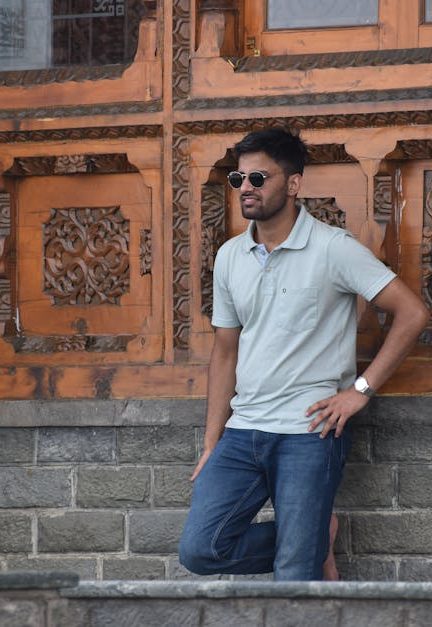
Did you know that the global fusion wear market is projected to reach a valuation of nearly $15 billion by 2027? This isn’t merely a fleeting trend confined to the South Asian diaspora; it represents a structural shift in how modern men approach the intersection of heritage and utility. The pairing of a kurta with jeans has evolved from a rebellious student uniform in 1970s Kolkata to a globally recognized sartorial standard that bridges the gap between formal ethnic wear and casual Western attire. To understand why this combination works, one must look past the surface-level aesthetics and examine the textural interplay between the ruggedness of indigo-dyed denim and the breathability of traditional weaves.
Why the Kurta-Jeans Pairing Became a Global Men’s Fashion Staple
The ascendancy of the kurta-jeans combination is rooted in the concept of functional pragmatism. Historically, the kurta was paired with pajamas or dhotis—garments designed for a climate and lifestyle that favored loose, flowing silhouettes. However, as urban environments became more demanding and the pace of life accelerated, the traditional lower-half garments often lacked the durability and pocket-based utility required for modern daily life. Enter denim. By substituting a cotton pajama with a pair of well-fitted jeans, the wearer gains structural integrity without sacrificing the cultural identity represented by the upper garment.
This evolution was accelerated by the rise of “Business Casual” and “Smart Casual” dress codes. In many creative and tech-heavy industries, the rigid suit-and-tie ensemble has been discarded in favor of something that signals both approachability and cultural awareness. The kurta-jeans look fills this niche perfectly. It suggests a man who is grounded in tradition but agile enough to navigate a globalized world. From a purely technical standpoint, the weight of denim provides a visual anchor for the lighter, often more translucent fabrics of the kurta, creating a balanced silhouette that is difficult to achieve with other trouser types.
Furthermore, the democratization of fashion through global retail platforms has made high-quality kurtas more accessible. Brands like Marks & Spencer (available via Awin retail partners) have frequently introduced “Grandad collar” tunics and longline linen shirts that serve as Western interpretations of the short kurta, further blurring the lines between traditional Eastern silhouettes and contemporary European tailoring. This cross-pollination ensures that the style remains fresh, relevant, and adaptable across different climates and social contexts.
Selecting the Best Kurta Fabric for Denim Textures

When selecting the best jeans kurta for men, the primary variable to consider is the fabric weight, measured in grams per square meter (GSM). Denim is inherently heavy, typically ranging from 10oz to 14oz. If you pair this with an exceptionally thin, high-thread-count silk kurta, the visual weight becomes lopsided. The silk may appear too flimsy against the rugged texture of the jeans. Instead, the goal is to find a fabric that offers enough “body” to stand up to the denim while maintaining the comfort of a traditional tunic.
The Case for Linen and Linen-Blends
Linen is arguably the superior choice for a jeans-kurta pairing. The natural slubs and slightly irregular weave of linen mimic the organic texture of denim. A Marks & Spencer Pure Linen Grandad Collar Shirt (approx. $55) is an excellent example of this. It provides the necessary structure and becomes softer with every wash, much like denim itself.
Pros: Exceptional breathability, antibacterial properties, and a sophisticated “lived-in” look.
Cons: Prone to heavy creasing, which may look untidy in high-stakes professional settings.
Heavyweight Cotton and Khadi
For a more traditional feel, hand-spun Khadi or heavyweight cotton is the gold standard. These fabrics have a matte finish that absorbs light, contrasting beautifully with the slight sheen often found in unwashed or “raw” denim. Cotton kurtas are also easier to starch, allowing for a crisp, sharp look that works well for evening events or dinners. When choosing cotton, look for “two-ply” weaves which offer better durability and opacity than the cheaper, single-ply alternatives found in fast-fashion outlets.
Matching Kurta Lengths with Different Jean Fits
The most common mistake men make with this look is ignoring the “Golden Ratio” of proportions. The length of your kurta must be mathematically compatible with the cut of your jeans. If the kurta is too long and the jeans are too baggy, the wearer risks appearing shorter and more disorganized. Conversely, a very short kurta with skin-tight jeans can look unbalanced and overly trendy.
| Kurta Type | Ideal Length | Recommended Jean Fit | Best For |
|---|---|---|---|
| Short Kurta | Mid-hip to upper thigh | Slim Fit / Straight Leg | Daily casual, office wear |
| Medium (Knee-Length) | Just above the kneecap | Tapered / Slim-Straight | Semi-formal events, festivals |
| Pathani Style | Below the knee (curved hem) | Regular Fit | Traditional gatherings |
For a modern silhouette, the **Slim Fit** jean is the most versatile partner. A pair of Levi’s 511 Slim Fit Jeans (approx. $70-90) provides a clean line from the waist to the ankle, preventing the “muffin top” effect that can occur when a long kurta sits over bulky, relaxed-fit denim. If you prefer a longer kurta, ensure the side slits (chaks) start high enough to allow you to reach your jean pockets easily. A slit that starts too low will cause the fabric to bunch up whenever you move or sit, ruining the clean lines of the outfit.
Chromatic Strategies for Kurta and Denim Combinations
Color theory plays a vital role in making this fusion look intentional rather than accidental. Because most jeans are a shade of indigo, blue serves as your base neutral. The goal is to either complement this blue or provide a deliberate, high-contrast counterpoint. Avoid wearing a kurta that is the exact same shade of blue as your jeans; this creates a “uniform” look that lacks depth and visual interest.
The Earthy Palette: Mustard yellow, olive green, and rust orange are historically the most successful colors for kurtas when paired with dark indigo denim. These colors sit in a warm spectrum that balances the coolness of the blue. A mustard linen kurta with dark wash jeans is a classic combination that works across all skin tones and seasons.
The Monochrome Approach: If you prefer a more understated look, shades of grey, charcoal, and white are foolproof. A crisp white cotton kurta with faded light-blue jeans is the quintessential summer outfit—it’s clean, bright, and effortless. For evening wear, a black kurta paired with black denim creates a sleek, elongated silhouette that can even pass for formal wear in many contemporary settings. When going monochrome, focus on the difference in textures—for example, a matte black cotton kurta against a slightly shiny, waxed black denim—to ensure the outfit doesn’t look flat.
Top 2026 Kurta Styles for Denim Pairing
Not all kurtas are created equal. The “best” kurta for you depends on the specific occasion and your personal style archetype. In 2026, we are seeing a move away from heavily embellished pieces toward minimalist designs that emphasize cut and fabric quality.
1. The Mandarin Collar (Chinese Collar) Kurta
This is the most popular style for jeans. The lack of a traditional fold-down collar makes it look modern and sleek. It draws attention to the neck and jawline. Many ASOS Design longline shirts utilize this collar style, offering a fusion look that is very popular in European street fashion.
Pro: Extremely versatile; can be worn under a blazer.
Con: Can feel restrictive if the neck measurement isn’t perfect.
2. The Pathani Kurta
Characterized by its collared neck and curved hem, the Pathani kurta is inherently more rugged and masculine. It often features chest pockets and shoulder epaulets, which mirror the utilitarian details found on denim. This is best paired with regular-fit jeans to maintain the garment’s heritage as a sturdy, functional outfit.
Pro: Masculine silhouette; very comfortable.
Con: Can look too “heavy” on smaller frames.
3. The Lucknowi Chikankari Kurta
For those who want to lean into the “Bohemian” or “Artistic” vibe, a Chikankari kurta with intricate hand-embroidery is the way to go. Pairing this delicate, artisanal piece with rough-and-tumble denim creates a fascinating textural contrast. It’s a favorite for weddings or high-end cultural events.
Pro: Unique, high-end aesthetic.
Con: Requires delicate hand-washing and high maintenance.
Footwear and Accessories to Complete the Fusion Aesthetic
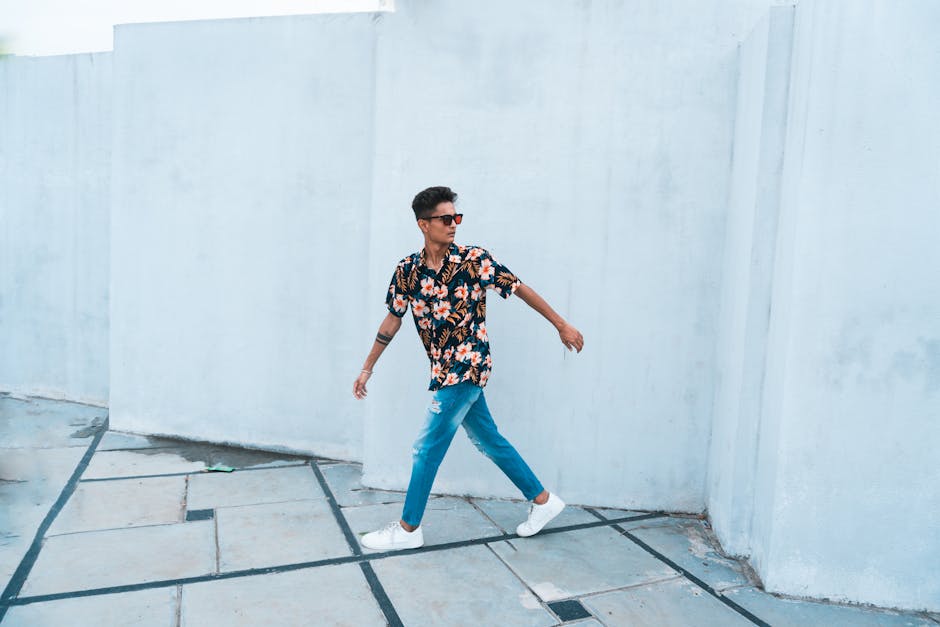
The transition point between the jeans and the floor is where most men stumble. The footwear you choose defines the “vibe” of the entire ensemble. Because the jeans-kurta look is a hybrid, you have the flexibility to lean in either a Western or an Eastern direction with your shoes.
- The Loafer: A leather or suede loafer is the safest bet for a smart-casual look. It provides a polished finish without being as stiff as an Oxford or Derby. Brown suede loafers, in particular, complement the earthy tones of a linen kurta beautifully.
- The Chelsea Boot: For a more rugged, urban look, a Chelsea boot works surprisingly well, especially with slim-fit jeans and a shorter kurta. This adds a bit of height and a modern edge to the outfit.
- Traditional Kolhapuri Sandals: If you want to lean into the heritage aspect, a pair of handcrafted leather Kolhapuris is the ultimate choice. They are breathable and culturally resonant, though they are best reserved for casual or festive outdoor settings.
Regarding accessories, keep it minimal. A leather-strap watch is preferable to a metal link bracelet, as it feels more organic and less “corporate.” If you are wearing a simple, solid-colored kurta, a small pocket square in the chest pocket (if the kurta has one) can add a pop of color and personality. Avoid heavy neck jewelry; the Mandarin collar is a design statement in itself and shouldn’t be crowded.
Maintenance Protocols for High-Quality Fusion Garments
Owning the best jeans kurta for men also means knowing how to preserve the disparate fabrics involved. Denim and cotton/linen have very different care requirements. Never wash your kurta and your jeans together. Denim is notorious for color bleeding, especially in the first few washes, and the indigo dye can easily ruin a light-colored linen or cotton kurta.
Always turn your kurta inside out before washing to protect the fibers and any embroidery. For linen kurtas, air drying is mandatory. The high heat of a tumble dryer will not only shrink the garment but also make the fibers brittle over time.
For the jeans, the less you wash them, the better. Spot clean when necessary and hang them in a well-ventilated area to refresh the fabric. If you are using raw denim, be aware that the indigo will rub off onto the hem of your kurta during the first few wears. This is known as “crocking.” To minimize this, you can soak your new jeans in a cold water and vinegar solution to help set the dye before your first outing.
Proper storage is equally important. While jeans can be folded, kurtas should ideally be hung on padded hangers to maintain the shoulder shape. Linen kurtas, in particular, benefit from a quick steam rather than a heavy iron, as steaming allows the fibers to relax naturally without the risk of scorching the fabric. By following these maintenance steps, your fusion ensemble will remain a staple of your wardrobe for years, rather than just a single season.