Start with the story they return to
The safest way to buy a collectible is to remember what the recipient talks about when nobody is asking for a wish list. It may be a film they rewatch on wet Sundays, a team they followed with a parent, or the character they always choose in a game. That connection matters more than whether an item is new, large or labelled rare. A small figure from the right story feels personal; an impressive figure from the wrong universe feels like homework.
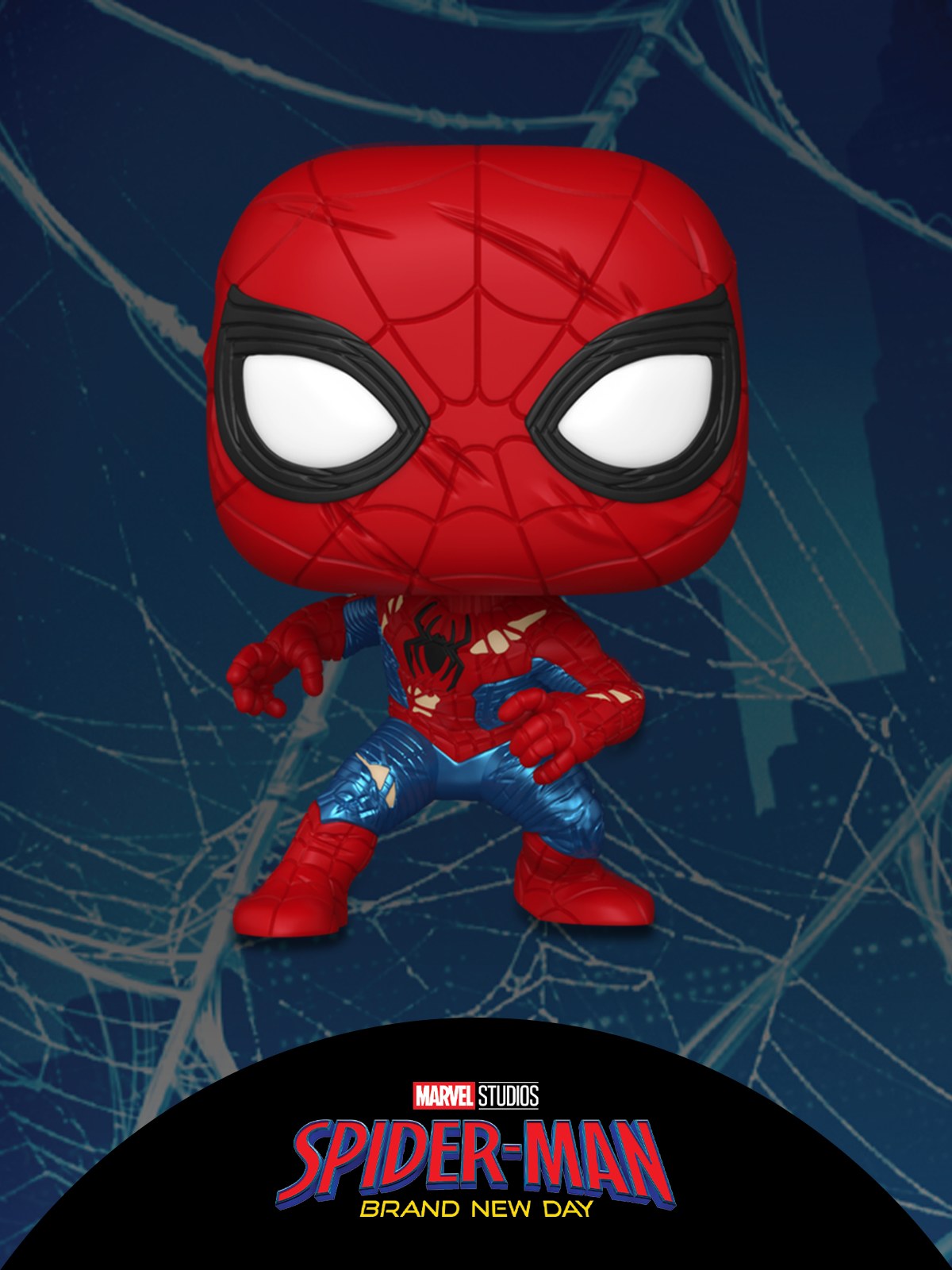
Make a short fandom map before opening a shop tab. Write down one primary interest, one secondary interest and one useful clue about taste. The clue could be a favourite era, team, costume, colour or actor. This prevents the familiar mistake of treating a broad franchise as a single taste. Someone who loves one Spider-Man film may not collect every Marvel character, while a Formula One fan may care deeply about one constructor and ignore the rest of the grid.
Choose a format that fits their room
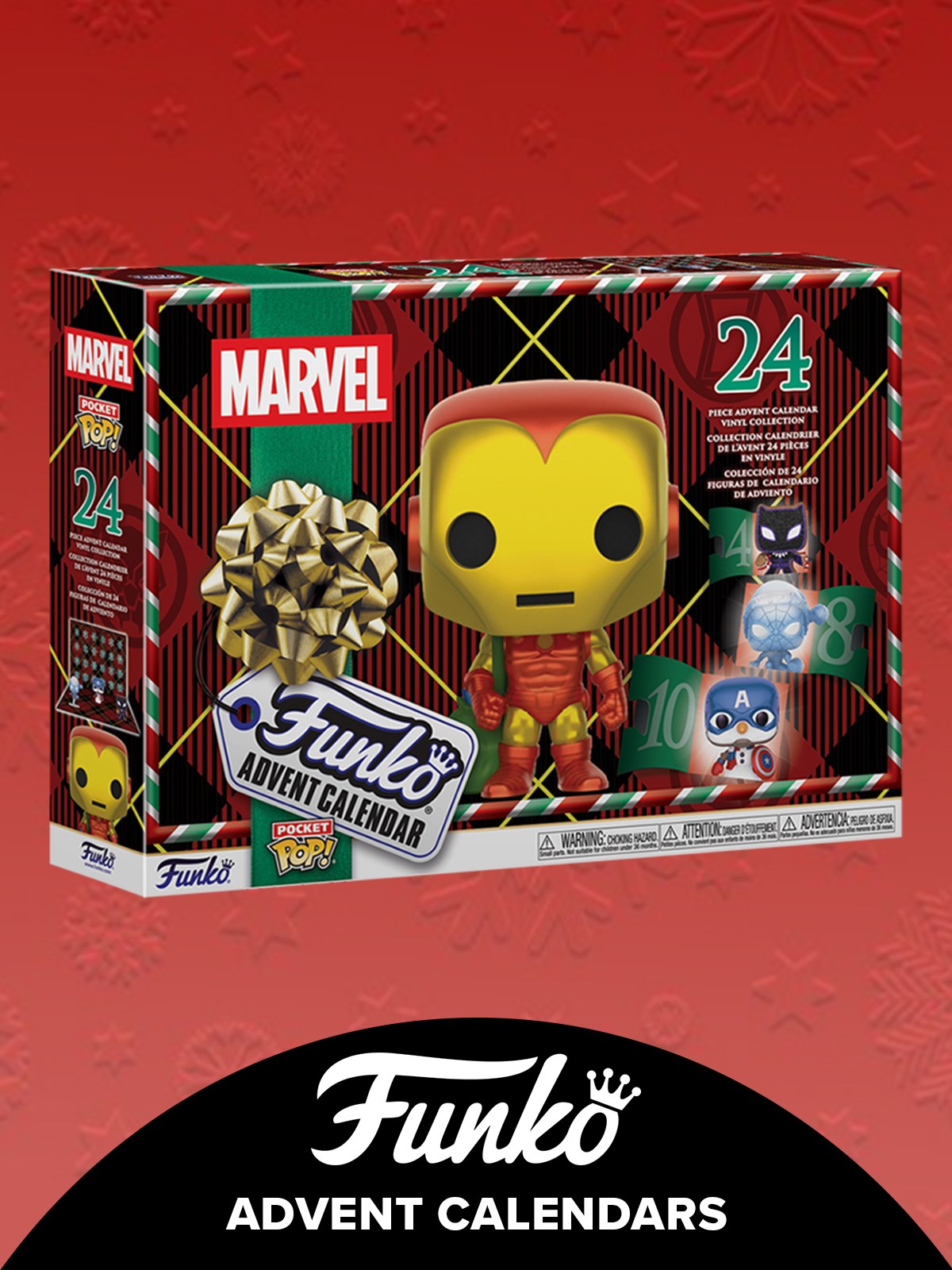
Collectors do not all display things in the same way. Some keep figures boxed and arrange the spines like books. Others prefer an open shelf where silhouettes and colours can be seen from across the room. Before buying, notice the available space. A desk gift should leave room for a keyboard and a mug; a shelf piece can be taller; an advent calendar is a seasonal experience rather than a permanent display.
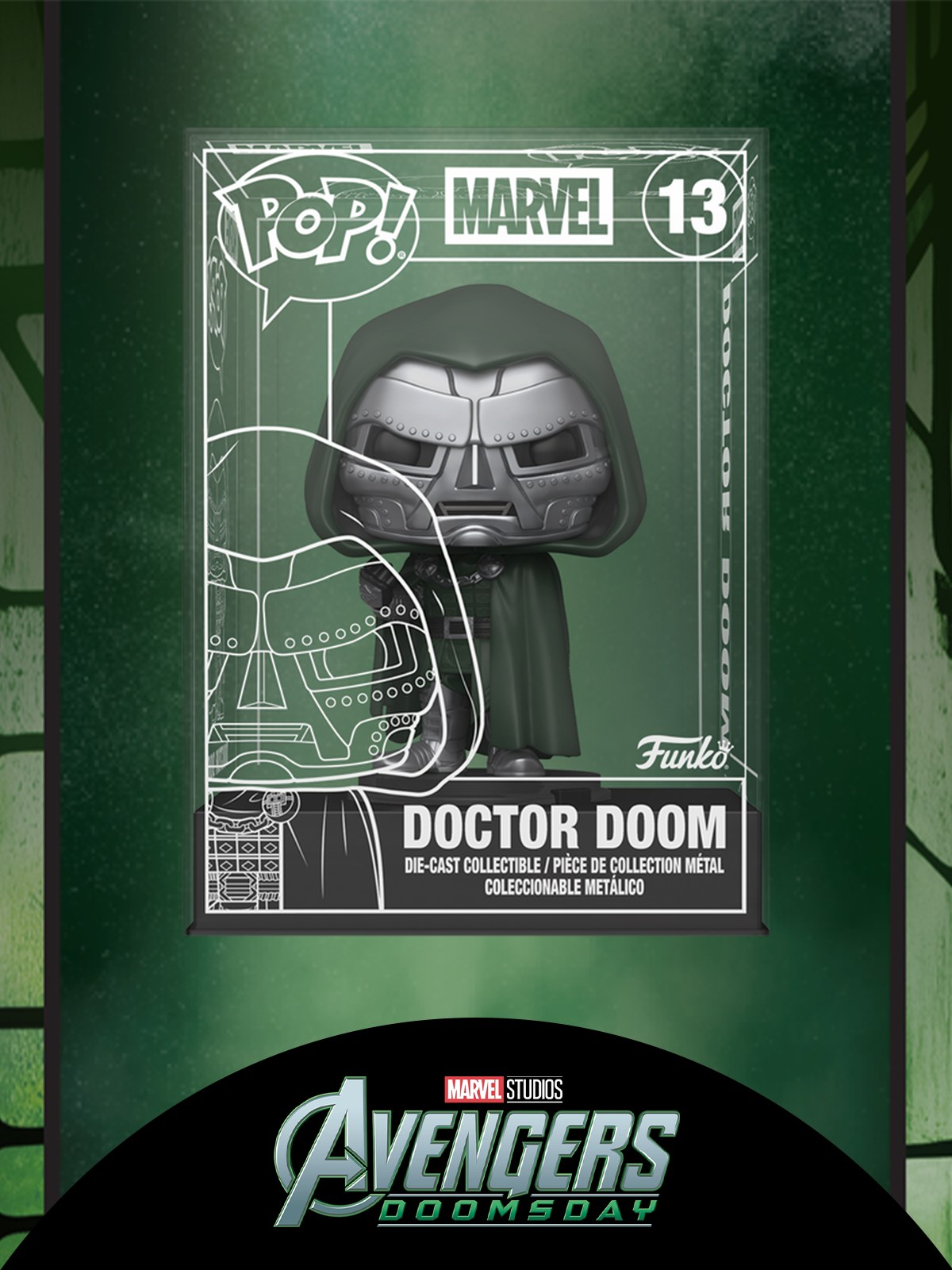
Funko's current ranges make this practical because the catalogue spans compact Pop! figures, premium pieces, themed calendars and personalised options. Treat those as different jobs rather than different price points. A compact figure is an easy first collectible. A premium piece suits an established display. A calendar gives a fan a sequence of small reveals. Personalisation works best when the recipient enjoys seeing themselves folded into the visual language of the collection.
Use one strong clue instead of five weak ones
A gift becomes more convincing when its details agree. If the recipient follows Mercedes in Formula One, a Mercedes-themed piece is stronger than a generic racing bundle padded with unrelated novelties. If they collect a particular corner of Marvel, stay inside it. The discipline to stop is part of good gift selection: one accurate choice is more memorable than several almost-right choices.
When you are unsure between two characters, ask a sideways question rather than revealing the gift. Which film would they put on tonight? Which player or hero would they choose for a poster? You can also look at what already occupies the best position on their shelf. Existing displays reveal both subject and presentation preference without requiring a formal inventory.
Check the practical details before checkout
Confirm the delivery window, the condition of the packaging and the recipient's attitude to duplicates. Box-conscious collectors may value crisp corners, while an out-of-box collector will care more about paint and pose. If there is any risk of duplication, choose a newer release from a known favourite or keep the order confirmation until the gift has landed well.
Finally, resist turning rarity into the entire message. A collectible gift succeeds when it says, 'I noticed what you love.' The edition, finish and exclusivity can add interest, but they cannot replace that recognition. Browse by fandom first, narrow by display format second, and use price only after the personal choices are settled.

Make the wrapping part of the reveal
Collectible packaging is already visually busy, so the outer wrapping can stay simple. Use one solid paper, a wide ribbon and a small clue on the tag. A quote, team colour or tiny hand-drawn symbol creates anticipation without giving away the character. If the factory box is part of the collection, do not tape paper directly to it or cover it with a label that may pull the print away.
For a child or a recipient who opens gifts quickly, place the collectible inside a slightly larger plain carton with tissue around it. That protects corners and creates a clean reveal. For an adult collector, include the receipt separately and avoid writing on the retail box. Thoughtful presentation should protect the item rather than turn the unwrapping into a conservation project.
Keep a quiet record for future gifts
After the occasion, note the exact character, series and format in your phone. A single photograph of the shelf is even better, provided the recipient is comfortable with it. That record helps you avoid duplicates and shows which parts of the collection are growing. It also gives future relatives a useful reference when they ask what to buy.
Do not treat the record as a shopping quota. A collection needs pauses as much as additions. The best follow-up gift may be a display riser, a dusting brush, a frame for a convention ticket or simply an afternoon spent reorganising the shelf together. Collecting is most enjoyable when the objects support the memories instead of replacing them.