Many shoppers think activewear is mostly about the logo. It is not. The right outfit controls sweat, stays in place, and gives your body enough room to move without constant adjusting. New Balance activewear works best when you choose each piece for the workout first and the look second.
What Should Activewear Do During a Workout?
My verdict: fabric and fit matter more than the brand name. A good training outfit solves three basic problems: excess heat, trapped moisture, and restricted movement. If it fails at any of those jobs, a stylish color or familiar logo will not rescue it.
The job is sweat control
For running, cycling, and high-intensity classes, the fabric should move perspiration away from the skin and dry quickly. Cotton often feels comfortable at the start, but it absorbs moisture and stays heavy once you begin sweating. That extra weight can cause rubbing around the waistband, underarms, and inner thighs. Look for technical polyester, nylon, or a stretch blend with a clear moisture-wicking claim. A thin fabric is not automatically better. Very light material can become see-through, cling to the body, or wear through at high-friction points.
The job is movement
Use a simple test before buying: squat, raise both arms, take a long stride, and twist your torso. The waistband should stay flat. The crotch should not pull. Shoulder seams should not dig into the neck. For leggings and fitted shorts, a snug feel is useful, but painful compression is not the same as support. For tops, check the length while reaching overhead. A shirt that rides up during a five-minute fitting will become annoying during a fifty-minute session.
The best activewear is the clothing you stop thinking about once the workout starts. That is the standard to use when comparing collections.
How to Choose Activewear for Your Actual Routine
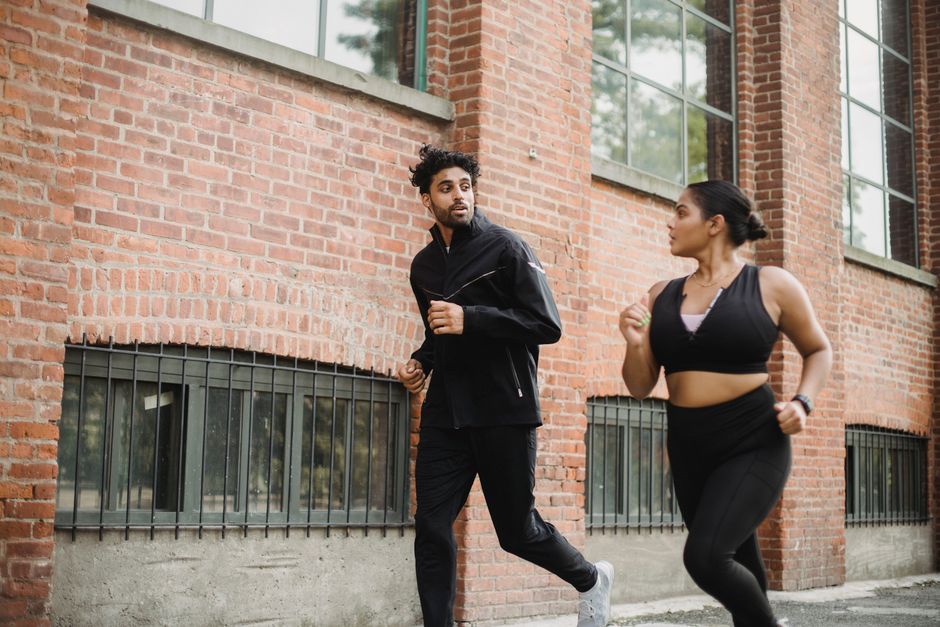
Start with the activity, not the color. A running outfit has different requirements from a weight-training outfit, and both differ from clothes meant for errands after the gym. Use this short selection process before adding anything to your cart.
- Define the main workout. Running needs low-friction seams, secure pockets, breathable layers, and shorts or leggings that stay in place for repeated strides. Strength training needs stretch through the hips and shoulders. Walking and daily wear allow softer fabrics and a more relaxed fit.
- Choose the right amount of coverage. A 3-inch short can feel cooler on a hot run, while a 5- or 6-inch short gives more coverage for squats, stretching, and commuting. A 25-inch legging usually ends near the ankle on a shorter frame and above the ankle on a taller frame.
- Check the pocket before buying. A small rear zip pocket may hold a key but not a large phone. Side pockets work better for walking and gym sessions, but anything loose can bounce during a run. This small detail often matters more than a minor difference in fabric weight.
- Match support to movement. Low-impact workouts can use a softer bralette or relaxed top. Running and jumping require a secure sports bra and a top that does not shift. A loose layer is useful for warm-ups, but it should not be your only layer during a hard session.
- Wash for durability. Turn technical clothing inside out, use cool water, and skip fabric softener. Softener can coat performance fibers and reduce moisture movement. Air-drying also protects elastic better than high heat.
Do not buy a full matching set before testing one item. Buy the piece that solves your biggest problem first, wear it for two workouts, then decide what the rest of the wardrobe needs. That process cuts down on duplicate black leggings, uncomfortable waistbands, and tops that only work for one type of movement.
Which New Balance Activewear Pieces Are Worth Buying?
The best New Balance setup is a small mix of running-specific and everyday pieces. Prices below are listed US prices seen in 2026, and sale colors can cost less. The key is to compare the job each item performs rather than treating every piece as interchangeable.
| Product | Listed price | Useful details | Best use |
|---|---|---|---|
| New Balance NB Harmony High Rise Short 6" | $44.99 | 6-inch inseam, high rise, NB DRY, 78% recycled polyester and 22% Lycra | Gym sessions, walking, low-impact workouts |
| New Balance NB Harmony High Rise Legging 25" | $59.99 | 25-inch length, NB DRY, soft stretch fabric, sizes XS to 2XL | Studio work, travel, everyday wear |
| New Balance RC Essential Short 5" | $49.99 | Running-focused design, 5-inch length, lightweight construction | Short runs and warm-weather training |
| New Balance Fresh Foam X 1080v14 | $164.99 | 290 grams, 6mm drop, neutral support, extra-soft cushioning | Long runs, walking, all-day wear |
| New Balance FuelCell Rebel v5 | $144.99 | 223 grams in the men’s version, 177 grams in the women’s version, 6mm drop | Fast training and lighter daily runs |
The strongest everyday choice
For a versatile outfit, choose the NB Harmony High Rise Short 6" or the NB Harmony High Rise Legging 25" with a breathable running top. The Harmony fabric feels softer than a race-oriented short, and NB DRY gives it enough moisture control for moderate sessions. The 1080v14 is the better shoe when comfort is the priority. Its 10.2-ounce men’s weight and extra-soft Fresh Foam X cushioning suit long walks and steady runs, but the shoe may feel too soft for someone who wants a sharp, fast response.
The strongest running choice
For speed work, the FuelCell Rebel v5 is the clear pick. Its PEBA and EVA foam blend, 6mm drop, and low weight make it more lively than the 1080v14. It is not the best choice for runners who want maximum stability or a plush, protective ride. Pair it with the RC Essential Short 5" rather than a casual fleece short. That combination keeps the outfit light and reduces fabric that can hold heat.
My product verdict is simple: Harmony for comfort, RC for running clothes, 1080v14 for cushioning, and Rebel v5 for speed.
When New Balance Activewear Is the Wrong Buy
Skip New Balance activewear if the garment cannot match the demands of your workout, even when the fit looks good in a mirror. Someone who needs firm, medical-grade compression should shop from a specialist compression label, because standard performance leggings are designed for comfort and movement rather than clinical support; someone training in very hot, humid weather may prefer an ultra-light race kit with perforated panels and minimal fabric, since a soft everyday short can feel too warm after several miles; someone doing heavy barbell work should avoid loose tops or slick, thin leggings that can catch on equipment or shift under a loaded squat, and should choose a tougher, more secure training fabric instead; and someone buying mainly for fashion should be honest about the cost per wear, because a $164.99 running shoe offers poor value if it will only be worn with jeans and never used for walking or exercise.
There is also a common sizing mistake: choosing a smaller size because the fabric feels stretchy. Stretch should help you move, not force the waistband into your stomach or create shiny stress lines across the hips. Check the size chart, measure your waist and hips, and return the item if seams pull during a squat. New Balance offers useful width choices in several running shoes, but width does not fix a shoe that is too short. Leave roughly a thumb’s width in front of your longest toe, especially if you will use the shoe for long runs.
Which New Balance Setup Fits Your Week?
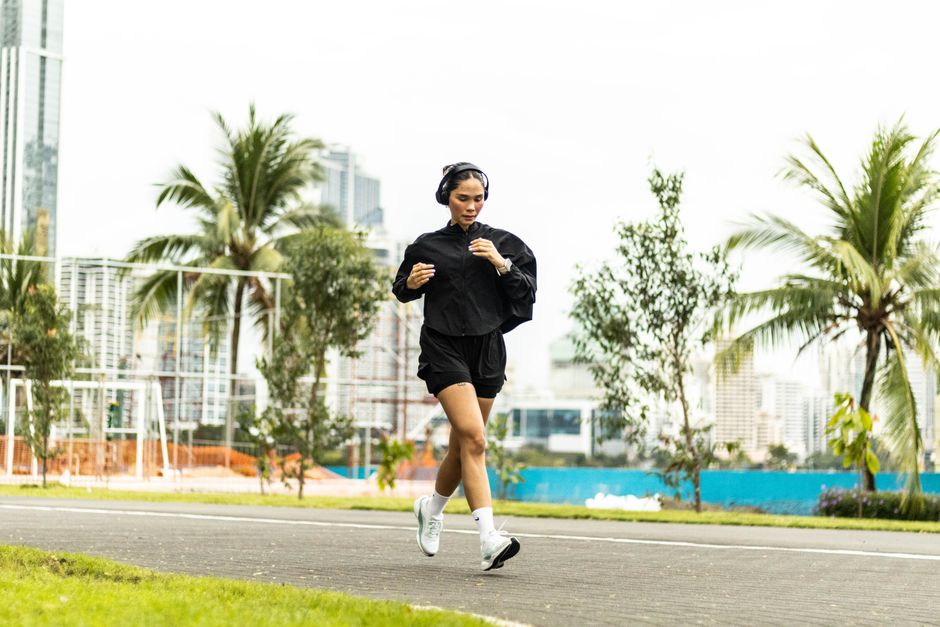
The right answer comes from building around your most frequent session. A small wardrobe with clear jobs beats a large drawer of similar-looking clothes.
What should a beginner buy first?
Start with one moisture-wicking top, one NB Harmony High Rise Short 6" or NB Harmony High Rise Legging 25", and a supportive pair of shoes. For mixed walking, gym work, and short jogs, the Fresh Foam X 1080v14 is the safer first shoe because its soft cushioning is forgiving and its 6mm drop feels familiar to many runners. This setup covers several activities without forcing you to buy race-focused clothing before you know what you enjoy.
What is best for a regular runner?
Choose the RC Essential Short 5" for warm days and the FuelCell Rebel v5 for faster workouts. Add a second technical top so you are not washing the same shirt after every session. The Rebel v5 is the clear choice for someone who values a light, energetic feel, while the 1080v14 makes more sense as a slower-day or walking shoe. Do not use one pair for every mile if your weekly training includes both speed work and longer sessions.
What works for activewear that also looks polished?
Choose the NB Harmony High Rise Legging 25", a clean technical top, and a neutral shoe. Its 25-inch length and soft stretch fabric move easily from a studio class to travel or errands. The result looks less like a race uniform and more like a planned outfit, but it still handles light training. For most fashion readers, that is the strongest New Balance activewear formula: one comfortable base, one workout-specific option, and shoes selected for the miles they will actually cover.