May dressing fails when a jacket handles only one half of the wardrobe. The useful choice is a light outer layer that leaves room for a dress, sits cleanly over jeans, and protects against cool mornings without turning a mild afternoon into a sauna.
What makes a May jacket work with both dresses and jeans?
The underlying problem is proportion, not a lack of clothes. Dresses often need a jacket that respects movement and preserves the waist or hemline. Jeans need a layer with enough structure to stop the outfit from looking flat. A successful May jacket connects those two shapes without swallowing either one.
Start with the hem relationship
For a midi dress, choose a jacket that ends at the waist, high hip, or clearly below the dress hem. A jacket that stops at the widest part of the thigh can make the outfit look cut in half. With jeans, the same rule becomes easier: a waist-length jacket works with high-rise denim, while a longer chore coat works with straight or relaxed jeans. Measure the jacket from shoulder seam to hem before buying. A useful range is 48 to 58 centimetres for a cropped layer and 68 to 78 centimetres for a longer overshirt.
Use fabric weight as the weather filter
May usually calls for midweight fabric, not winter insulation and not a flimsy shirt pretending to be outerwear. Aim for roughly 180 to 300 grams per square metre in cotton twill, denim, linen blends, or light waxed cotton. The fabric should block a breeze while allowing a T-shirt or thin knit underneath. A lining adds comfort, but a thick polyester lining can make a jacket too warm for sunny afternoons.
| Jacket feature | Works with dresses | Works with jeans | Main exclusion |
|---|---|---|---|
| Waist-length denim | Balances midi and slip dresses | Best with high-rise straight jeans | Can feel rigid over full sleeves |
| Long cotton overshirt | Softens fitted dresses | Works with wide-leg denim | May look shapeless without a rolled sleeve |
| Light waxed cotton | Handles wind and light rain | Strong with ecru or dark denim | Not a substitute for a waterproof shell |
| Short cotton bomber | Adds shape to a column dress | Balances loose jeans | Elastic hems can bunch over bulky tops |
My clear rule: buy for the dress first if dresses make up most of your May wardrobe, then test the jacket with jeans. The reverse often produces a boxy layer that works over denim but overwhelms a lightweight dress.
Which jacket shapes solve the most May outfit problems?
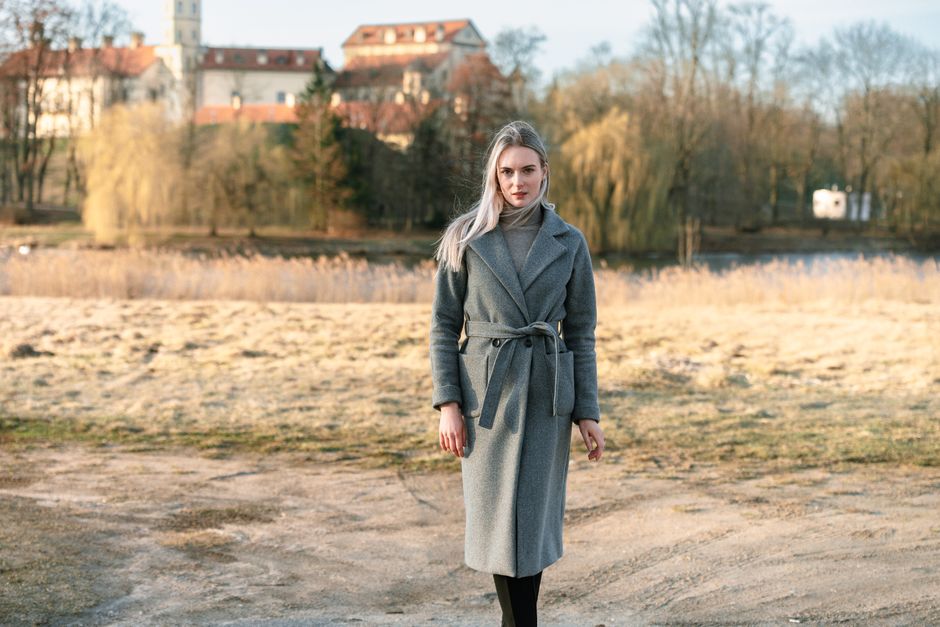
The strongest options are not interchangeable. Each shape solves a different problem: denim adds structure, an overshirt adds ease, a waxed jacket handles weather, and a short bomber controls volume. The right pick depends on the outfit failure you are trying to prevent.
For a polished dress and casual jeans: choose denim
The Levi’s Original Trucker Jacket is the safest reference point because its 100% cotton construction, slim shape, and deep inside pockets keep the silhouette familiar. A medium or dark wash looks sharp over a floral midi dress and still works with black or ecru jeans. The exclusion is clear: stiff denim does not layer well over a sweater-sleeve dress. If your dresses have puff sleeves, choose a looser trucker or size up for 3 to 5 centimetres of extra chest room.
For relaxed outfits: choose an overshirt
The COS Cotton Zipped Overshirt gives a cleaner version of the shirt-jacket idea. Its cotton shell, relaxed fit, zipper closure, and listed back length of about 26.97 inches make it practical over a tank dress and straight-leg jeans. It is the better choice for people who dislike a sharp denim contrast. The tradeoff is weather protection: cotton handles a cool breeze but does not seal out sustained rain.
For rain-prone commutes: choose waxed cotton
Its waxed cotton surface gives stronger resistance to light rain and wind than plain cotton. It looks especially good with a simple knit dress, ankle boots, and straight jeans. It is not fully waterproof, and the waxed finish can feel warm indoors. My verdict is specific: choose the Levi’s Original Trucker for maximum outfit range, the COS Cotton Zipped Overshirt for a softer modern shape, and the Barbour Beadnell when May weather matters more than budget.
When should you skip the usual transitional jacket?

Skip the purchase if the jacket solves a styling problem you do not actually have. A denim jacket is not automatically useful, a waxed jacket is not automatically rainproof, and a cropped bomber is not automatically flattering. The correct alternative may be a cardigan, a trench, or no extra layer at all.
Skip denim when the wardrobe is already rigid
If your jeans, shoes, and bags already use heavy blue denim, another structured denim layer can make the outfit look hard and repetitive. Choose a soft cotton overshirt or a fine-gauge cardigan instead. This is especially true for romantic dresses with gathered sleeves, satin surfaces, or delicate straps. The softer layer keeps the dress visible.
Skip waxed cotton when you need true rain protection
A waxed jacket resists light showers, but it has exclusions: it may not have taped seams, a waterproof membrane, a hood, or a fully sealed zipper. For cycling, a long walk in heavy rain, or a wet climate, buy a real waterproof shell and accept the sportier look. There are no state-specific coverage requirements for a May jacket; the weather in your state is the actual risk assessment.
Also skip a new jacket when the fit is wrong in the shoulders. Hems can sometimes be altered. Shoulder seams, armholes, and a tight chest usually cannot be fixed without changing the whole garment. A jacket that fits only when left open is not a versatile jacket; it is a styling prop.
How do price, weather coverage, and retailer claims compare?

Use an insurance-analyst mindset when comparing outerwear, but do not borrow false authority. AM Best ratings and J.D. Power scores evaluate insurers and customer service, not jacket quality. For clothing, inspect the actual fabric, seams, lining, care rules, and return terms. Prices vary by country, retailer, sale timing, and individual fit needs. Insurance premiums vary by state and individual factors; jacket prices are not insurance premiums, even when a brand uses words such as protection or performance.
What should count as an exclusion?
Read product claims narrowly. Light rain resistance does not mean waterproof. A cotton shell does not mean windproof. A removable hood does not mean the face and neck are protected. A jacket can be excellent at blocking a breeze and still fail in a downpour. Write down the actual use case before paying: office commute, outdoor dinner, school run, or weekend travel.
How should you compare prices?
Get multiple quotes from retailers for the same model and color, then compare the final price after shipping, tax, return fees, and alteration costs. Those figures can change with sales and regional pricing, so use them as checkpoints rather than promises.
The final verdict is narrow and practical: the Levi’s Original Trucker is the strongest all-round choice for one jacket that must work with dresses and jeans; the COS overshirt wins for relaxed styling; and the Barbour Beadnell earns its higher cost only when weather resistance and long-term wear matter more than a low entry price.