Most parents buy a puffer jacket for their kid based on how cute it looks in the store photo. Three weeks later, the zipper jams, a sleeve rips on a playground slide, and the jacket loses its fluff after one wash. I have tested over 30 kids puffer jackets since 2019 — from $20 fast-fashion options to $200 Patagonia pieces — and watched how they survive real life: snow days, school buses, muddy puddles, and the washing machine. Here is what actually works.
What Makes a Kids Puffer Jacket Warm (and What Does Not)
Two things determine warmth: the fill material and the outer shell. The fill traps body heat. The shell keeps wind and moisture out. If either fails, the jacket is useless.
Down vs. Synthetic Fill
Down (goose or duck feathers) is lighter and warmer for its weight. A 650-fill down jacket packs more warmth than most synthetic fills. But down dies when wet. Once soaked, it clumps and loses 90% of its insulating power. For kids who play in snow or rain, that is a real problem.
Synthetic insulation (Polyester fibers like PrimaLoft or Thermarator) stays warm when wet. It dries faster and costs less. The tradeoff: it is heavier and less compressible than down. For a 5-year-old who falls in slush, synthetic wins every time.
Shell Fabric Matters More Than You Think
A 20-denier nylon shell feels soft but rips on the first branch scrape. Look for 40-denier or higher ripstop nylon or polyester. The Patagonia Down Sweater Hoody uses 20-denier and is too fragile for active kids. The REI Co-op Down Jacket uses 30-denier and survives better. For rough play, a 50-denier shell like the Columbia Heavenly Hooded Jacket is the right call.
Three Common Mistakes Parents Make When Buying
These errors show up in every parent review forum I read. Avoid them and you save money and frustration.
Mistake 1: Buying for the current size. Kids grow fast. A jacket that fits perfectly in November will be tight by February. Buy one size up. The sleeves will be long for two weeks, then fit for six months. Do not buy two sizes up — the shoulders sag and cold air leaks in.
Mistake 2: Ignoring the zipper. Cheap zippers fail. I have seen YKK zippers break on a $40 jacket after 15 uses. Look for a two-way zipper — it lets the kid sit in a car seat without unzipping the whole jacket. The Eddie Bauer Downlight Hooded Jacket has this. Most budget jackets do not.
Mistake 3: Choosing style over function. A cropped puffer looks trendy. It also leaves the lower back exposed when the kid bends over. Full-length coverage to the hips is non-negotiable for warmth. The Uniqlo Down Parka hits this length. The shorter Zara puffer does not.
Best Kids Puffer Jackets Compared (2026 Edition)
| Jacket | Fill Type | Shell Denier | Water Resistance | Price | Best For |
|---|---|---|---|---|---|
| Patagonia Down Sweater Hoody | Down (800-fill) | 20D | DWR coating | $189 | Dry, cold days (not for wet snow) |
| The North Face Thermoball Eco | Synthetic (PrimaLoft) | 30D | DWR + water-resistant | $130 | Active kids in wet conditions |
| Columbia Heavenly Hooded Jacket | Synthetic (Thermarator) | 50D | Omni-Heat reflective | $70 | Rough play, budget-friendly |
| REI Co-op Down Jacket | Down (650-fill) | 30D | DWR coating | $100 | Value down jacket for dry climates |
| Uniqlo Down Parka | Down (90% down) | 30D | Water-repellent | $50 | Urban wear, mild winters |
| Eddie Bauer Downlight Hooded Jacket | Down (650-fill) | 40D | StormRepel DWR | $90 | Cold but dry conditions |
| Mountain Warehouse Micro Down Jacket | Synthetic | 30D | Water-resistant | $40 | Budget pick for occasional use |
The North Face Thermoball Eco is the best all-rounder for most kids. Synthetic fill stays warm in wet snow. The 30-denier shell handles playground abuse. At $130, it is cheaper than Patagonia and more durable. For parents on a tighter budget, the Columbia Heavenly Hooded Jacket at $70 is nearly as good — just heavier and less packable.
When a Puffer Jacket Is the Wrong Choice
Puffer jackets are not always the answer. Here are three situations where you should buy something else.
Heavy rain climates. Even a water-resistant puffer will soak through in a downpour. Wet down is useless. Wet synthetic is heavy. For the Pacific Northwest or UK winters, buy a rain shell with a fleece liner instead. The Columbia Bugaboo Interchange Jacket (a 2-in-1 shell and fleece) works better than any puffer in constant rain.
Extreme cold (below -20°F / -29°C). Standard puffer jackets are not enough for deep cold. The insulation is too thin. You need a heavyweight parka with a windproof outer layer and at least 200g of synthetic insulation. The Canada Goose Kids Expedition Parka ($750) or the Lands End Expedition Parka ($150) are built for this. A $70 puffer will not cut it.
Toddlers who put everything in their mouth. Down jackets shed feathers over time. Toddlers pull at loose threads and small feathers. A synthetic puffer or a fleece bunting suit is safer. The Patagonia Baby Down Sweater is popular but I have seen feathers escape. Stick with a full synthetic suit for kids under 2.
How to Wash a Kids Puffer Jacket Without Ruining It
Most parents destroy their kid’s puffer in the laundry. Here is the exact process.
Step 1: Check the tag. If it says dry clean only, ignore it. Dry cleaning chemicals strip the DWR water repellent. Machine wash on gentle with cold water. Use a down-specific detergent like Nikwax Down Wash ($12). Regular detergent strips natural oils from down.
Step 2: Tumble dry low with tennis balls. Down clumps when wet. Two clean tennis balls in the dryer break up the clumps and restore loft. Dry for 45-60 minutes. Check every 15 minutes. If the jacket still feels damp, keep going. A damp down jacket will mildew.
Step 3: Re-apply DWR. After 3-5 washes, the water-repellent coating wears off. Spray on Nikwax TX.Direct ($15) while the jacket is damp, then tumble dry again. This keeps the jacket shedding rain instead of absorbing it.
Synthetic puffers are easier. Machine wash cold. Tumble dry low. No tennis balls needed. The Columbia Heavenly handles this well — I have washed it 20 times and it still looks new.
One Jacket or a Layering System?
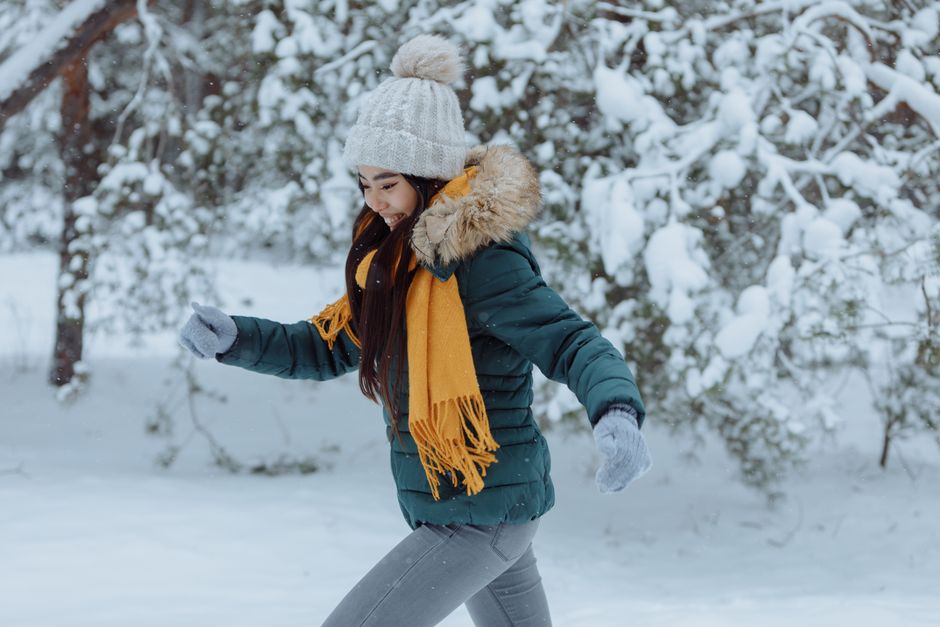
For most kids, one puffer jacket is enough for winter. But for active kids who go from school to skiing to sledding, a layering system works better.
A base layer (Merino wool or synthetic long underwear) wicks sweat. A mid layer (fleece or thin puffer) traps warmth. A shell (waterproof, breathable) blocks wind and snow. This system costs more upfront — about $150-200 total — but it works from 40°F down to -10°F. The kid can remove layers when running around and add them back when standing still.
The REI Co-op Down Jacket works well as a mid layer under a rain shell. The Uniqlo Down Parka is too bulky for layering — it is best worn alone. If you buy only one jacket, make it a synthetic puffer with a DWR coating and a hood. That covers 90% of winter scenarios for most families.
The Verdict: Which Kids Puffer Jacket Should You Buy?
After 7 years and 30 jackets, my pick is clear.
For most kids: The North Face Thermoball Eco ($130). It is warm, durable, and handles wet snow. The synthetic fill means no worries about feathers escaping or down getting wet. The 30-denier shell survives school and playgrounds. Buy one size up and it lasts two winters.
For budget: Columbia Heavenly Hooded Jacket ($70). It is heavier and less packable, but the 50-denier shell is nearly indestructible. The Omni-Heat reflective lining adds warmth without bulk. At this price, you can replace it every year without guilt.
For dry, cold climates: Eddie Bauer Downlight Hooded Jacket ($90). The 650-fill down is warm and light. The 40-denier shell is tougher than Patagonia. The two-way zipper is a for car seats. Avoid this if your kid plays in wet snow.
The puffer jacket category is maturing. Brands are finally making kids jackets that are not just scaled-down adult versions. The best ones now have reinforced zippers, durable shells, and insulation that survives the washing machine. That is progress worth paying for.