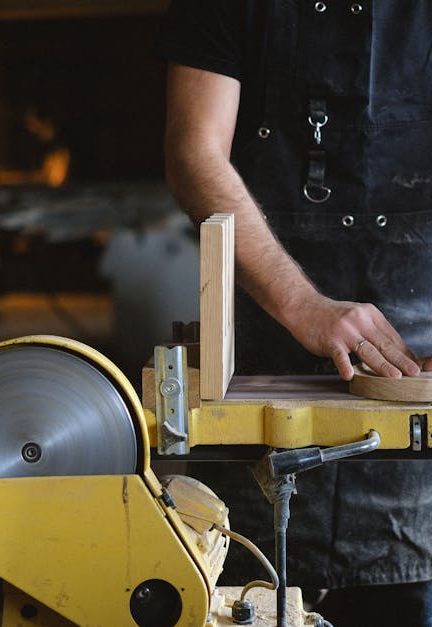
Many aspiring blade smiths mistakenly believe any old belt sander will suffice for knife making. This is a common pitfall. While a basic benchtop sander can handle minor tasks, shaping and finishing a knife blade demands specialized equipment. A true knife grinder, often still called a belt sander, is engineered for the precision, power, and durability needed to work hardened steel without damaging the tool or the workpiece. It’s not just about removing material; it’s about control, consistent results, and safety.
Why a Dedicated Knife Grinder Isn’t Just a “Sander”
The term “belt sander” can be misleading in the context of knife making. What you actually need is a belt grinder, a robust machine designed for heavy material removal and precise shaping of metal. Standard woodworking belt sanders are typically underpowered, lack essential features like variable speed control, and cannot withstand the heat and abrasion generated by grinding steel. Attempting to use a woodworking sander for serious knife work often leads to frustratingly slow progress, uneven grinds, premature belt wear, and potential damage to the machine itself. A dedicated grinder provides the rigidity, power, and specialized accessories crucial for achieving professional-grade results.
Belt Speed vs. Material Removal
One of the primary differentiators is belt speed. Woodworking sanders operate at speeds typically optimized for wood, which is far softer than steel. Knife grinders, especially those with variable speed drives, can run belts at much higher surface feet per minute (SFPM) for aggressive stock removal, or slower speeds for delicate finishing and heat-sensitive operations. Faster speeds, combined with the right abrasive belts, allow for rapid profiling and bevel grinding. Slower speeds prevent overheating, especially crucial during heat treatment or when working with exotic steels that are prone to thermal damage. Control over speed is not a luxury; it’s a necessity for various stages of knife making, from rough shaping to fine polishing.
Contact Wheel Importance
The contact wheel is another critical component often overlooked. On a general-purpose sander, the contact wheel might be an afterthought. On a knife grinder, it’s central to shaping. Different diameter contact wheels (e.g., 2-inch, 3-inch, 8-inch, 10-inch) allow for grinding different radius curves on the blade. A smaller wheel creates tighter radii, essential for finger choils or intricate blade designs. Larger wheels produce broader, sweeping curves, ideal for the main belly of many blades. Quality grinders feature hardened, balanced contact wheels that can withstand intense pressure and heat without deforming or vibrating. Some setups even allow for quick changes between various wheel sizes, expanding the grinder’s versatility significantly.
Tool Rest and Platen Adjustments
Precision in knife making relies heavily on stable work support. Dedicated knife grinders feature robust, adjustable tool rests that can be positioned precisely relative to the grinding surface, whether it’s the platen or a contact wheel. This stability is for consistent bevels and accurate profiling. The platen—the flat grinding surface—is also crucial. High-quality grinders often use ceramic platens or have replaceable hardened steel platens, which resist wear and dissipate heat more effectively than typical aluminum or soft steel platens found on cheaper machines. The ability to quickly adjust or remove the platen to switch between flat grinding and slack belt grinding (where the belt runs unsupported for convex grinds) is a hallmark of a versatile knife grinder.
Understanding Critical Belt Sander Specifications
-
Belt Size: The most common and versatile belt size for knife making is 2×72 inches. This size offers excellent stability, a wide range of available abrasive belts, and sufficient surface area for cooling during grinding. While 1×30 inch or 2×48 inch grinders exist and can be starting points, their smaller belts wear out faster, heat up more quickly, and limit the range of available specialized abrasives. For serious work, the 2×72 format is the industry standard.
-
Motor Horsepower (HP): Look for a motor with at least 1.5 HP, with 2 HP being ideal for sustained, heavy grinding. Undersized motors bog down under pressure, leading to inconsistent grinds and frustration. Three-phase motors are often preferred for their smoother operation and efficiency, but a good single-phase motor with a variable frequency drive (VFD) can provide comparable performance and variable speed control in a home workshop setting.
-
Variable Speed Control: This is arguably the single most important feature. A variable frequency drive (VFD) connected to a three-phase motor (or a specialized DC motor for smaller units) allows precise adjustment of the belt speed. You need high speeds (up to 7,200 SFPM) for aggressive stock removal and shaping, and slow speeds (down to 500-1000 SFPM) for delicate finish work, handle shaping, and heat-sensitive materials. Without variable speed, you risk overheating the blade, burning the handle material, or struggling with fine details.
-
Contact Wheel Diameter: As mentioned, different diameters create different grinds. Common sizes include 2-inch, 3-inch, 5-inch, 8-inch, and 10-inch. A grinder that allows for easy swapping of contact wheels or comes with a selection is highly advantageous. An 8-inch wheel is a good all-around size for many blade profiles, while smaller wheels are essential for recurves or tight radii. Some setups include a small wheel attachment for very intricate work.
-
Platen Material: A durable platen is crucial for flat grinding. Ceramic platens are excellent for heat dissipation and wear resistance, often backed by graphite. Hardened steel is also common. Ensure the platen is flat, sturdy, and ideally easily replaceable. Some advanced grinders allow the platen to tilt or articulate for specialized grinding techniques.
Horizontal vs. Vertical Grinding Orientation: Which Is Right For You?
Belt grinders come in various orientations, primarily vertical or horizontal, or units that can tilt between both. Each has distinct advantages for knife making.
| Feature | Vertical Grinder | Horizontal Grinder |
|---|---|---|
| Visibility | Excellent visibility of the grind area, especially when working on the platen or contact wheel. | Good visibility, but grinding fluid or debris can obscure the work more easily. |
| Control & Stability | Gravity assists in holding the blade against the work rest, offering good control for bevels. | Excellent for long, flat grinds, especially if using a jig. Gravity works with the material. |
| Dust/Debris Management | Easier to direct dust downwards into a collection system. | Can spray dust or sparks upwards and outwards; requires more robust guarding and collection. |
| Versatility | Most common for general knife making, versatile for profiling, bevels, and handle shaping. | Often favored for initial stock removal, long flat grinds, and some handle work. Less common as a primary knife grinder. |
| Footprint | Generally has a smaller footprint for a given capability. | Can have a larger, longer footprint, especially with longer belts. |
Most knife makers, particularly those starting out, gravitate towards a vertical orientation or a tilting grinder that can switch between vertical and horizontal. The vertical setup provides superior visibility of the cutting edge and offers better ergonomics for many types of grinding, particularly when freehanding bevels or working on complex profiles. Horizontal grinders excel at achieving very long, flat, and consistent grinds, often with the aid of jigs. For maximum versatility, a machine that can quickly switch between orientations, or even tilt at various angles, is the most practical choice, allowing you to adapt to different tasks and blade geometries.
Essential Features Beyond Just Power

Why is a good work rest important?
A well-designed, sturdy work rest is non-negotiable. It provides a stable platform to support your blade during grinding, which is crucial for achieving consistent angles and preventing dangerous kickbacks. Look for a work rest that is easily adjustable for height and angle, and robust enough to handle the pressure without flexing. Some advanced rests include micro-adjustments for extreme precision. Without a stable rest, achieving symmetrical bevels and clean lines becomes incredibly difficult, leading to wasted time and material.
What about dust collection?
Grinding metal, especially hardened steel, produces a significant amount of metal dust and abrasive particles. Inhaling these can cause serious respiratory problems. Therefore, a robust dust collection system is not just an accessory; it’s a safety imperative. Look for grinders with integrated dust ports or designs that allow for easy connection to an external dust collector. Some setups incorporate water cooling or spark arrestors, especially for larger production environments. For the home shop, a dedicated wet/dry vac with a HEPA filter or a cyclone dust separator is a minimum requirement. Never grind without adequate dust control.
Should I look for a tilting head?
A tilting head or an articulated arm allows the grinding head to change its angle relative to the base. This feature significantly enhances versatility. You can switch from vertical to horizontal grinding, or even to intermediate angles, without having to reposition the entire machine. This is particularly useful for certain types of handle shaping, sharpening jigs, or when you need to grind at an awkward angle for specific blade geometry. While not strictly essential for a beginner, a tilting head expands the range of tasks your grinder can comfortably handle and improves ergonomics for various operations, reducing fatigue.
Top Brands Known for Knife Making Grinders
For serious knife makers, brands like Bader, Beaumont Metal Works, and Kalamazoo Industries are the benchmark. These companies have earned their reputation by producing heavy-duty, reliable, and highly capable grinders specifically designed for metalworking and knife making. They are an investment, but one that pays dividends in performance, longevity, and the quality of your work.
Bader’s Legacy
Bader grinders, particularly models like the venerable Bader BIII, are synonymous with quality and durability in the knife making community. They are known for their robust construction, powerful motors, and excellent engineering that allows for precise adjustments and consistent performance. While often considered high-end, their longevity and capability make them a staple in many professional shops. They offer a wide range of accessories and attachments, further enhancing their versatility.
Beaumont’s Modularity
Beaumont Metal Works, especially with their KMG (Knife Maker’s Grinder) series, has set a high standard for modularity and performance. The KMG platform allows users to easily swap out accessories like different contact wheels, platens, and small wheel attachments, making it incredibly adaptable to various grinding tasks. Their designs focus on rigidity and precision, and they are favored by many for their ability to deliver consistent, high-quality grinds. The KMG machines are a popular choice for their balance of power, versatility, and user-friendliness.
Kalamazoo’s Durability
Kalamazoo Industries has a long history of producing industrial-grade abrasive machinery, and their belt grinders, such as the Kalamazoo 2FS, are built to last. These machines are known for their rugged construction and straightforward, dependable operation. While perhaps less modular than some custom-built knife grinders, their industrial heritage means they are designed for continuous use and can handle the demands of extensive metal removal without faltering. They represent a solid, no-nonsense choice for a reliable workhorse grinder.
Budget-Friendly Options and What to Compromise
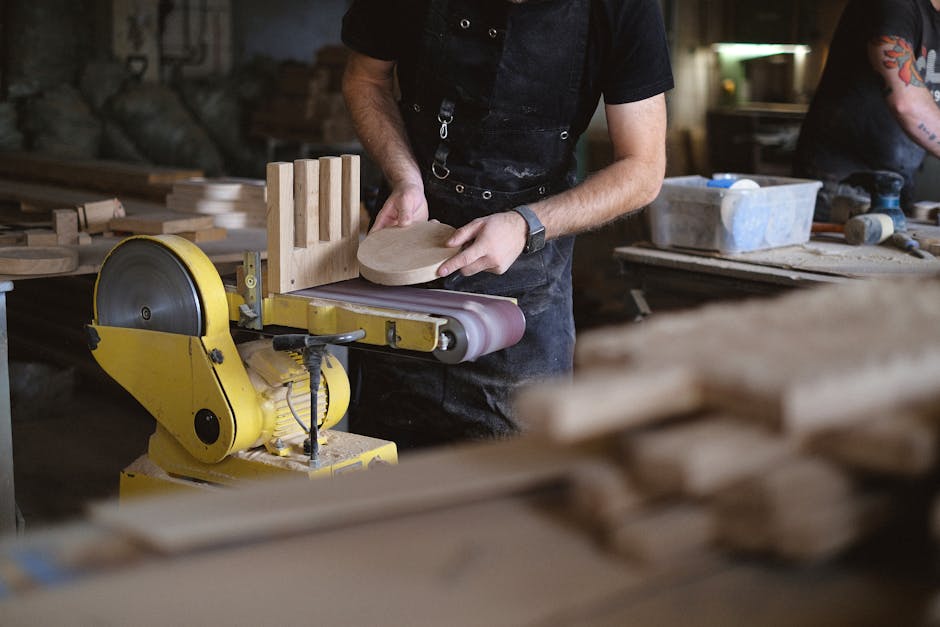
Starting with a dedicated, top-tier knife grinder can be a significant financial hurdle for newcomers. If your budget is tight, a modified 1×30 inch belt sander or a robust 2×48 inch model from brands like Grizzly Industrial or Shop Fox can get you started. Understand that these options will likely require modifications for better tool rests, potentially limit your belt selection, and may struggle with prolonged heavy grinding. You’ll compromise on power, longevity, and some advanced features like easy wheel changes or optimal dust collection, but they provide a valuable entry point.
Setting Up Your Workspace for Safety and Efficiency
Acquiring the right grinder is only half the battle; setting up your workspace properly ensures both safety and efficiency. This goes beyond just plugging it in. It involves thoughtful placement, proper ventilation, and the use of supporting tools that make the grinding process smoother and safer. Ignoring these elements can lead to frustrating mistakes, slower progress, and, most importantly, serious injury.
Mandatory Dust Control Systems
As touched on earlier, metal dust and abrasive particles are a significant health hazard. Your grinder must be paired with an effective dust collection system. Position the grinder so its dust port (if it has one) is easily accessible for connection, or construct a shroud to direct debris into a collector. A cyclone separator placed before your shop vacuum or dust collector will dramatically extend the life of your filters by separating heavier metal particles. Always wear a N95 respirator or better when grinding, even with a dust collector running. Grinding sparks can also ignite dust, so ensure your collection system is designed for metalworking, or use a water trap for extreme safety.
Proper Lighting for Detail Work
Good lighting is absolutely essential for precision grinding. You need bright, focused illumination directly on the grinding surface to clearly see your lines, bevels, and the interaction of the belt with the steel. Overhead shop lights are a start, but a flexible, adjustable task lamp positioned near the grinder is invaluable. LED task lights are excellent for this, providing bright, cool light that won’t distort colors or create excessive shadows. Being able to clearly see the subtleties of your grind will help you catch mistakes early and achieve the clean, crisp lines that define a quality knife.
Using Jigs for Consistent Grinds
While many experienced knife makers freehand their bevels, beginners will greatly benefit from using grinding jigs. These tools hold the blade at a consistent angle to the belt, ensuring symmetrical bevels and preventing uneven grinds. Common types include simple angle jigs or more complex sliding jigs. Incorporate a jig into your workflow, especially for critical steps like establishing primary bevels. Learning to grind with a jig builds muscle memory and helps you understand how different angles and pressures affect the grind, providing a solid foundation before attempting freehand work. Remember, the goal is consistent, repeatable results, and a good jig is a powerful aid in achieving that.