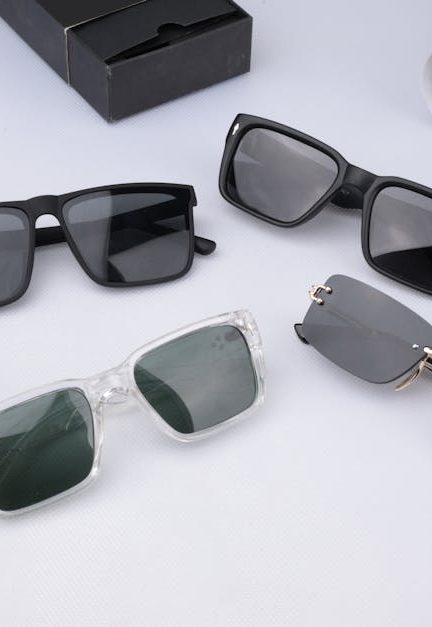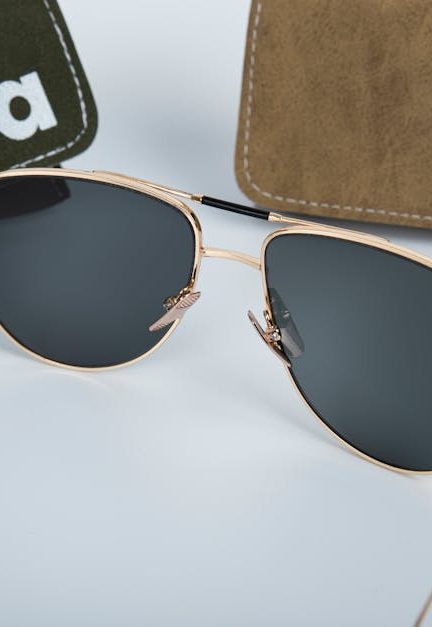
Your favorite sunglasses are more than just an accessory. They are a statement, a necessary shield from the sun, and often a significant investment. Scratched lenses, bent frames, or worse—a broken pair—are frustrating and costly. Protecting them isn’t optional; it’s essential. The right sunglasses case makes all the difference.
Most sunglasses come with a basic pouch or a standard rigid case. These are often insufficient for daily wear and tear or travel. A superior case does more than just hold your glasses. It actively safeguards them against impacts, abrasions, and crushing forces. Choosing the best case means understanding the threats your eyewear faces and selecting a guardian designed to withstand them. This guide cuts through the noise, detailing exactly what to look for.
Why Your Sunglasses Need More Than Just a Pouch
Many people toss their sunglasses into a bag, relying on the flimsy pouch provided or, worse, nothing at all. This casual approach invites damage. Keys, phones, water bottles, and other everyday items become abrasive threats, ready to scratch delicate lenses or bend lightweight frames. A dedicated, high-quality case acts as a personal bodyguard for your eyewear, ensuring longevity and maintaining pristine condition.
Think about the typical lifecycle of sunglasses. They are worn, removed, placed on a table, dropped in a bag, or stored in a car console. Each action carries a risk. A cheap, soft pouch offers minimal impact protection. It might prevent surface scratches from minor contact, but it won’t stop a heavy object from crushing the frames or a sharp item from piercing the lens. A proper case provides structural integrity, resisting external pressures and isolating your glasses from potential hazards. This is particularly true for premium lenses with specialized coatings, which are often more susceptible to damage.
Understanding Common Damage Risks
Sunglasses face several primary damage risks daily. First, abrasion from loose items in bags can cause superficial scratches on lenses and frames. These tiny marks accumulate, eventually impairing vision and diminishing the aesthetic appeal. Second, impact damage occurs when glasses are dropped or hit against hard surfaces. This can lead to chipped lenses, broken hinges, or bent temples. Third, crushing pressure from heavy books, laptops, or even sitting on them accidentally is a common culprit for irreparable frame distortion or shattering lenses. Lastly, exposure to extreme temperatures or harsh chemicals, though less frequent, can also degrade frame materials and lens coatings. A well-designed case mitigates these risks directly.
The Cost of Neglect
Replacing a good pair of sunglasses can range from $100 to over $500, depending on the brand and lens technology. Prescription sunglasses are even more expensive. Consider the cost-effectiveness: a high-quality case typically costs between $15 and $40. This small investment pales in comparison to the price of a new pair. It’s not just about money, though. It’s also about convenience. Nobody wants to be without their favorite shades, especially on a bright day. A damaged pair means a trip to the optometrist or a scramble to find a replacement. Proactive protection ensures your investment lasts, saving both money and hassle in the long run.
Understanding Different Types of Sunglasses Cases

Sunglasses cases come in various forms, each designed with specific protection levels and user convenience in mind. Knowing these types helps narrow down the best choice for your lifestyle and the value of your eyewear. From minimalist pouches to robust travel vaults, the options are plentiful. The material and construction are key determinants of a case’s effectiveness.
- Soft Pouches/Bags: These are typically made from microfiber, felt, or thin neoprene. They offer basic scratch protection and keep dust away. Most sunglasses include one of these. They are lightweight and take up minimal space. However, they provide almost no protection against crushing or impact. They are best for storing glasses inside another bag that already has structural integrity, like a padded camera bag, or for simply wiping lenses.
- Semi-Rigid Cases: These cases strike a balance between hard and soft. Often made from EVA foam (ethylene-vinyl acetate) or a similar dense, yet flexible material, they offer better impact absorption than soft pouches. They usually feature a zippered clamshell design that holds its shape, protecting against minor bumps and some compression. They are lighter than fully hard cases and often more affordable.
- Hard Shell Cases: Constructed from rigid materials like plastic, metal, or thick leather with an internal frame, these cases provide the highest level of protection against crushing and significant impacts. They are ideal for expensive eyewear or for situations where maximum durability is required, such as travel or outdoor activities. Many premium sunglasses, like those from Ray-Ban or Oakley, come with a sturdy hard case.
- Folio/Multi-Pair Cases: Designed for collectors or travelers who carry multiple pairs, these cases resemble a small book or box. They typically feature individual slots or compartments, often lined, to secure several pairs of glasses. They can be hard-shelled for ultimate protection or softer, travel-friendly options for organized storage.
Material Matters for Durability
The material of a sunglasses case directly impacts its protective capabilities and longevity. EVA hard shell cases are popular for their balance of rigidity, light weight, and impact absorption. They resist compression well without being overly bulky. For ultimate elegance and durability, genuine leather cases offer a timeless aesthetic and robust protection, often developing a rich patina over time. Neoprene, frequently used in soft pouches, is water-resistant and offers some padding. Inside, a soft microfiber lining is crucial. This lining prevents scratches and can even help clean lenses as glasses are inserted or removed. Avoid cases with rough interior textures or loose stitching, which can ironically damage the very lenses they are meant to protect.
Design and Closure Mechanisms
Beyond the material, the design and closure mechanism of a case play a vital role. A zippered closure, common on semi-rigid and hard cases, provides a secure seal, preventing accidental opening and keeping dust out. Magnetic closures offer convenience for quick access but might not be as secure against accidental bumps. Snap closures are also common, providing a firm hold. The internal design often includes a molded shape to cradle the glasses, or a simple open compartment. Some cases include a small cleaning cloth or a loop for attaching to a belt or bag. Consider how you will use the case and choose a closure that matches your need for security versus quick access.
Key Features That Define a Superior Case
Choosing a sunglasses case involves more than just picking a color or a basic type. A truly superior case incorporates specific features that enhance protection, usability, and longevity. These elements ensure your eyewear remains safe, accessible, and in pristine condition, no matter where your day takes you. Focus on these details to make an informed decision.
Exceptional Crush Resistance
The primary function of a high-quality sunglasses case is to prevent crushing. This means the case itself must be rigid enough to withstand external pressure without deforming and damaging the contents. Look for cases made from stiff materials like reinforced plastic, metal, or high-density EVA foam. Test its rigidity; if you can easily compress it with your hands, it won’t offer much protection against a heavier object in a packed bag. A good case will have a strong, unyielding shell that distributes pressure evenly, preventing direct force on the frames or lenses. This crush resistance is non-negotiable for expensive or delicate eyewear, especially if you frequently travel or carry your glasses in a crowded bag.
Interior Protection and Padding
While the exterior protects against crushing, the interior safeguards against scratches and vibrations. A soft, non-abrasive interior lining is . Microfiber lining is the gold standard; it not only cushions the glasses but can also gently clean the lenses as they slide in and out. Avoid cases with rough fabrics, exposed stitching, or hard plastic nubs inside. Some premium cases feature molded inserts that perfectly cradle specific sunglass shapes, preventing movement and rattling. This internal stability is crucial for delicate frames and sophisticated lens coatings. The padding should be thick enough to absorb minor shocks, but not so bulky that it makes the case unnecessarily large. A secure fit, where the sunglasses don’t shift excessively, is a sign of good interior design.
Portability and Attachment Options
The best case is one you’ll actually use. This means considering its size, weight, and how easily it integrates into your daily routine. A bulky case, no matter how protective, might get left behind. Look for a balance between robust protection and reasonable portability. Dimensions are key: measure your sunglasses at their widest and longest points (including temple length when folded) to ensure a snug fit without wasted space. Many cases offer external features like carabiner clips or belt loops, making them easy to attach to a backpack, belt, or purse strap. This prevents them from getting lost at the bottom of a bag and ensures quick access. A lightweight design, particularly for hard cases, is also a significant advantage, reducing the overall load you carry. Some cases even incorporate a slim profile to slide easily into a jacket pocket without creating an unsightly bulge.
Hard Shell vs. Soft Pouch: A Direct Comparison

The choice between a hard shell case and a soft pouch often comes down to balancing protection with convenience. Each has distinct advantages and disadvantages. Understanding these differences helps you select the optimal solution for your specific needs and the environment your sunglasses frequent. It is not always about choosing the “better” one, but the “right” one for the situation.
| Feature | Hard Shell Case | Soft Pouch (e.g., Neoprene) |
|---|---|---|
| Impact Protection | Excellent. Resists drops, bumps, and crushing forces. Often features rigid frame. | Minimal. Protects against surface scratches only. No impact absorption. |
| Scratch Prevention | Very good. Soft interior lining isolates lenses from exterior. | Good. Microfiber material keeps lenses clean and prevents minor scratches. |
| Portability | Moderate to Low. Can be bulky and heavier. Takes up fixed space. | High. Lightweight, flexible, and can be easily folded or tucked away. |
| Durability | High. Built to last, often made from robust plastics, metals, or reinforced leather. | Moderate. Materials like microfiber or neoprene can wear over time, less resistant to tears. |
| Cost | Higher. Typically ranges from $15-$40+ for quality options. | Lower. Often included with sunglasses; standalone pouches are $5-$15. |
| Ideal Use Case | Travel, outdoor sports, crowded bags, expensive eyewear. | Light daily use, secondary protection inside a larger bag, lens cleaning. |
For most users with mid to high-end sunglasses, a hard shell case is the unequivocally superior choice for primary protection. Its ability to absorb impacts and prevent crushing is unmatched. A soft pouch still has its place, particularly as a secondary layer of protection inside a hard case or for quick lens cleaning. However, it should never be solely relied upon for safeguarding delicate frames or lenses against significant physical threats. If you are prone to dropping things or have a bag that gets tossed around, invest in a robust hard case. The peace of mind alone is worth the slight increase in bulk and cost.
Hybrid Options and Their Advantages
Some cases blur the lines, offering a hybrid approach. These often feature a semi-rigid construction, combining the lightweight flexibility of a soft case with improved structural integrity. Materials like thick neoprene with a reinforced front panel, or high-density EVA foam, fit this description. They offer better impact protection than a simple pouch but are less rigid than a full hard shell. These can be a good compromise for those who want more protection than a pouch but find traditional hard cases too bulky. They are often zippered, offering secure closure and a soft interior. Consider these if your lifestyle requires a balance of moderate protection and high portability, perhaps for glasses carried in a moderately packed messenger bag or backpack.
Our Top Picks for Everyday Protection and Travel
Selecting the right sunglasses case boils down to specific use cases. Based on rigorous criteria covering material, design, crush resistance, and interior protection, we recommend distinct options for varying needs. Forget generic solutions; targeted protection is key.
Best All-Around Hard Case: The OptiPlix EVA Hard Shell Case
For most users, the OptiPlix EVA Hard Shell Case offers the best balance of protection and practicality. It features a durable, EVA hard shell exterior that resists crushing remarkably well, even under significant weight. The interior is lined with a soft microfiber lining, ensuring lenses remain scratch-free. Its zippered clamshell design is secure and keeps dust out effectively. Measuring approximately 6.5 x 3 x 2.5 inches, it accommodates most standard and oversized sunglasses, including many popular Ray-Ban Wayfarer and Aviator styles. The case includes a small carabiner clip, making it convenient to attach to a bag strap or belt loop. It’s lightweight enough for daily carry but robust enough for air travel, providing excellent value for its typical price point of around $18-$25. This case is a clear winner for those seeking reliable, everyday protection without excessive bulk.
Premium Leather Choice: The Mascot Hardware Slim Leather Case
If style, tactile feel, and long-term durability are priorities, the Mascot Hardware Slim Leather Case is an outstanding choice. Crafted from genuine full-grain leather, this case offers sophisticated protection. While not as rigid as a pure hard plastic shell, the thick leather and its semi-rigid construction provide substantial protection against impacts and scratches. It’s designed with a secure snap closure that feels robust and keeps glasses firmly in place. The interior is lined with soft felt, protecting lenses. Its slim profile, around 6.3 x 2.5 x 1.8 inches, makes it perfect for slipping into a jacket pocket or a smaller purse. The leather ages beautifully, developing a unique patina over time. It represents a premium investment, typically priced between $35-$50, but offers unparalleled elegance and durable protection that discerning users will appreciate for years. It’s particularly suitable for protecting high-end designer eyewear.
Travel-Specific Option: The Oakley Large Carbon Fiber Case
For serious travelers or those carrying larger sports sunglasses, the Oakley Large Carbon Fiber Case is built for uncompromising protection. While on the pricier side (often $40-$60), its construction is designed to endure extreme conditions. The case features a robust carbon fiber pattern exterior that is incredibly durable and crush-resistant. It’s specifically molded to fit larger Oakley frames, such as the Gascan or Holbrook, but its generous internal dimensions (around 7.5 x 3.5 x 3 inches) can accommodate many oversized or wraparound sports glasses. The interior boasts a soft, protective fabric lining, and a secure zipper closure ensures glasses stay put. It’s an excellent choice for throwing into checked luggage, a gym bag, or an outdoor adventure pack where ultimate impact and crush protection are . Its rugged design ensures your most valuable sports optics remain safe, no matter the journey.
Maintaining Your Case for Long-Term Value
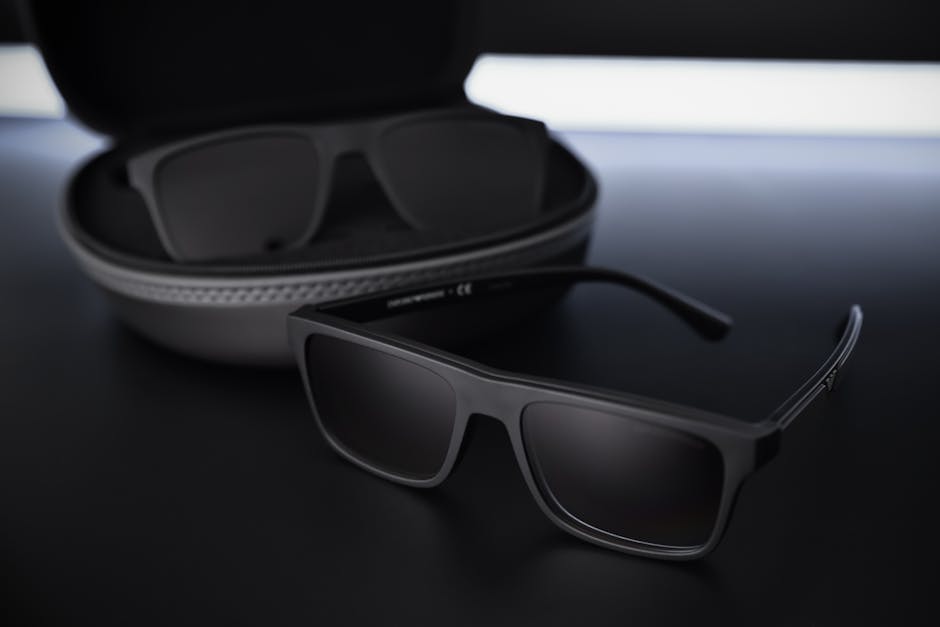
A good sunglasses case is an investment in itself, designed to protect another valuable item. Like any accessory, proper care and maintenance extend its lifespan and ensure it continues to perform its protective duties effectively. Neglecting your case can lead to internal debris that scratches lenses or degradation of the case’s protective qualities. Simple habits make a big difference.
How often should I clean my sunglasses case?
Clean your sunglasses case regularly, especially the interior. For daily use, aim for at least once a month. If you expose your case to dirt, sand, or excessive dust—like after a beach trip or hiking—clean it immediately. The goal is to prevent abrasive particles from accumulating inside, which can then transfer to your lenses and cause scratches. A quick visual check each week will also help identify any immediate cleaning needs. A clean case means clean lenses.
What’s the best way to clean different case materials?
Cleaning methods vary by material. For EVA hard shell and plastic cases, wipe the exterior with a damp cloth and mild soap, then air dry. For leather cases, use a specialized leather cleaner and conditioner to maintain its suppleness and prevent cracking; avoid harsh chemicals or excessive water. Soft pouches made of microfiber can often be hand-washed with mild soap and water, then air-dried. Always ensure the interior is completely dry before reinserting your sunglasses to prevent moisture buildup, which can foster mold or mildew. For all types, a soft brush or a vacuum cleaner with a brush attachment can remove dust and debris from internal linings.
How can I tell if my case needs replacing?
Inspect your case periodically for signs of wear and tear. Key indicators for replacement include significant cracks or punctures in hard cases, which compromise their crush resistance. If zippers no longer close securely, or snaps become loose, the case can open accidentally, exposing your glasses. For soft cases, if the lining is worn through, torn, or sheds fibers, it’s no longer providing adequate scratch protection. Any permanent deformation that prevents the case from holding its shape correctly also signals a need for replacement. If your case looks compromised, it’s not protecting your eyewear effectively, and it’s time to invest in a new one.
The Future of Eyewear Protection
Eyewear protection will continue to evolve. Expect more integration with smart technology, perhaps cases with built-in UV sensors or compact lens cleaning systems. Materials will become even lighter, stronger, and more sustainable. The core need for robust protection, however, remains timeless. Safeguarding your sunglasses will always be a smart choice.